




When the data says one thing… but the market does the opposite.


You study the numbers.You follow the headlines.You trust the logic.
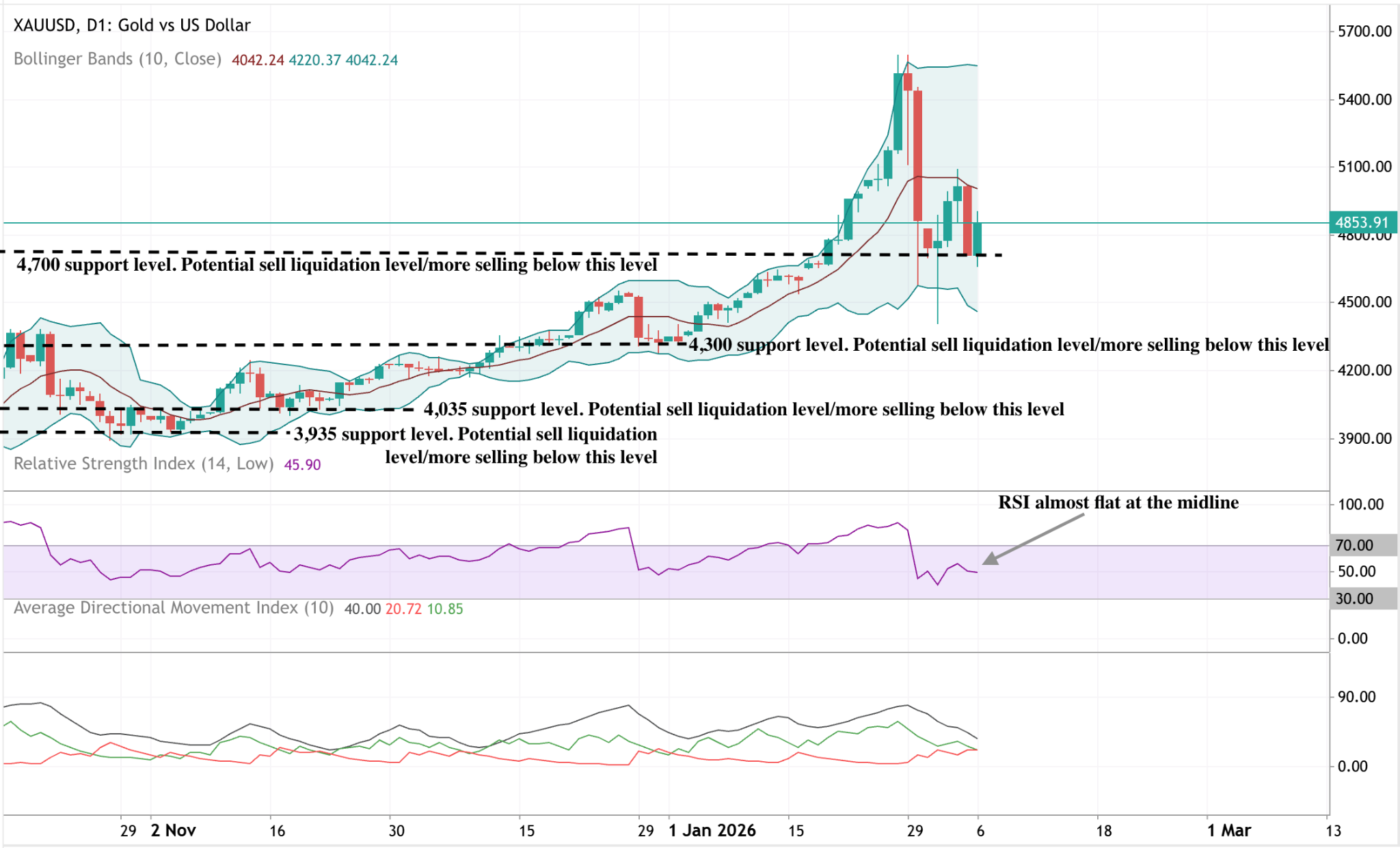
Then US jobless claims rise — a signal of economic stress — and instead of gold acting like the safe haven it’s known for… prices fall.
That moment is one of the most frustrating experiences for any trader or investor.
Because suddenly:
The cause-and-effect you relied on feels broken
The fundamentals you studied don’t seem to “work” anymore
And every decision feels like a gamble instead of a strategy
The labour market is clearly softening. Job openings are falling. Hiring is slowing.Yet gold is stuck, reacting not to the data itself — but to interest rate expectations, dollar strength, and trader positioning.
This is where many people get stuck:Do you wait for clarity and miss the move?Or act now and risk trading on noise instead of signal?
That uncertainty is mentally exhausting.It creates hesitation, second-guessing, and missed opportunities.
The real frustration isn’t that gold fell —It’s that the patterns you trusted no longer feel reliable.
And until you learn how to read what the market is really responding to,you’ll always feel one step behind the move.
If you’ve felt this, you’re not alone.
Trade with a trusted broker: www.blvcklistedfx/deriv
#deriv #gold #goldsignals #tradingstrategy

Are you a marketing manager?

It’s not that patterns become unreliable, it’s just that the trade didn’t work for us. It happens to everyone, and sometimes it goes on for a stretch. We’re taught to expect a certain reaction from data, but markets don’t have to follow that logic every time. Context and positioning often matter more than the headline itself.
The way we interpret data matters a lot here. The same news can lead to different reactions depending on positioning and expectations. Markets are dynamic, and we often assume we understand all the factors, but sometimes there are hidden drivers or shifts we did not consider, which change the outcome completely.
It really comes down to hoping for the best but preparing for the worst at the same time. You can’t rely purely on patterns or news because the market doesn’t have to react the way we expect. Managing risk and being flexible matters more. Otherwise one unexpected move is enough to throw everything off.