EBC Markets Briefing | Euro remains structurally less secure than Swiss franc

Economists warn that high inflation will stretch deep into next year. These experts are growing more anxious that broad price pressures will solidify, expanding far past the initial energy cost spikes triggered by the Middle East conflict.
While most central banks have implemented minimal or no interest rate hikes so far, further tightening remains likely if inflation continues to spread. The expectation has deepened global bond selloff.
"The inflation picture has become more complex as signs of energy pass-through into core measures are beginning to emerge," said Seth Carpenter, chief economist at Morgan Stanley.
The outlook benefits Switzerland technically by mitigating structural deflation risks. Consumer prices climbed 1% year-on-year to hit a two-year high - markedly below that of other developed economies.
Hydropower and nuclear generate more than 90% of the country's electricity, which acts as a buffer against energy supply disruption. Crude oil prices have stayed above $100 a barrel since early October.
The SNB elected to hold the interest rate steady at 0% in September. The benchmark 10-year government bond yield is trading around 0.5%, a healthy level to keep businesses active.
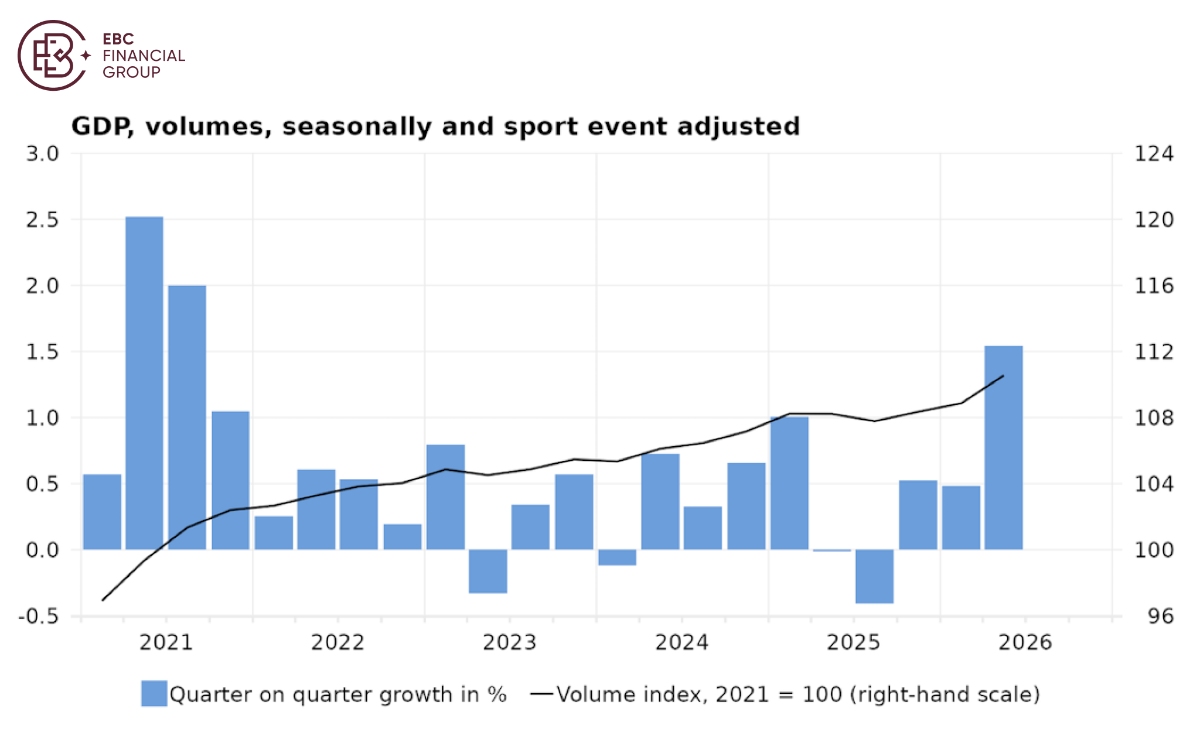
Anchored by its low level of public debt, Switzerland absorbs the financial burden of elevated interest rates effortlessly. GDP grew by 1.5% in Q2, marking the fastest expansion since Q3 2021.
Debt bomb
Escalating sovereign borrowing costs in the eurozone are reigniting concerns over a potential recurrence of the debt crisis that destabilized the bloc a decade and a half ago.
Several member states failed to repay or refinance their government debt without external assistance, with PIGS hit the most, highlighting a lack of unified fiscal policy, federal budget, or centralized mechanism.
The EU has fundamentally overhauled its financial architecture since then. Local banks reduced their domestic government bond holdings from over 50% in 2013 to 41% by mid-2026.
Though a repeat of the shock seems unlikely anytime soon, some countries are flagging alarm signals again. The spread between French and German 10-year bond yields is currently over 150 bps.
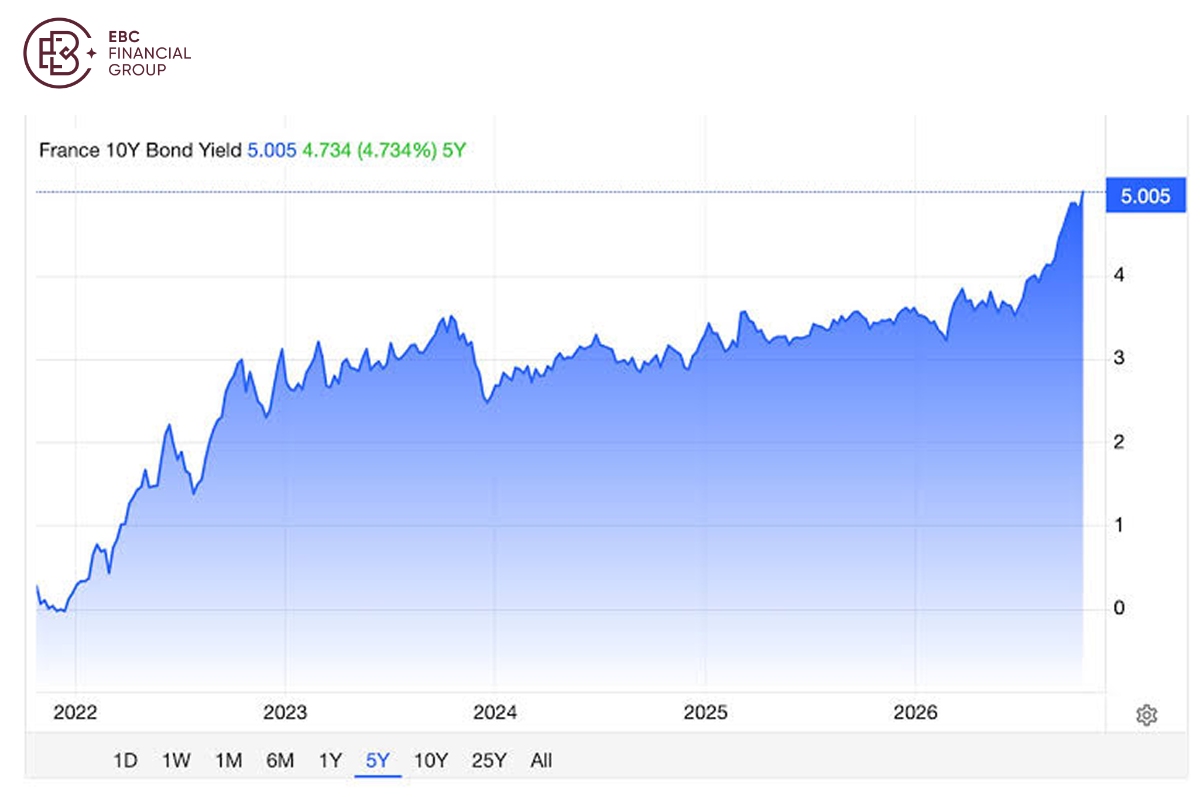
Its economy has already slowed to a crawl, contracting 0.1% in Q3 due to decreased exports. The civil unrest could further dent business confidence, especially among retailers.
The French government cut its 2026 economic growth forecast to 0.5% in September - the third downward revision this year. Meanwhile, Macron's loose grip on policymaking sparks doubts on a turnaround.
During his presidential term, the proposal to cut back on social welfare programmes stalled. As such, Paris appears completely out of options to comply with fiscal thresholds.
Separatist forces
The traditional laggards in the EU have outpaced Germany since the pandemic came to an end, narrowing the long-lasting output gaps and thereby laying a more solid foundation for capital integration.
The countries known for tourism became the primary beneficiary of massive global demand for travel and services which the immediate post-lockdown era unleashed.
However, the tide is turning as the tailwind ebbs. For instance, Spain is continuing a multi-year streak of eclipsing its neighbours, but analysts forecast a gradual, moderate slowdown in 2027.
Meanwhile, the violent street protests could fuel already rising populism. The AfD party blamed the unrest on "left-wing extremism" and "uncontrolled immigration", echoing Trump's remarks.
That political power stands against a centralised "superstate" – a prerequisite for pulling out of stagnation. In contrast to this Gordian knot, Switzerland boasts high certainties.
The Trump administration has warned Europe that a $3.4 billion loan to Airbus risks shattering the truce that resolved the WTO's longest-running dispute, potentially jeopardizing a broader US-EU trade agreement.
The Made in Europe plan under consideration, which entails higher trade barriers, would likely incur retaliation tariffs. Unless Russia/Iran capitulates, Swiss franc (EURCHF) will retain its strength over the euro.
EBC Financial Group Disclaimer: This material is for general information purposes only and is not intended as (and should not be considered to be) financial, investment or other advice on which reliance should be placed. No opinion given in the material constitutes a recommendation by EBC Global Financial Collaboration or the author that any particular investment, security, transaction or investment strategy is suitable for any specific person.


The dollar has lost momentum but not strength

EBC Markets Briefing | Euro has edge over Swiss franc and pound before storm

Low inflation in Switzerland confirms the strength of the franc

The Swiss National Bank did not dare to openly break the CHF growth trend

Switzerland may exert more pressure on the franc to bring back inflation

The euro is making its way up, breaking a long-standing trend
EBC Markets Briefing | Will euro outperform Swiss franc again in 2025?