



Bond Yields Down Stock Market Up

The recent drop in bond yields and the cautious approach taken by central banks have been viewed positively by the stock markets in the short term. However, my perspective suggests that equities will soon return to an unattractive risk-reward scenario. The Federal Reserve is expected to maintain a higher interest rate for an extended period, valuations are lofty, earnings projections are overly optimistic, pricing power is weakening, profit margins are at risk, and the slowdown in overall revenue growth is set to continue. It's challenging to distinguish between a healthy economic slowdown and the initial signs of a recession without the benefit of hindsight, making the 'bad news is good news' situation rather narrow.
While I anticipate the current economic expansion coming to an end in the next 12-18 months, I also acknowledge that this year's robust supply-side performance offers hope for a softer landing scenario. Last week, the Federal Open Market Committee (FOMC) maintained its policy stance despite a strong third-quarter GDP growth and persistent inflation. The recent uptick in bond yields played a significant role in this decision, but Chair Powell also emphasized "significant progress" in curbing inflation, largely attributed to improved supply-side performance. Consequently, the risk of an additional Fed interest rate hike has diminished, despite the expected uptick in core inflation in the fourth quarter of 2023. Softening labour market reports in the United States, Euro area, and Canada, along with disappointing global business surveys, have led rates markets to factor in a higher risk of a sharp growth slowdown.
Core inflation in the Euro area is expected to dip below 3%, while it remains relatively stable elsewhere. October's Euro area inflation figures fell short of expectations, and after accounting for distortions, core inflation is now running at a 3% annual rate. As wage growth is likely to cool in line with prices, a relaxation of Labor market conditions should contribute to a further decline in Euro area core inflation during the first half of 2024, keeping the European Central Bank (ECB) in a holding pattern. Recent downside surprises in inflation should also prompt the Norges Bank to keep interest rates unchanged in December, though the situation is less clear for the Bank of England (BoE). I expect the BoE to maintain its current stance throughout 2024, but it may be compelled to raise rates if economic growth stages a recovery alongside persistently high inflation early next year.
Developments in the United States have created an opportunity for weakness in the US dollar, but those betting against the dollar should be mindful of how long this trend may last. US exceptionalism continues to persist, especially when compared to the rest of the world, which appears to be on less stable ground than it did a year ago. While US yields could exert downward pressure on the US dollar, the markets have already factored in expectations of Federal Reserve interest rate cuts in the first half of the year, and the issue of Treasury supply remains a significant concern.
In the European natural gas sector, geopolitical risk premiums could persist due to weather-related factors. As of October 29th, natural gas storage in Northwestern Europe is nearly at full capacity, but the TTF natural gas price remains around 50 EUR/MWh. This seemingly high price reflects concerns about potential supply disruptions resulting from the escalating conflict in Israel. Weather conditions have been less extreme than anticipated so far this winter season, but the uncertainty surrounding peak weather-related demand during the winter months (December to February) may continue to support the current risk premium in flat natural gas prices.
This content may have been written by a third party. ACY makes no representation or warranty and assumes no liability as to the accuracy or completeness of the information provided, nor any loss arising from any investment based on a recommendation, forecast or other information supplied by any third-party. This content is information only, and does not constitute financial, investment or other advice on which you can rely.


Bitcoin Price Prediction: Can NFP Data Provide the Next Catalyst?

Gold’s Real Driver Is No Longer Fear, But Rate Expectations

USD/CAD Outlook: Trade Dispute, BoC and NFP Could Put Pressure on the Loonie
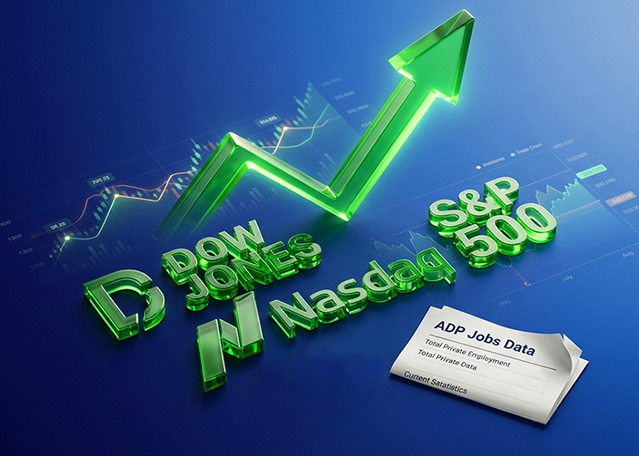
Today Fundamental Analysis: US Indices Close Higher as ADP Jobs Data Falls Short of Expectations
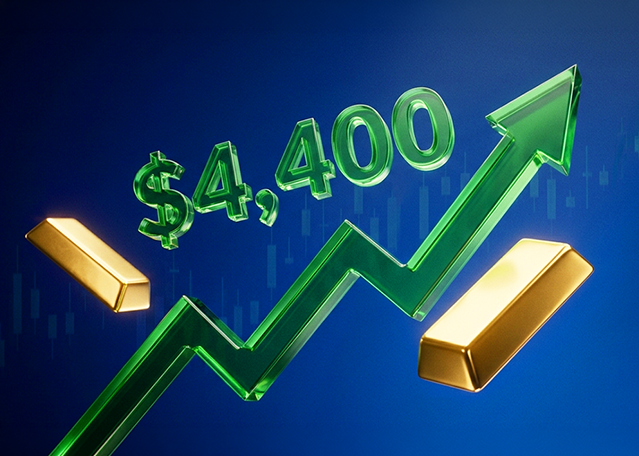
Today Technical Analysis: Gold Rallies Past $4,400, Up Over 1% on the Day

Yen extends surge, Oil slips despite tensions, stocks rebound

Gold and Oil Rise as Central Bank Signals Drive Currency Markets | 3rd September, 2026