-21420261153.png)
-21420261153.png)





Democrats' Midterm Victory Sends Dollar and Oil Lower

The Democrats' victory in the United States (US) midterm elections has reduced expectations of further escalation in the Iran conflict, weighing on the dollar and oil, while investors await the Bank of England's (BoE) latest interest-rate decision.
Market Wrap-Up: Dollar Weakens, Oil Falls for Fourth Session as Political Risks Shift
The US dollar edged lower on Thursday after Democrats secured majorities in both chambers of Congress in the US midterm elections, easing political uncertainty and raising market expectations of a lower risk of further escalation in the US-Israeli war on Iran. The result also supported global equities and US Treasuries, while lower Treasury yields added to pressure on the greenback.
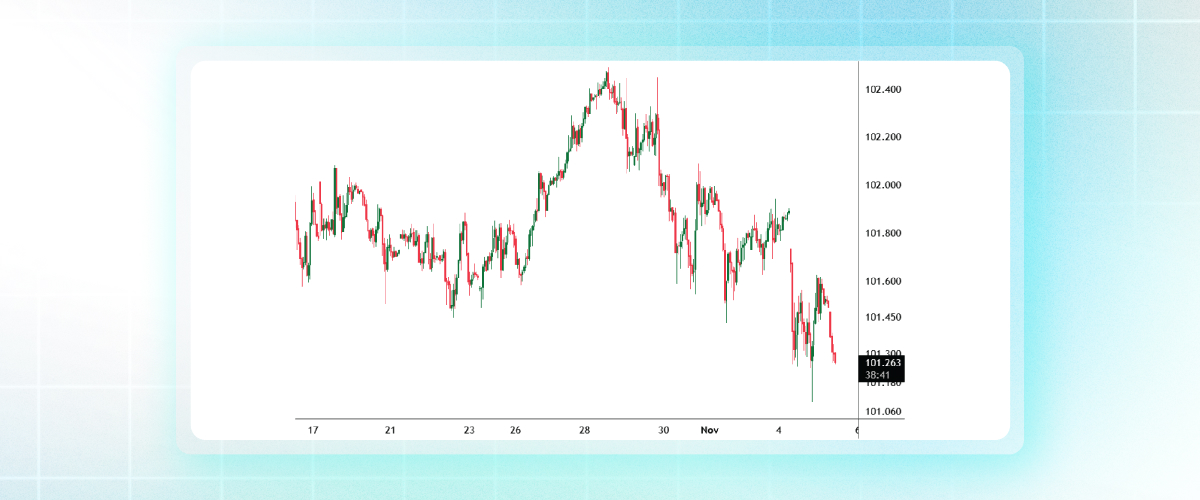
The US Dollar Index (DXY), which measures the dollar against a basket of major currencies, fell 0.06% to 101.41, extending its 0.36% decline in the previous session. The euro rose 0.12% to USD 1.1241, while the Japanese yen strengthened 0.08% to 158.25 per dollar.
Ray Attrill, head of foreign exchange (FX) strategy at National Australia Bank, said the prospect of political gridlock in Washington had reduced expectations of further US military action against Iran. He also linked the weaker dollar to lower Treasury yields following the election outcome.
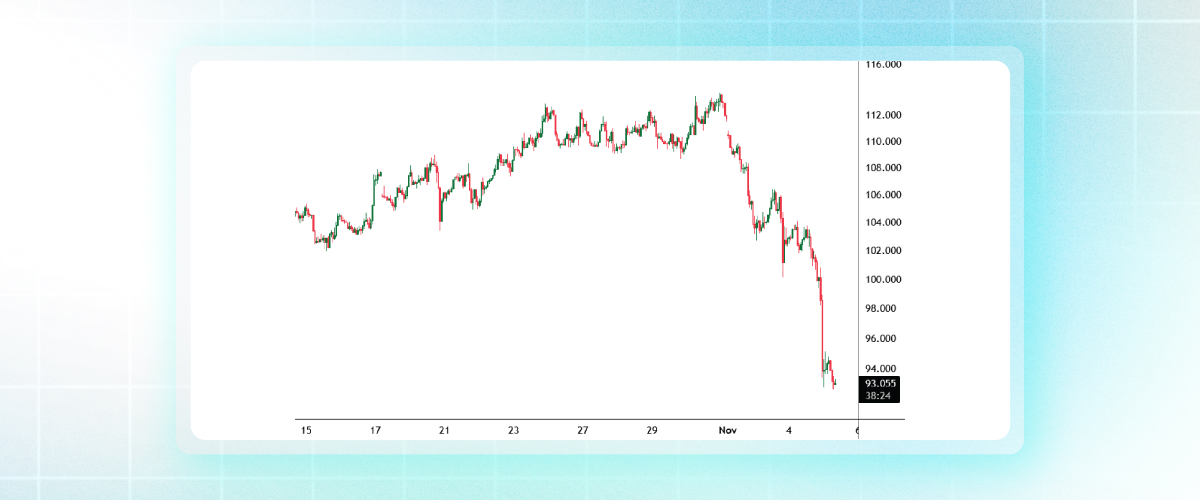
Oil prices fell for a fourth consecutive session, extending their decline amid expectations that the election result could reduce the likelihood of further escalation in the Iran conflict. Brent crude fell 1.03% to USD 93.65 a barrel, while West Texas Intermediate (WTI) declined 1.29% to USD 86.98 as of 02:11 Greenwich Mean Time (GMT) on Thursday. Both benchmarks had already tumbled by more than 8% in the previous session, settling at their lowest levels since August 31.
The prospect of a diplomatic resolution has strengthened expectations of a further recovery in Middle Eastern oil supplies. According to analysts, crude shipments through the Strait of Hormuz have already recovered to levels close to those seen before the war, although at higher costs. JPMorgan estimated that the global oil market returned to a surplus of 1.1 million barrels per day in September, widening to 1.4 million barrels per day in October.
However, the outlook for oil remains uncertain. Analysts have cautioned that geopolitical risks persist, while commercial inventories in major consuming countries are near their lowest levels in 15 years. The US Energy Information Administration also reported that crude oil, petrol, and distillate inventories all declined last week, with demand reaching its highest level in a year.
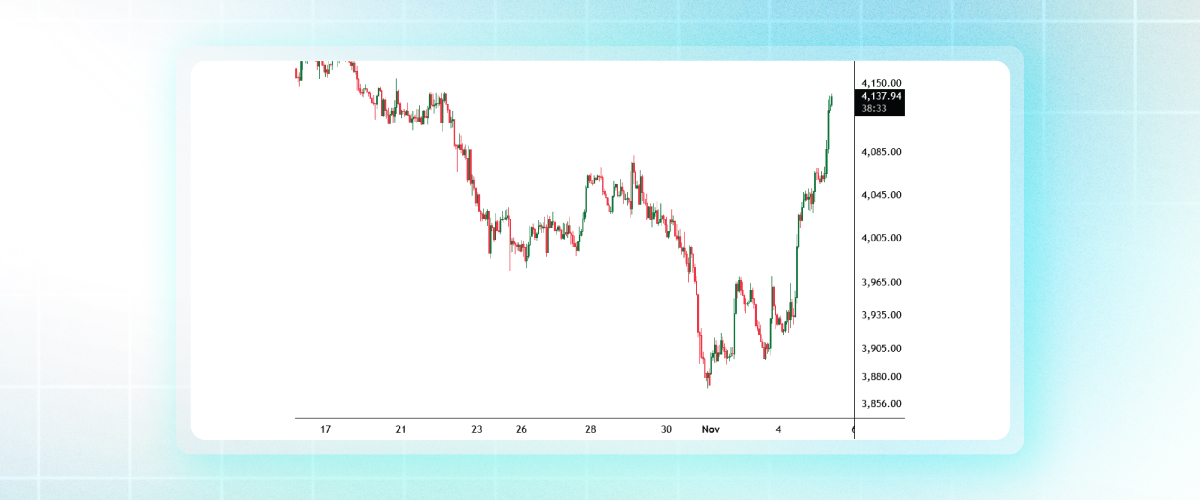
In precious metals, gold rose above USD 4,000 an ounce on Wednesday as the weaker US dollar and lower Treasury yields supported the precious metal. The weaker dollar supported demand for dollar-priced bullion, while investors continued to assess the potential economic implications of the US election outcome and the Federal Reserve's (Fed) policy outlook.
In currency markets, sterling held near a seven-week high ahead of the BoE policy announcement on Thursday. The central bank is widely expected to raise interest rates from 3.75% to 4%, marking its first increase since August 2023. Higher energy prices have pushed United Kingdom (UK) inflation to 3.5% in September, above the BoE's 2% target.
Meanwhile, the yen strengthened after minutes from the Bank of Japan's September meeting reinforced expectations for further monetary tightening. One board member indicated that there could be scope for faster rate increases.
Markets will now turn to the BoE's policy decision for signals on the pace of further monetary tightening, while Friday's US nonfarm payrolls report will provide fresh insight into labour-market conditions and the Fed's policy outlook. Investors will also assess whether easing geopolitical tensions following the US midterm elections could continue to influence demand for safe-haven assets and broader market sentiment.
DXY
Key Takeaways
· Democratic control of Congress raises the prospect of political gridlock in Washington, potentially limiting the administration's policy agenda and keeping pressure on the dollar.
· Markets continue to price in a December Fed rate increase, with the probability rising to 81.2%, suggesting that monetary policy expectations remain supportive of the greenback.
Technical Outlook
· Daily Bias: Neutral
· Support: 101.10
· Resistance: 101.94
Gold / US Dollar (XAU/USD)
Key Takeaways
· Expectations of reduced geopolitical escalation may moderate safe-haven demand, potentially limiting further upside in gold.
· Friday's US nonfarm payrolls report could reshape expectations for the Fed's December policy decision, keeping gold sensitive to labour-market signals.
Technical Outlook
· Daily Bias: Bullish
· Support: 4,055
· Resistance: 4,200
Brent Contract for Difference (CFD)
Key Takeaways
· The prospect of a diplomatic resolution to the Iran conflict raises expectations of improved Middle Eastern supply conditions, adding downward pressure to crude prices.
· The return of the global oil market to surplus contrasts with historically low commercial inventories, leaving prices vulnerable to further shifts in supply expectations.
Technical Outlook
· Daily Bias: Bearish
· Support: 92.00
· Resistance: 104.11
British Pound / US Dollar (GBP/USD)
Key Takeaways
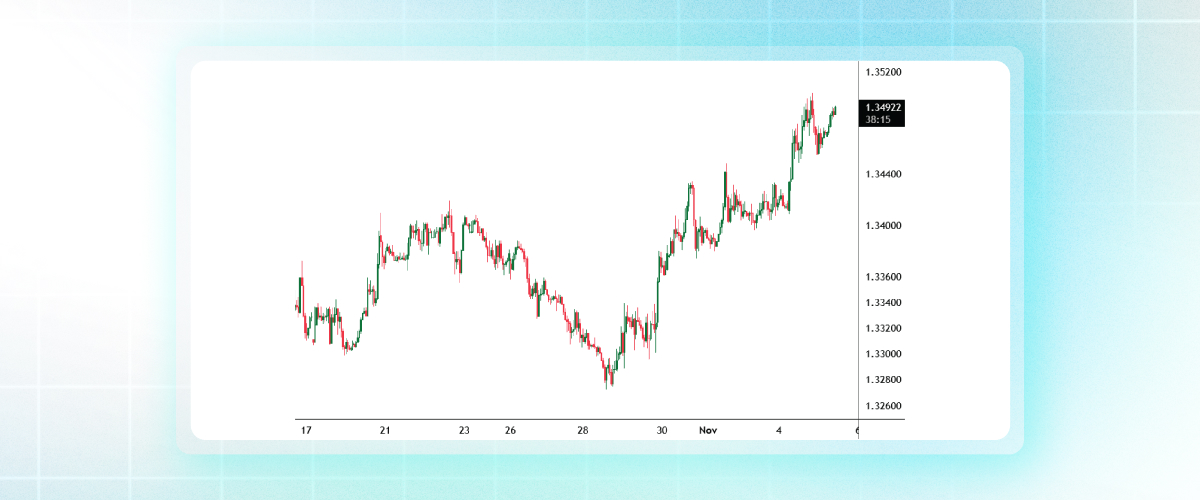
· Expectations of a BoE rate increase to 4% provide support for sterling, although the extent of further tightening remains uncertain.
· Markets are anticipating further rate increases next year, creating scope for sterling to react to any change in the BoE's policy guidance.
Technical Outlook
· Daily Bias: Bullish
· Support: 1.33960
· Resistance: 1.35034
Calendar Watch
· BoE Interest Rate Decision: The BoE is widely expected to raise interest rates from 3.75% to 4%, marking its first increase since August 2023. Markets will focus on the voting split and policy guidance for clues about the pace of further tightening.
· Initial Jobless Claims: Weekly unemployment claims will provide further insight into labour-market conditions ahead of Friday's Nonfarm Payrolls report, potentially influencing expectations for the Fed's December rate decision.
· Fed Hammack and Fed Barkin Speeches: Investors will monitor their remarks for further insights into policymakers' views on inflation, employment conditions, and the future path of interest rates.
· European Central Bank (ECB) President Lagarde Speech: Markets will look for signals on the Eurozone's inflation outlook, economic conditions, and the ECB's monetary policy direction.
Whether you are new to the markets or an experienced trader, stay connected to global markets with CPT Markets.
Access our trading platforms across multiple devices, with competitive spreads and fast execution.
This content is provided for informational purposes only and does not constitute investment advice, investment recommendations, or an offer or solicitation to buy or sell any financial instrument. Trading financial products such as foreign exchange (forex) and contracts for difference (CFDs) involves a high level of risk and may not be suitable for all investors. You may lose all of your invested capital, and in certain circumstances, losses may exceed your initial deposit. Please ensure that you fully understand the risks involved and carefully consider your financial objectives, level of experience, and financial situation before trading.


GBPUSD bull run: Can the pair smash through 1.3565?
US Midterm Elections: Analyzing Fiscal Deficits, Treasury Yields, and the Greenback

US Midterm Results Weigh on the Dollar as Central Bank Policy Divergence Builds | 4th November, 2026

What the Democratic Midterm Win Means for Gold, US Stocks and Bitcoin
US Midterms: Early Democratic Senate Wins Sink Dollar and Drag Futures Lower
Gold Edges Higher as Dollar Weakens Ahead of US Midterm Results

GBPUSD Edges Towards 1.3463 as Traders Brace for the Bank of England Decision