-21420261153.png)
-21420261153.png)





Dollar Firms as Euro Weakens and Oil Slips on Russia Waiver


Market Wrap-Up: Dollar Strength, Oil Supply, and Fed Rate Expectations
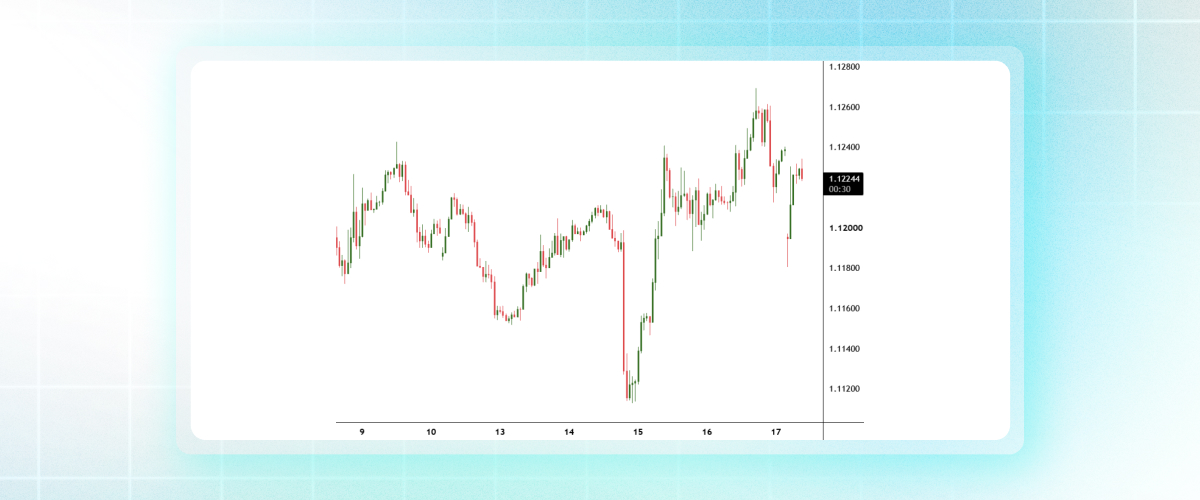
The US dollar edged higher from near its lowest levels of the month on Monday as violent protests in France weighed on the euro. The common currency fell 0.1% to $1.1225, helping steady the US Dollar Index (DXY), which traded flat at 101.83.
French President Emmanuel Macron condemned the violence surrounding cost-of-living protests over the weekend. Kieran Williams, head of Asia FX at InTouch Capital Markets, said the unrest mattered for the euro mainly through French government bonds rather than directly. Markets are also preparing for the Federal Reserve meeting on 28 October and the European Central Bank meeting on 29 October.
Elsewhere in foreign exchange, the US dollar was flat at 158.00 yen after Bank of Japan Governor Kazuo Ueda said underlying inflation was close to the central bank’s 2% target. The dollar also held steady at 6.6842 yuan in offshore trading ahead of China’s third-quarter GDP release. The Australian dollar rose 0.3% to $0.6965, while the New Zealand dollar remained flat at $0.5656. Sterling was also unchanged at $1.3329.
Oil prices declined in Asian trading after US President Donald Trump waived certain sanctions and tariffs affecting Russian fuel exports, potentially allowing additional supplies to reach global markets. Brent crude futures fell $1.94, or 1.77%, to $107.92 a barrel by 02:27 GMT, while West Texas Intermediate (WTI) fell 83 cents, or 0.82%, to $100.58. Brent had settled at its highest level since 19 May on Friday, briefly touching $110 a barrel amid Middle East security concerns and tighter global supply.
US Secretary of State Marco Rubio said Trump would take up to 60 days to assess the waiver’s economic impact. Meanwhile, analytics firm Kpler reported that Gulf crude flows fell to approximately 8.5 million barrels per day on a seven-day average last week, down from more than 20 million barrels per day the previous week, amid intensified attacks on commercial vessels.
Gold prices were largely steady on Friday and headed for a weekly decline as traders assessed the possibility of further Federal Reserve rate increases following stronger-than-expected US inflation data. December US gold futures settled 0.3% higher at $4,181.10 an ounce.
US producer prices recorded their largest increase in four and a half years in September, following an acceleration in consumer prices. Federal Reserve Chair Kevin Warsh expressed optimism about the US economy but provided no clear indication of the central bank’s rate path. Traders largely expected rates to remain unchanged at the October meeting, while expectations of a December increase remained elevated.
Looking ahead, markets will assess whether upcoming US employment and business activity data point to a resilient economy or signs of slowing momentum. Consumer inflation expectations and sentiment will also be in focus, particularly following stronger-than-expected producer and consumer price data, as investors gauge the implications for the Federal Reserve’s policy outlook.
DXY
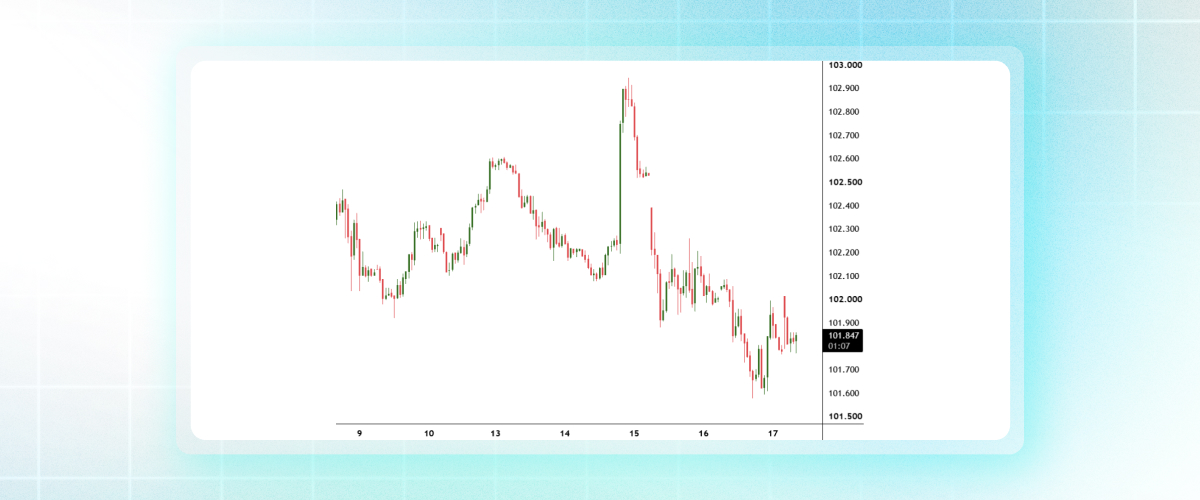
Key Takeaways
· French unrest weighs on the euro, helping steady the dollar index.
· Upcoming Fed and ECB decisions keep central bank policy expectations in focus.
Technical Outlook
· Daily Bias: Bullish
· Support: 101.57
· Resistance: 102.25
Gold
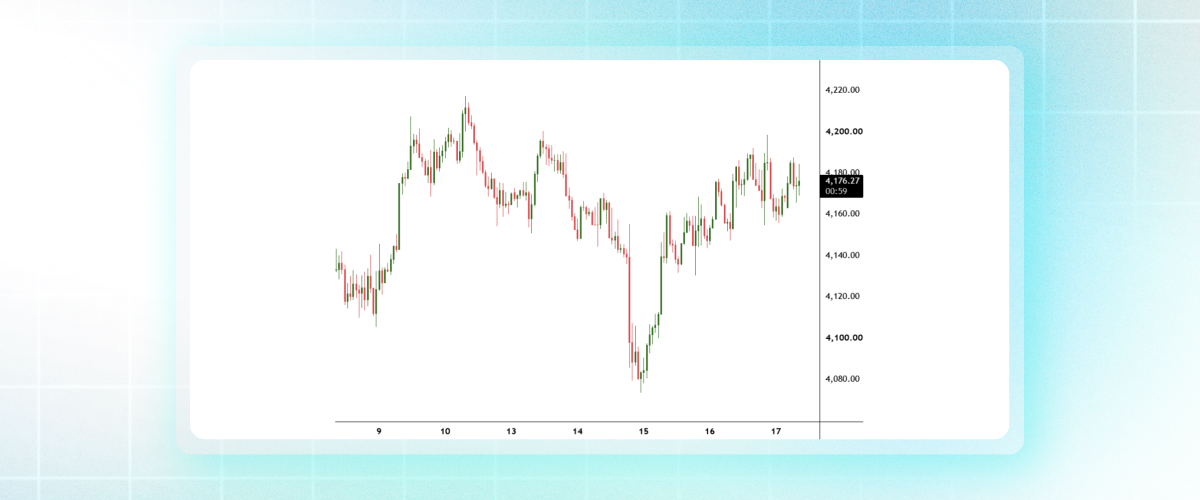
Key Takeaways
· Stronger US inflation data keeps the prospect of further Fed rate increases in focus.
· Uncertainty over the Fed’s rate path continues to limit conviction in gold’s near-term direction.
Technical Outlook
· Daily Bias: Neutral
· Support: 4,154
· Resistance: 4,198
WTI
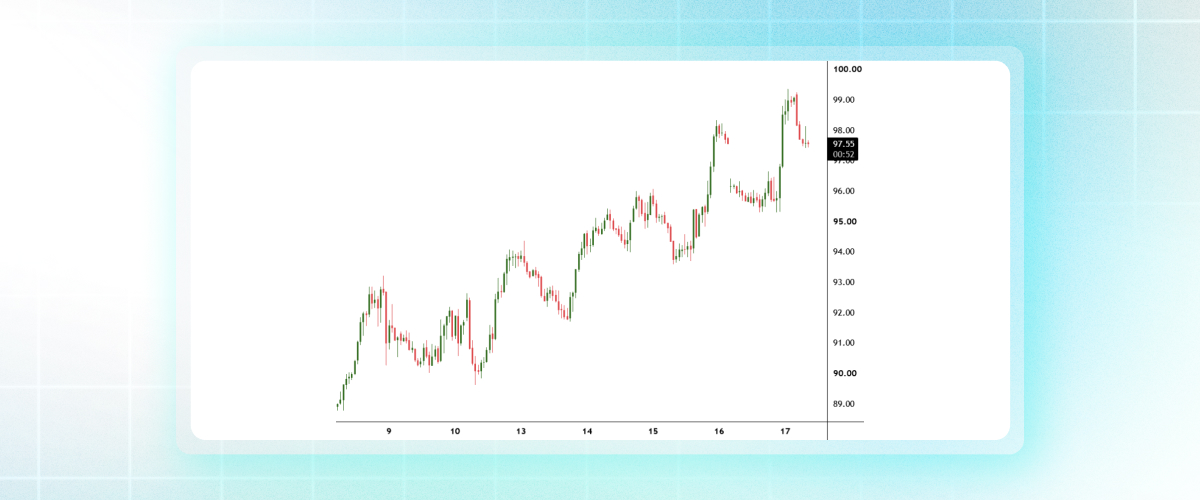
Key Takeaways
· The US waiver of certain sanctions and tariffs affecting Russian fuel exports raises the prospect of additional fuel supplies.
· Disruptions to Gulf crude flows and Middle East shipping risks remain competing influences on oil prices.
Technical Outlook
· Daily Bias: Bearish
· Support: 95.30
· Resistance: 101.00
EUR/USD
Key Takeaways
· French bond-market sensitivity adds another channel through which domestic unrest could affect the euro.
· The 29 October ECB meeting is a near-term focus for euro positioning.
Technical Outlook
· Daily Bias: Bearish
· Support: 1.11800
· Resistance: 1.12400
Calendar Watch
· ADP Employment Change Weekly: Markets will assess the weekly employment estimate for early signals of changes in private-sector hiring and broader labour-market conditions.
· Initial Jobless Claims: The data will provide an update on unemployment claims, helping markets assess whether labour-market conditions are weakening or remaining resilient.
· S&P Global Composite PMI Flash: Investors will monitor the preliminary reading for signals of changes in overall private-sector business activity across manufacturing and services.
· S&P Global Manufacturing PMI Flash: The release will offer an early indication of manufacturing activity, helping markets assess industrial demand and the broader economic outlook.
· Michigan Inflation Expectations: The final reading will be watched for changes in consumers’ inflation expectations, which may influence assessments of future inflation pressures and Federal Reserve policy.
· Michigan Consumer Expectations: The final reading will provide insight into consumers’ outlook for economic conditions, helping markets assess household sentiment and the potential implications for spending.
Whether you are new to the markets or an experienced trader, stay connected to global markets with CPT Markets.
Access our trading platforms across multiple devices, with competitive spreads and fast execution.
This content is provided for informational purposes only and does not constitute investment advice, investment recommendations, or an offer or solicitation to buy or sell any financial instrument. Trading financial products such as Forex and CFDs involves a high level of risk and may not be suitable for all investors. You may lose all of your invested capital, and in certain circumstances, losses may exceed your initial deposit. Please ensure that you fully understand the risks involved and carefully consider your financial objectives, level of experience, and financial situation before trading.


Weekly Market Recap and Forecast: AI Stocks Face Renewed Pressure as Oil Prices Surge, Gold Falls Below $4,100

EURUSD failed to break through the French barrier

Oil Holds Near Highs as Gold Slips Ahead of Fed Decision

France’s 2027 Budget Crisis: Why Bond Markets Matter More Than Protests

EURUSD has a chance for a countermove

Oil Surge Powers a Risk Check; Gold Touches $4,100 Ground

EURUSD Steadies as French and Italian Unrest Weigh on the Euro