-21420261153.png)
-21420261153.png)





Gold Edges Lower as Fed Rate Outlook Clouds Markets


Market Wrap-Up: Dollar Weakness, Oil Risks, and Central Bank Expectations
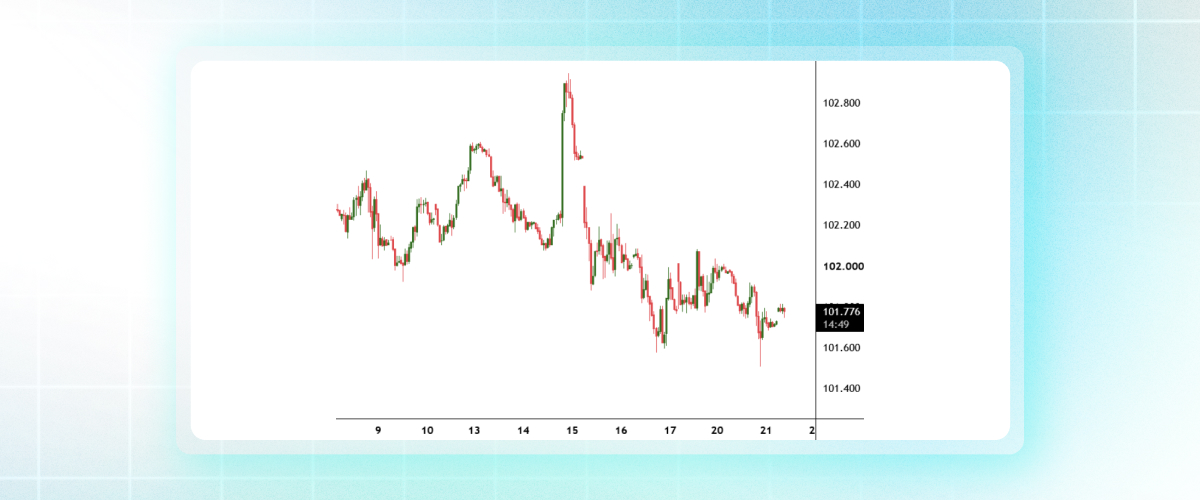
The US dollar remained under pressure on Wednesday after falling to a three-week low in the previous session, as lower Treasury yields and crude oil prices weighed on the currency. The US Dollar Index (DXY) was steady at 101.78 after declining 0.2% on Tuesday, while the Australian dollar hovered near a three-week high against the greenback.
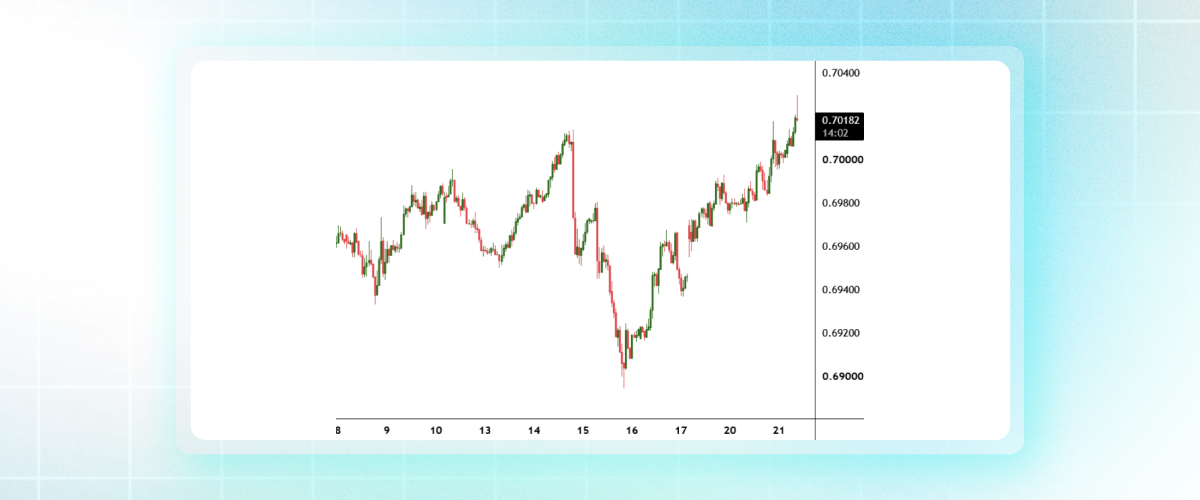
The Australian dollar rose 0.1% to $0.7013 after Reserve Bank of Australia Deputy Governor Andrew Hauser said the inflation outlook had become “materially worse”. His comments raised uncertainty about whether the central bank would need to raise interest rates again next month.
Elsewhere, the euro remained under pressure from concerns over political unrest and France’s fiscal position. French authorities announced additional security measures ahead of planned protests on Saturday. French government bond yields climbed, with the 10-year OAT yield reaching 4.96% after approaching 5% earlier in October. The yield spread between French OATs and German Bunds widened to 152.50 basis points.
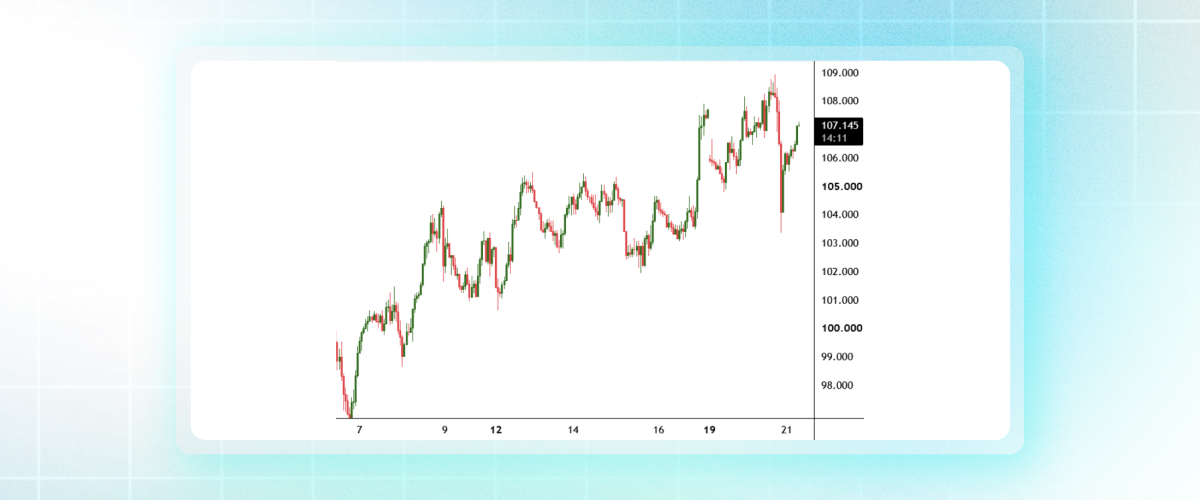
Oil prices edged higher on Wednesday amid concerns over Middle East supply disruptions. Brent crude futures rose 0.78% to $109.64 a barrel, while US West Texas Intermediate (WTI) crude gained 0.78% to $98.58 as of 00:22 GMT. Traders remained wary of shipping risks in the Red Sea and Gulf of Oman, alongside reported attacks on vessels and threats to Saudi energy infrastructure. Prices had declined in the previous session following discussions between Iran’s president and Pakistan’s army chief on mediation efforts.
Meanwhile, US officials said they were working with international refiners to increase fuel output amid a diesel shortage. Markets were also awaiting US inventory data, with analysts expecting crude stockpiles to have fallen by around 800,000 barrels in the week ended 16 October.
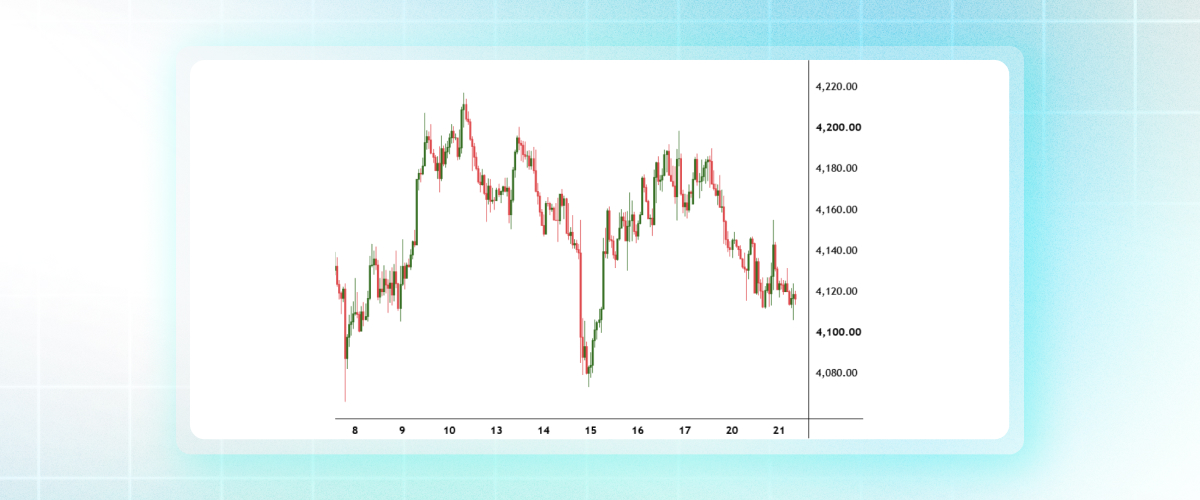
Gold edged lower as investors assessed the outlook for US interest rates ahead of next week’s Federal Reserve meeting and Personal Consumption Expenditures (PCE) inflation data. Spot gold fell 0.3% to $4,125.90 an ounce, while US gold futures for December delivery settled 0.4% lower at $4,142.60. Traders had reduced expectations of an October rate increase following recent comments from Fed officials, although markets continued to price in the possibility of further tightening in December.
Equity markets were mostly higher on Tuesday as oil prices and Treasury yields eased. The Dow Jones Industrial Average rose 1.02% to 52,495.88, while the S&P 500 gained 0.28% to 7,712.57. The Nasdaq Composite slipped 0.02% to 26,424.82. Investors continued to assess corporate earnings, particularly from major technology companies, for signs of economic resilience and returns from artificial intelligence investment.
Attention now turns to next week’s policy decisions from the Federal Reserve, European Central Bank, and Bank of Japan, with all three expected to leave interest rates unchanged. US PCE inflation data will provide further insight into the monetary policy outlook, while expectations of a potential Fed rate hike in December remain in focus. Developments in France and Middle East energy supply risks will also continue to shape market sentiment.
DXY
Key Takeaways
· Softer Treasury yields and easing crude prices weighed on the dollar.
· US capital inflows and demand for safe-haven assets remain key factors shaping the dollar’s outlook.
Technical Outlook
· Daily Bias: Bearish
· Support: 101.50
· Resistance: 102.00
XAU/USD
Key Takeaways
· Expectations of further Fed tightening continue to challenge gold, with attention turning to US PCE inflation data and the Fed’s policy guidance.
· The $4,000 level remains a key price threshold highlighted by StoneX strategist Bob Haberkorn.
Technical Outlook
· Daily Bias: Bearish
· Support: 4,100
· Resistance: 4,155
Brent Oil
Key Takeaways
· Shipping risks in the Red Sea and Gulf of Oman, alongside threats to Saudi energy infrastructure, supported oil prices amid concerns over regional supply disruptions.
· Diplomatic mediation efforts and initiatives to increase fuel output offered potential counterweights to supply concerns, while US crude inventory data remained in focus.
Technical Outlook
· Daily Bias: Bearish
· Support: 103.40
· Resistance: 109.00
AUD/USD
Key Takeaways
· Hawkish RBA signals support the Australian dollar, with Deputy Governor Andrew Hauser warning that the inflation outlook had deteriorated materially.
· Markets are assessing whether persistent inflation could prompt another RBA rate increase next month.
Technical Outlook
· Daily Bias: Bullish
· Support: 0.69951
· Resistance: 0.70400
Calendar Watch
· UK: September consumer price inflation and producer price inflation will provide fresh insight into domestic price pressures and the Bank of England’s policy outlook. Governor Andrew Bailey’s speech will also be monitored for further signals on interest rates.
· Eurozone: ECB President Christine Lagarde’s speech will be watched for insights into the central bank’s assessment of inflation, economic conditions, and the policy outlook.
· US: EIA crude oil inventory data will be in focus amid elevated oil prices and Middle East supply risks. Changes in crude, gasoline, and distillate inventories will offer further insight into US oil and fuel supply conditions.
Whether you are new to the markets or an experienced trader, stay connected to global markets with CPT Markets.
Access our trading platforms across multiple devices, with competitive spreads and fast execution.
This content is provided for informational purposes only and does not constitute investment advice, investment recommendations, or an offer or solicitation to buy or sell any financial instrument. Trading financial products such as forex and CFDs involves a high level of risk and may not be suitable for all investors. You may lose all of your invested capital, and in certain circumstances, losses may exceed your initial deposit. Please ensure that you fully understand the risks involved and carefully consider your financial objectives, level of experience, and financial situation before trading.


Weak Tech Earnings Pressure the US Dollar as Central Bank Divergence Shapes Forex Markets | 23rd October, 2026

Gold Slips Below $4,000 as Inflation Fears and a Hawkish Fed Outlook Outweigh US–Iran Tensions

US Dollar Outlook Shifts as Treasury Yields Fall and Central Bank Divergence Shapes Forex | 22nd October, 2026

GOLD Below $3,999 or Above $4,501? What Could the Coming Week Bring?

UK Inflation Risks and Central Bank Expectations Shape Forex as Oil | 21st October, 2026

Dollar Weakens as Oil Rallies and Asian Currencies Navigate PBOC Policy | 20th October, 2026

Asian Currencies Strengthen as China Growth Beats Forecasts and the US Dollar Weakens