





The dollar is weakening, as set by seasonality

The first step is the hardest! At the start of winter, the dollar's decline accelerated, a trend consistent with seasonal patterns. December is traditionally a bearish month for the US currency — over the past 25 years, the dollar has declined on 18 occasions. The repatriation of profits by non-residents from investments in US stocks and bonds requires USD sales. Given the record demand for US securities from foreign investors, this process could give new impetus to the EURUSD rally.
Usually in December, the US dollar performs the worst against the franc and the Swedish krona. At the same time, the struggle with the yen and the Loonie intensifies to the limit. The former looks like the favourite this time around amid expectations of a key rate hike by the Bank of Japan in December. The decline in USDJPY is developing alongside the growing chances of a rate hike from 0.5% to 0.75% on 19 December.
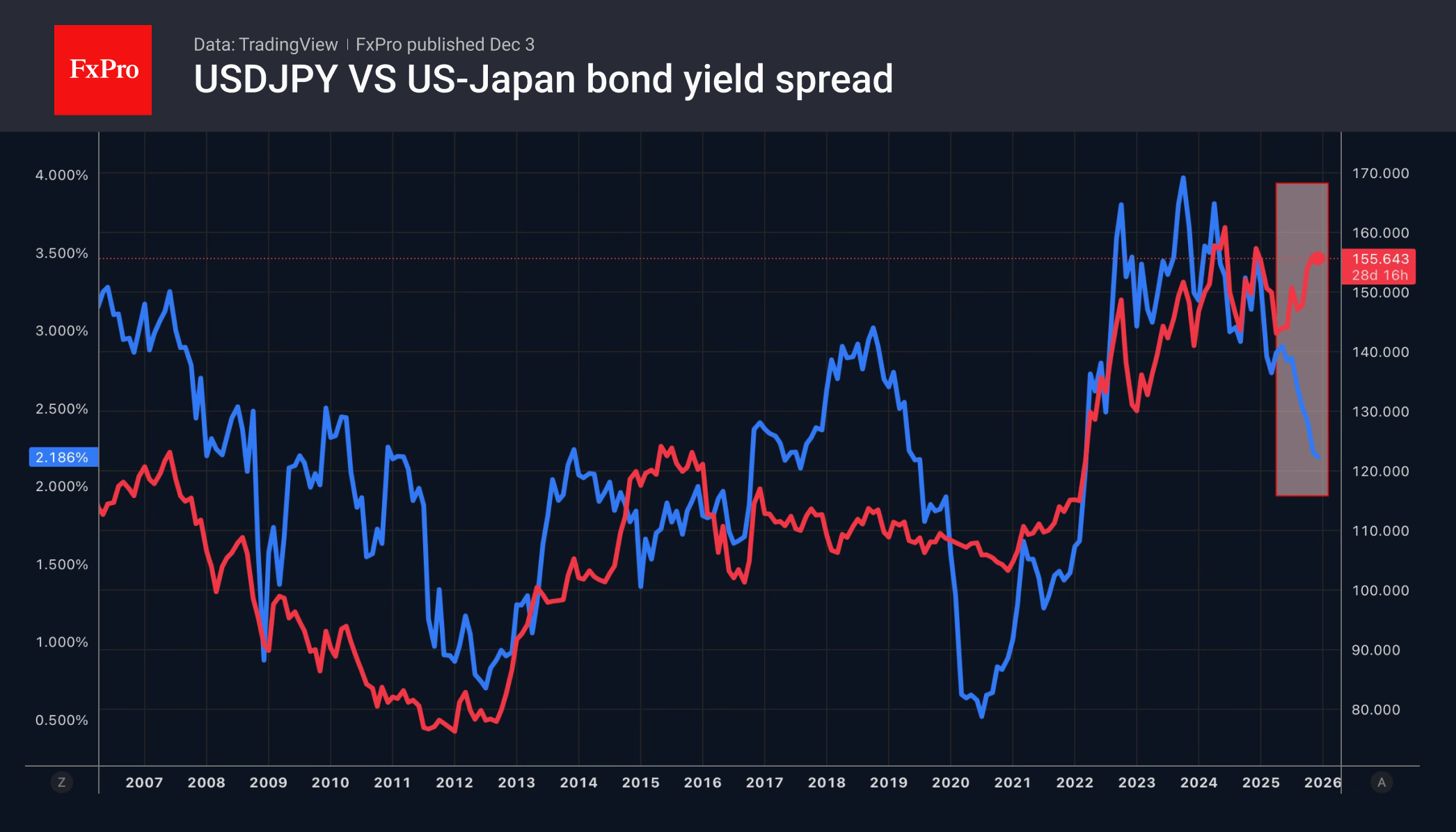
Investors are playing on the divergence in monetary policy. The Fed is expected to cut rates to 3% in 2026, whereas the BoJ forecasted a hike to 1.25%. The narrowing of the yield spread between these countries' bonds shifts the balance in favour of the yen on Forex next year.
The anticipation of death is worse than death itself. Donald Trump's statement that the new Fed chair will be announced in early 2026, rather than by Christmas as Scott Bessent had previously said, is not helping the dollar. Along with the expectation of Kevin Hassett's arrival at the helm of the Fed, the expected scale of monetary expansion is growing. This is bad news for USD.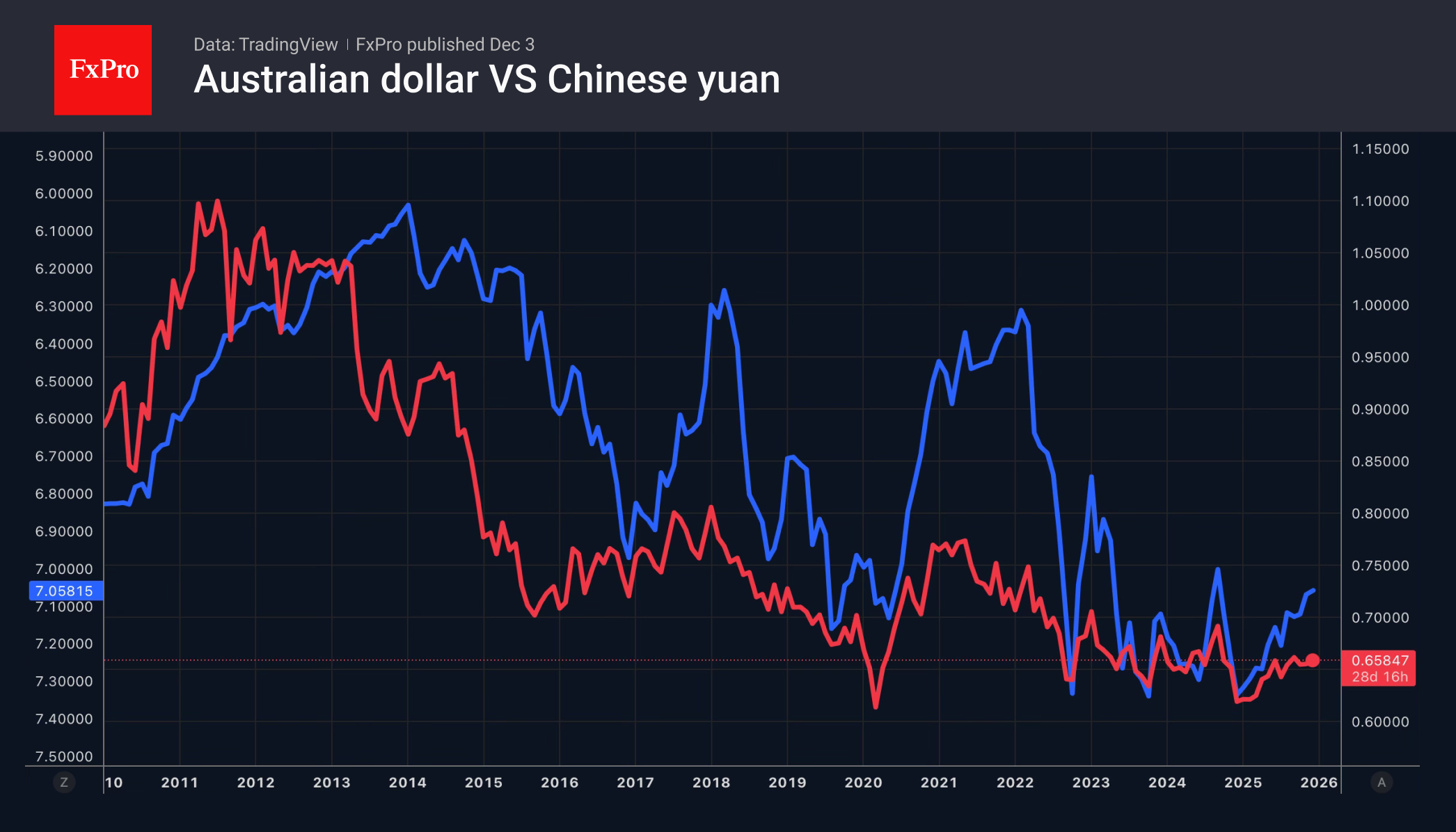
Other currencies are taking advantage of the greenback's weakness. AUDUSD rose to a 5-week high on growing chances of an RBA base rate hike next year due to accelerating inflation. The rally in US stock indices supports the Aussie, as well as the associated improvement in global risk appetite, and the most significant strengthening of the Chinese yuan since 2020. Unlike the first trade war, when USDCNH soared by 13%, this time the tariffs did not scare off the bears.
The FxPro Analyst Team


The yen is strengthening before our very eyes

US Yields Rise Despite Buybacks; Eyes on ECB Hike

US Treasury Triples Long-Term Bond Buyback Size
Today Fundamental Analysis: Brent Holds Around $100 Amid Fresh US-Iran Escalations

The euro is banking on the ECB

EBC Markets Briefing | Euro eyes more gains on mounting dollar debasement risks

Today Technical Analysis: Japanese Yen Hits Highest Level Against the Dollar Since February