-1162026812.png)
-1162026812.png)





An Unexpected Turn: Does Iran Appear to Be Gaining the Upper Hand?

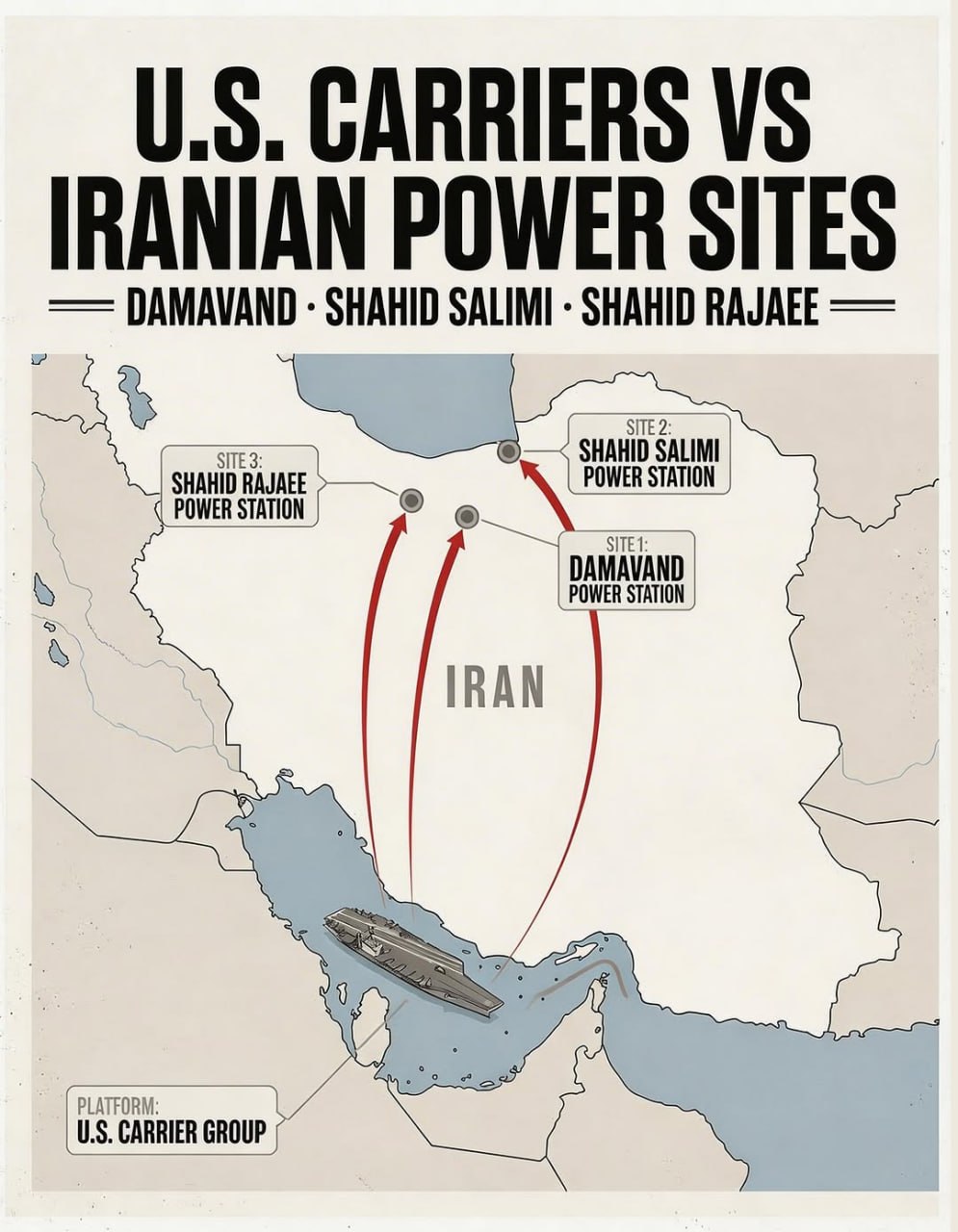
Rather unexpectedly, Iran appears to be coming out ahead in the conflict with the US–Israel coalition. Trump’s decision to delay action by ten days may be interpreted as an acknowledgement of US constraints. While a US naval deployment is en-route to the region, only the prospect of a ground operation would materially improve the chances of establishing control — and that would be an exceptionally risky undertaking, bringing the situation uncomfortably close to nuclear escalation.
The central point is that Iran has, in effect, secured control over the Strait of Hormuz — a development few had anticipated, yet one with far-reaching implications. At present, negotiations may well be more pressing for Trump than for Tehran. A rather curious paradox.
Prior to the conflict, the Iranian regime was under considerable strain: economically weakened, short of credible reform strategies, and facing persistent domestic unrest, which it managed largely through repression. The Strait of Hormuz now offers a potential route to longer-term resilience. Tehran has effectively identified a geopolitical lever and deterrent far more practical to wield than a nuclear arsenal. At the same time, Iran appears to be increasing its oil exports — prompting an obvious question: has it, in fact, been “defeated” by the United States?
For now, there is no clear military solution to the Hormuz question. Any attempt to resolve it would be complex and costly, requiring sustained naval operations and escorted shipping rather than anything resembling a straightforward intervention.
For the time being, the situation appears to be settling into a form of stalemate. Oil prices may well remain $100+ for quite some time. Only a de-escalation — specifically, a halt to large-scale military operations by the United States and Israel — is likely to shift market dynamics and allow prices to ease. Trade smart with Headway


US Treasury Triples Long-Term Bond Buyback Size

Oil Breaks Above $100 as Supply Risks Push Brent Higher

Why CPI Data Can Trigger Market Moves Across the Dollar, Gold and Stocks

Brent has soared above $100. Is this just the beginning?
Today Fundamental Analysis: Brent Holds Around $100 Amid Fresh US-Iran Escalations

S&P 500 Stepped From Record Highs, but Market Breadth Is Flashing a Warning 💥

Bitcoin: the golden cross signals an uptrend, but not right away