





Extreme Fear and Bitcoin’s Four-Year Cycle: What Could the Current Downturn Mean?

Bitcoin’s sharp sell-off has pushed the Crypto Fear & Greed Index into Extreme Fear (9 on November 23), while weakness in US technology stocks has weighed on broader risk appetite. In Binance, Bitcoin fell to around $55,130 on November 21 before recovering above $60,000. The rebound has raised a key question: is selling pressure beginning to ease, or could the market face another leg lower?
Why Are Bitcoin and Risk Assets Under Pressure?
- A sharp monthly decline: Bitcoin fell from approximately $77,580 at the start of November to around $61,700 on November 23, a decline of about 20%. It also traded near $55,130 over the weekend, its lowest level since September 2024.
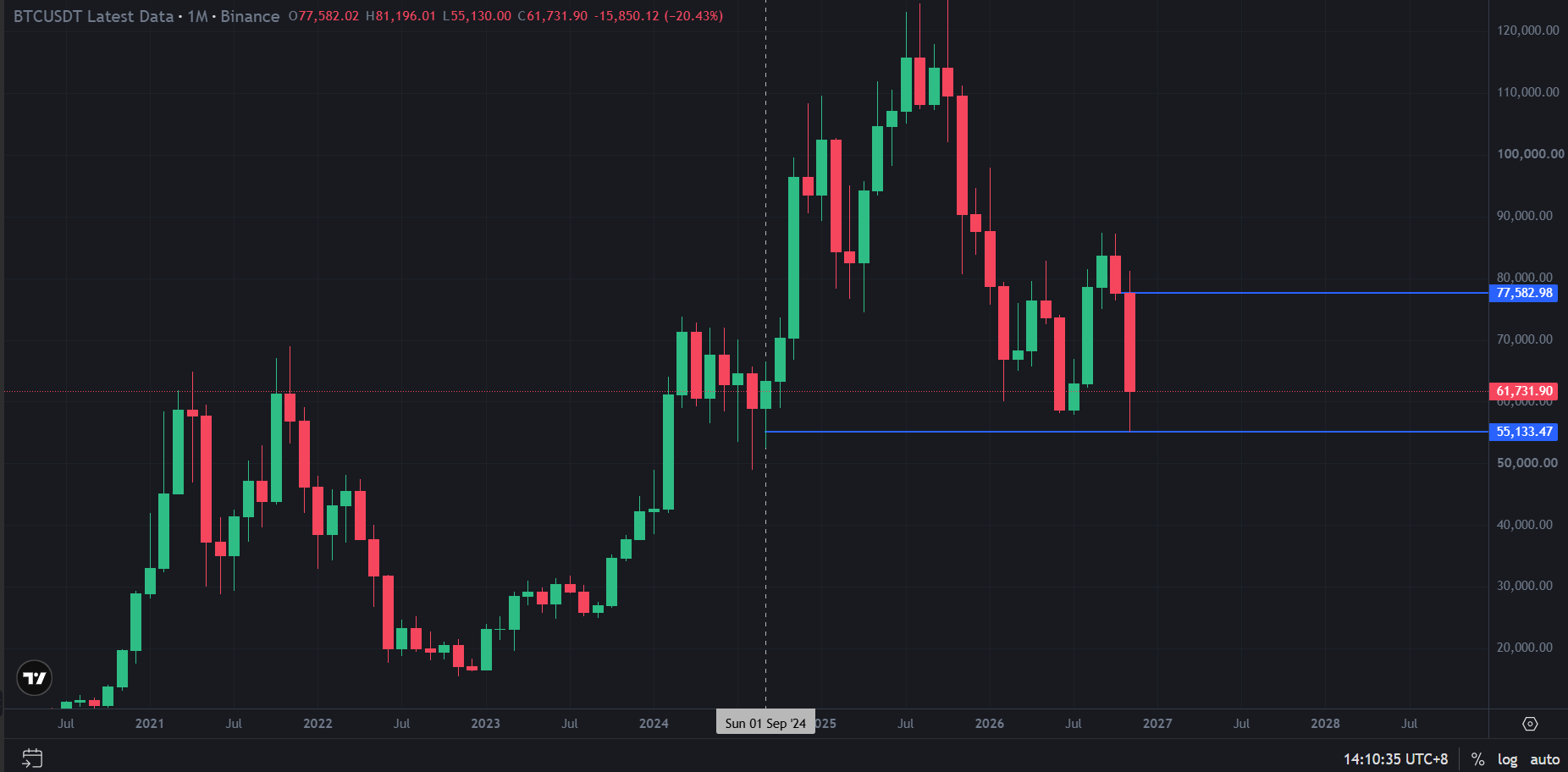
Figure 1: Bitcoin monthly chart, Binance
- Risk appetite has weakened: US equities have also come under pressure amid concerns about the profitability of AI-related investment and the outlook for borrowing costs. Bitcoin’s recent moves alongside equities suggest that broader risk sentiment remains an important influence, although correlation does not establish a single cause.
- ETF outflows add to the demand picture: US spot Bitcoin ETFs recorded approximately $1.3 billion in net outflows during November 16–20. Persistent outflows may indicate weaker demand through these investment products, although ETF flows alone do not represent the entire Bitcoin market.
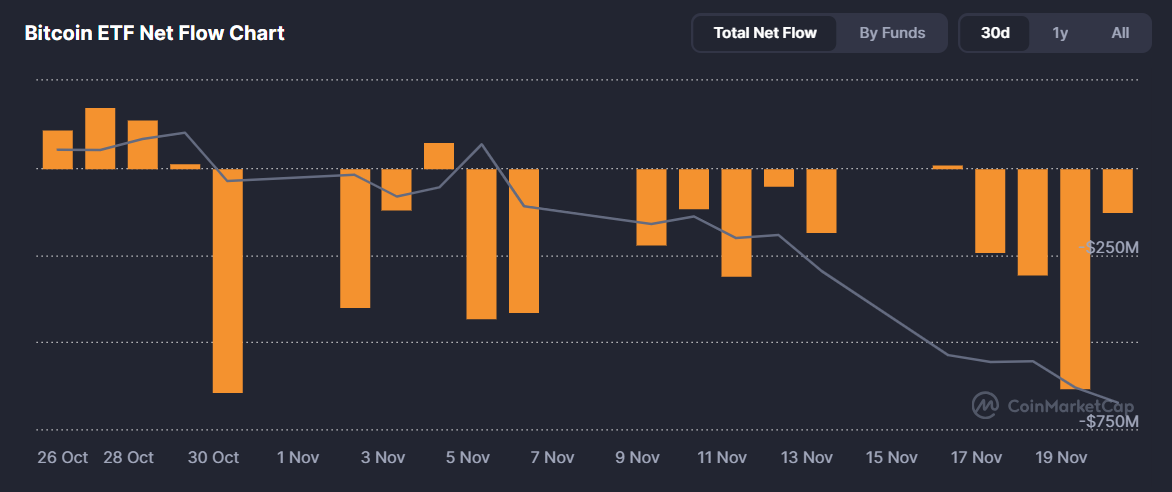
Figure 2: Bitcoin ETF Net Flow Chart, CoinMarketCap
- Leverage may amplify price moves: During periods of rapid declines, leveraged positions can be liquidated and add to short-term selling pressure. However, price movements alone cannot establish how much of the sell-off came from forced liquidations versus spot selling.
Is Bitcoin’s Four-Year Cycle Still Relevant?
Bitcoin’s four-year cycle is often linked to its halving events, which reduce the rate of new BTC supply. The April 2024 halving cut the block reward from 6.25 BTC to 3.125 BTC. However, the historical cycle does not mean prices follow a fixed path.
- Where are we in the current cycle? Bitcoin reached a record high in October 2025, approximately 18 months after the 2024 halving. Its current decline is taking place well beyond the post-halving rally, suggesting the market may be in a later correction phase.
- What does history suggest? In previous cycles, major market peaks occurred roughly 12–18 months after halving, while market bottoms developed later. These historical intervals provide context, but the limited number of cycles makes them unreliable as precise timing signals.
- What comes next? The next halving is currently estimated around April 2028. Historical cycle patterns may provide context around 2029, but they do not establish when the next market peak will occur. The timing and direction of future Bitcoin price movements remain uncertain.
The four-year cycle remains relevant as a framework for understanding Bitcoin’s supply dynamics and historical market phases. For the current sell-off, however, price structure, demand and selling pressure are more useful for assessing whether the market is stabilizing than cycle timing alone.
Is the Sell-Off Near an End?
The Crypto Fear & Greed Index fell to 9 out of 100 on November 23, down from 47 a month earlier, placing market sentiment firmly in the Extreme Fear zone. The sustained deterioration in sentiment reflects the pressure seen across the crypto market.
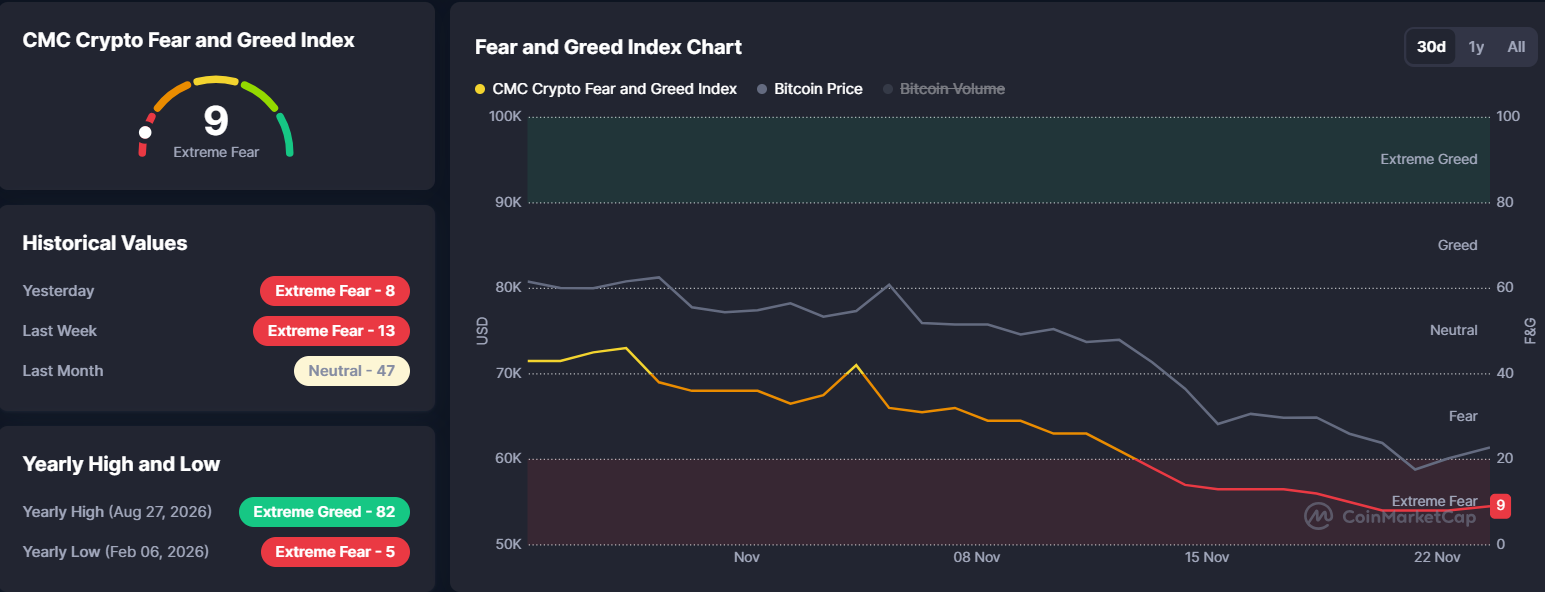
Figure 3: Crypto Fear & Greed Index, CoinMarketCap
Extreme fear can emerge near market turning points, but it can also persist during prolonged declines. For Bitcoin, the key question is whether the current sell-off is showing signs of exhaustion.
- Signs of easing pressure: Slowing selling, improving spot demand and a series of higher lows could suggest that downside momentum is weakening.
- Evidence of recovery: Reclaiming and holding previously broken support areas may indicate improving market structure. A short-lived rebound that fails near resistance, however, may remain a relief rally within the broader decline.
- Risk of further downside: If Bitcoin fails to sustain its recovery and selling pressure returns, the market may remain vulnerable to renewed volatility.
Extreme Fear confirms that sentiment is deeply pessimistic, but not that the sell-off is over. A more convincing shift would require sentiment to be accompanied by improving demand and sustained price recovery.
Key Takeaways for Traders and Investors
- Thanksgiving liquidity: US equity markets will be closed on November 26 and will close early at 1:00 p.m. ET on November 27. Bitcoin trades around the clock, but reduced participation from traditional market participants during the holiday period may affect liquidity in related markets. Thinner order books can increase sensitivity to large orders and contribute to wider spreads or slippage; the effect is not guaranteed.
- Year-end positioning: Portfolio rebalancing, profit-taking and risk reduction may influence market flows as the year ends. These factors can add uncertainty, but their direction and magnitude cannot be assumed in advance.
- Risk management: Short-term market conditions can change quickly. Traders may focus on execution, position sizing and predefined risk limits rather than attempting to identify an exact bottom.
- Long-term allocation: Investors reviewing their crypto exposure may consider how a prolonged drawdown would affect their overall portfolio. Dollar-cost averaging can spread entry timing, but it does not eliminate market or loss risk.
Conclusion
Bitcoin’s rebound from its weekend low may indicate that some selling pressure has eased, but the broader market remains under stress. Extreme Fear highlights deep pessimism; it does not confirm that the sell-off is over.
A more convincing shift would require evidence of sustained demand and improving price structure. Until then, the market remains at a point where both a recovery and renewed downside pressure are possible.
Risk Disclaimer: CFDs are complex instruments and come with a high risk of losing money rapidly due to leverage. 76% of retail investor accounts lose money when trading CFDs with this provider. You should consider whether you understand how CFDs work and whether you can afford to take the high risk of losing your money. This marketing publication is for informational and educational purposes only. It is not an investment recommendation. We do not suggest any investment strategy in this material, nor do we provide investment advice. The material does not take into account your individual financial situation, needs, or investment objectives. It does not constitute a solicitation or invitation to buy, sell, or engage with any product or service of IUX. We have prepared this marketing publication carefully and objectively. We present the facts known to the authors at the time of its creation. We do not include any judgmental elements. Information and research based on historical data or results, as well as forecasts, are not a reliable indicator of the future. We are not responsible for your actions or omissions, especially if you decide to purchase or sell financial instruments based on the information in this marketing publication. We are also not liable for any damages that may result from the direct or indirect use of this information. Investing is risky. Invest responsibly.


Crypto market drifts lower again to $2.04T

https://my.xm.com/research/markets/news/analysis/1795602042944

EBC Markets Briefing | Aussie dollar down as short positions pile up

SK Hynix Slides Below $112 as Asian Chip Stocks Reverse

Daily Technical Analysis: Gold Extends Its Downtrend as Prices Break Below $3,530

Dell Rebounds After Hours as Record AI Backlog Lifts Outlook

Daily Fundamental Analysis: Nasdaq and S&P 500 Ease Back, Giving Up Some of Monday’s Strong Gains