-21420261153.png)
-21420261153.png)





PMI Surges to Highest Since 2022; Dollar Index Climbs to One Year High


Market Wrap-up: Strong US PMI Drives Dollar RallyMarket attention has shifted away from geopolitical developments and back toward economic fundamentals. Following the U.S. decision to lift sanctions and allow Iran to sell oil for 60 days, investors have turned their focus to the Federal Reserve, which is increasingly expected to maintain a hawkish policy stance and potentially deliver further rate hikes this year.
The latest S&P Global U.S. Purchasing Managers’ Index (PMI) data showed that business activity remains resilient, with the Manufacturing PMI rising to 55.7 in June, its highest level since May 2022.
Meanwhile, ADP's four-week average employment change improved to 30,750 jobs, reinforcing the view that the U.S. labor market remains sufficiently strong to support a cautious Fed policy outlook.
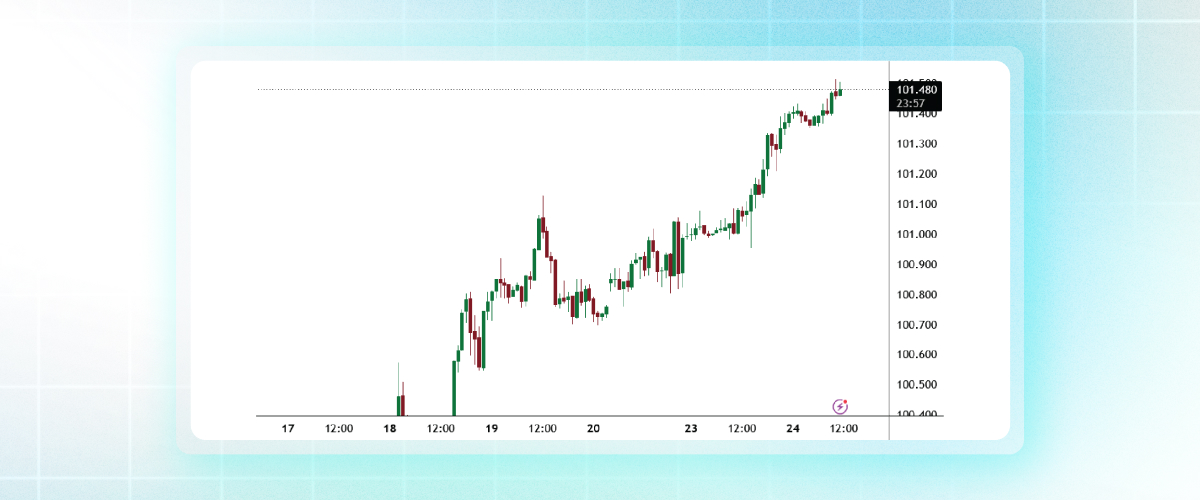
Following the release of these data points, the U.S. Dollar Index (DXY) surged to a new one year high above 101.40 and has yet to show signs of losing momentum. In addition, the Personal Consumption Expenditures (PCE) inflation report due on Thursday is expected to come in above the previous month's reading, which could provide further support for the greenback.
The stronger U.S. dollar continued to pressure major currency pairs, with the exception of the Japanese yen. The currency remained relatively stable as intervention concerns intensified after the yen weakened to a 40 year low of 161.90 per U.S. dollar.
Gold and silver also came under heavy pressure. Spot gold fell below the 4,100 USD level, while silver dropped more than 5% to 62.07 USD/oz during the previous session.
Bank of America stated that its previously projected gold target of 6,000 USD/oz now appears increasingly unlikely. Meanwhile, Deutsche Bank lowered its third-quarter gold forecast to 4,300 USD/oz, while warning that an additional three to four Fed rate hikes could push gold prices down toward the 3,800 USD/oz area.
In the energy market, WTI crude eased nearly 1% to 72.50 USD per barrel as Middle East tensions temporarily subsided. The stronger U.S. dollar also contributed to downward pressure on oil prices during the session.
Looking ahead, no major economic releases are scheduled for today. However, market participants are expected to remain focused on the PCE inflation report due tomorrow. As a result, trading activity may remain cautious as investors await a key catalyst that could reshape expectations for the Fed's policy path.
XAU/USD: Gold Extends Decline on Rising Rate Hike Bets and Strong Economic Data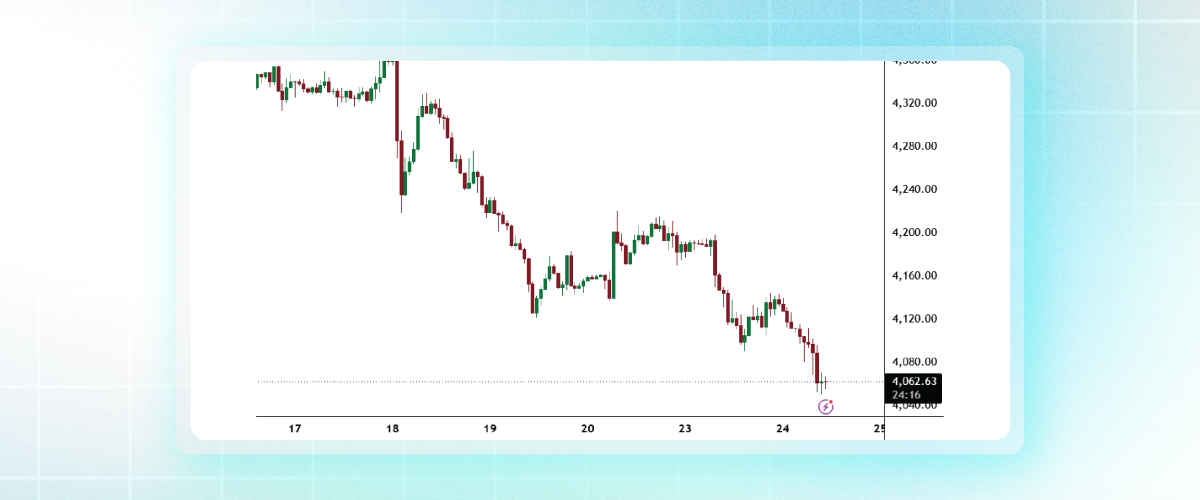
Key takeaway:
Gold prices declined on 23/06 as a broad selloff in global technology stocks spilled over into precious metals markets, while investors grew increasingly concerned that the Federal Reserve may continue raising interest rates.
The latest pressure stemmed from last week's Fed meeting chaired by new Fed Chair Kevin Warsh. More hawkish-than-expected signals from the central bank prompted markets to increase bets on another rate hike later this year.
This repricing of interest rate expectations weighed not only on gold but also triggered corrections across several asset classes that had previously benefited from expectations of monetary easing.
Technical Outlook:
Daily Bias: Bearish
Support: 4,053
Resistance: 4,135
WTI: Oil Slips as Iran Supply Returns and Strong Dollar Weighs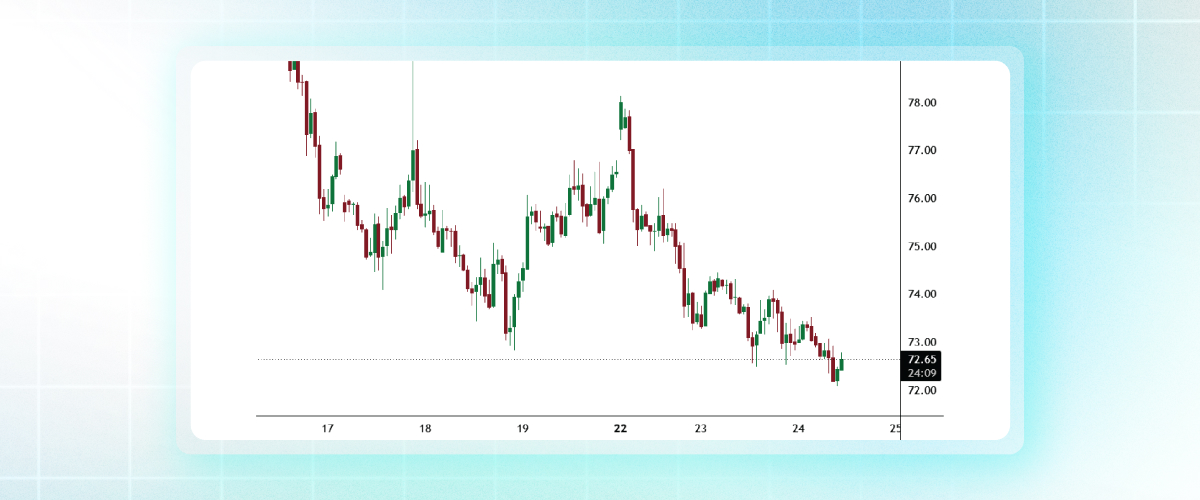
Key takeaway:
Oil prices edged lower on 23/06 as investors continued monitoring oil shipments through the Strait of Hormuz, one of the most strategically important shipping routes for global energy markets.
The U.S. Treasury Department issued a 60-day license allowing the production, transportation, and trading of Iranian oil. The authorization also permits imports of Iranian crude into the United States and settlement in U.S. dollars. The license remains valid until August 21.
However, the decision has also raised concerns that Iran could use additional oil export revenues to rebuild its military capabilities.
Technical Outlook:
Daily Bias: Neutral
Support: 71.56
Resistance: 74.97
DXY: Dollar Index Hits One-Year High After Strongest PMI Since 2022
Key takeaway:
The U.S. Dollar Index (DXY) surged to a one-year high as investors assessed the latest S&P Global U.S. PMI data, which indicated that business activity remains robust.
The Manufacturing PMI rose to 55.7 in June, reaching its highest level since May 2022.
Meanwhile, ADP's four-week average employment change improved to 30,750 jobs, reinforcing expectations that the U.S. labor market remains resilient enough for the Federal Reserve to maintain a cautious policy stance.
Technical Outlook:
Daily Bias: Bullish
Support: 100.26
Resistance: 101.60
EUR/USD: Euro Under Pressure as Weak Eurozone PMI Contrasts with U.S. Strength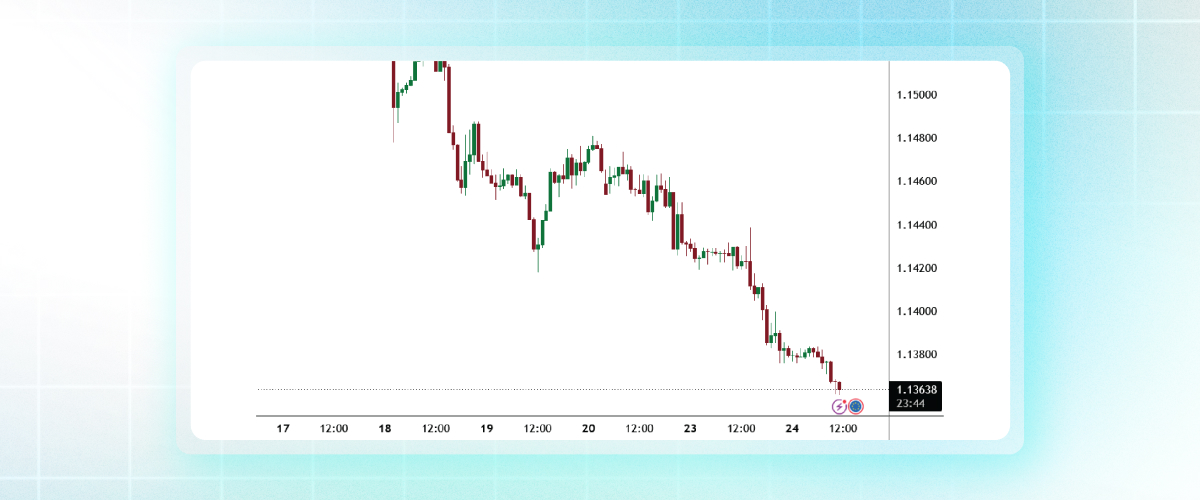
Key takeaway:
The euro weakened as expectations of further Federal Reserve tightening continued to support the U.S. dollar.
At the same time, Eurozone PMI data remained soft despite the composite index coming in slightly better than expected.
Core economies including Germany and France continued to underperform, with Germany's services sector recording its weakest reading in 43 months.
Easing inflation pressures within the PMI survey have also raised questions about the European Central Bank's assessment of demand conditions and the necessity of additional rate hikes, adding further pressure on the euro.
Technical Outlook:
Daily Bias: Bearish
Support: 1.13400
Resistance: 1.14177
USD/JPY: Japanese Yen Holds Firm on Intervention Risks and BoJ Rate Hike Bets
Key takeaway:
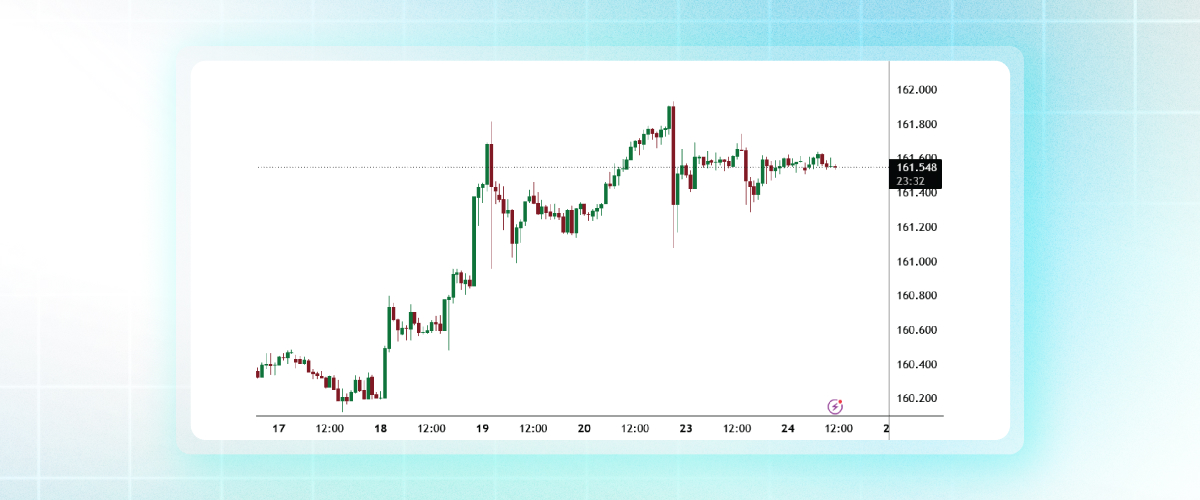
The Japanese yen traded relatively steady as traders remained highly alert to the possibility of official currency intervention.
Japan's Chief Cabinet Secretary Minoru Kihara warned on Tuesday that authorities would take appropriate action in the foreign exchange market if necessary.
In addition, the Bank of Japan's Summary of Opinions from its June policy meeting showed that a majority of board members supported raising interest rates, citing broadening inflation risks and core CPI moving closer to the central bank's 2% target.
Technical Outlook:
Daily Bias: Bearish
Support: 160.98
Resistance: 161.80
Overall, markets are being driven primarily by a repricing of Federal Reserve policy expectations rather than geopolitical developments. Strong PMI and labor market data have reinforced the view that the U.S. economy remains resilient enough for the Fed to maintain a restrictive stance, pushing the U.S. dollar to its highest level in more than a year.
The stronger greenback has weighed on gold, silver, crude oil, and major currencies such as the euro. The Japanese yen has been the exception, with growing intervention concerns and expectations of further Bank of Japan rate hikes helping limit the currency's downside.
Market sentiment is now focused almost entirely on the upcoming PCE inflation report. A stronger than expected reading could further support the case for higher U.S. interest rates for longer, while any signs of easing inflation may trigger a meaningful correction in the U.S. dollar and Treasury yields.
If you are looking for a platform to take advantage of market volatility, CPT Markets is a compelling choice. Trade global markets on advanced trading platforms with competitive spreads, fast execution, and a seamless experience across all devices.
Whether you are a beginner or an experienced trader, trading short-term or long-term, the right platform can make the difference - Trade smarter with CPT Markets!
This content is for informational purposes only and should not be considered investment advice. Trading financial products such as Forex and CFDs involves a high level of risk and may not be suitable for all investors. You may lose all of your invested capital. Please ensure that you fully understand the risks involved and carefully consider your financial situation before trading.


The yen is strengthening before our very eyes

US Yields Rise Despite Buybacks; Eyes on ECB Hike

US Treasury Triples Long-Term Bond Buyback Size
Today Fundamental Analysis: Brent Holds Around $100 Amid Fresh US-Iran Escalations

The euro is banking on the ECB

EBC Markets Briefing | Euro eyes more gains on mounting dollar debasement risks

Today Technical Analysis: Japanese Yen Hits Highest Level Against the Dollar Since February