-21420261153.png)
-21420261153.png)





US Strikes Iran, Markets Eye Fed Minutes

Market Wrap-up: Middle East Tensions Lift Oil, Boost USD
The Middle East remained the dominant market driver as geopolitical tensions escalated further. Following a series of Iranian attacks targeting commercial vessels along the strategically important Strait of Hormuz, including a Qatari LNG carrier and a Saudi oil tanker, the US military launched fresh airstrikes against Iran and revoked the key sanctions waiver that had allowed Tehran to sell oil on international markets.
The latest developments highlight the fragile nature of the temporary ceasefire between the US and Iran, even as both sides continue negotiations aimed at reaching a longer-term agreement.
WTI crude extended its rally during the Asian session, trading around $72 per barrel after gaining nearly 5% in the previous session.
The sharp rise in oil prices also weighed on US equities, with all three major indices closing lower. Despite the broader pullback, the Dow Jones reached another intraday record high as investors rotated away from AI-related stocks and into more defensive sectors such as healthcare and financials.
Gold declined 0.6%, while the US Dollar Index (DXY) recovered toward 101.20. The greenback found additional support after New York Fed President John Williams stated that inflation remains too high, reinforcing expectations that the Federal Reserve could continue tightening policy if price pressures persist.
Meanwhile, the latest four-week average ADP employment change eased to 21,000 from 24,250, pointing to a moderation in private-sector hiring and offering some relief over the pace of labor market tightening.
Looking ahead for today, markets will focus on the June FOMC meeting minutes for further insight into policymakers' assessment of inflation and the future path of US interest rates. Investors will also continue monitoring developments in the Middle East for signs of further escalation.
XAU/USD: Gold Falls as Oil Rally Fuels Inflation Concerns 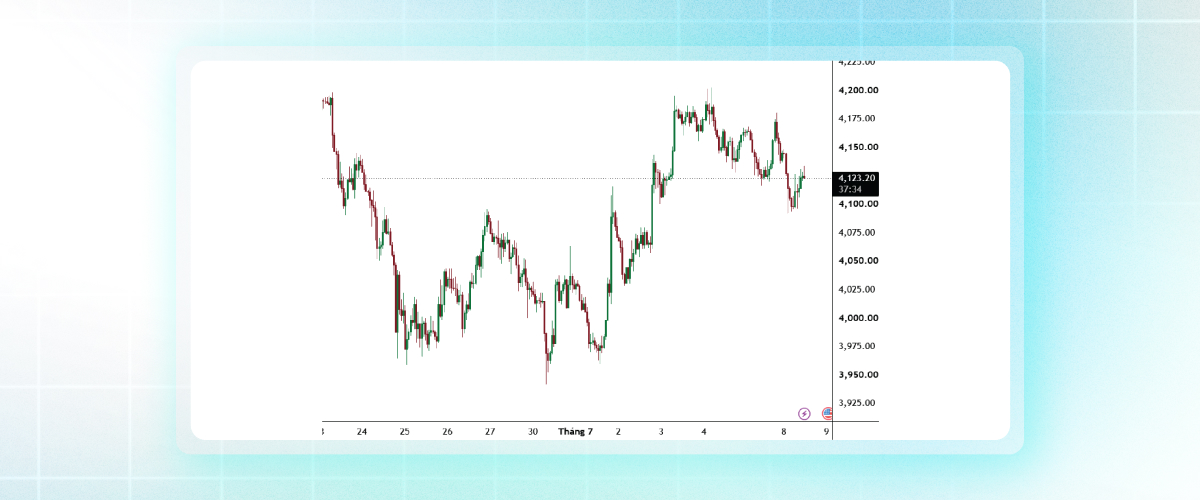
Key takeaway:
Gold weakened on 07 July as investors assessed escalating tensions in the Middle East, which pushed oil prices higher, while awaiting the release of the Fed's June meeting minutes for additional policy guidance.
Higher oil prices have reinforced inflation concerns, supporting expectations that interest rates could remain elevated for longer. That environment continues to reduce the appeal of non-yielding assets such as gold.
Separately, the People's Bank of China (PBOC) extended its gold-buying streak to a 20th consecutive month. By the end of June, China's gold reserves had increased to 75.44 million troy ounces, up from 74.96 million troy ounces a month earlier.
Technical Outlook:
Daily Bias: Bearish
Support: 4,097
Resistance: 4,181
Oil: WTI Rises on US Airstrikes and Iran Supply Risks 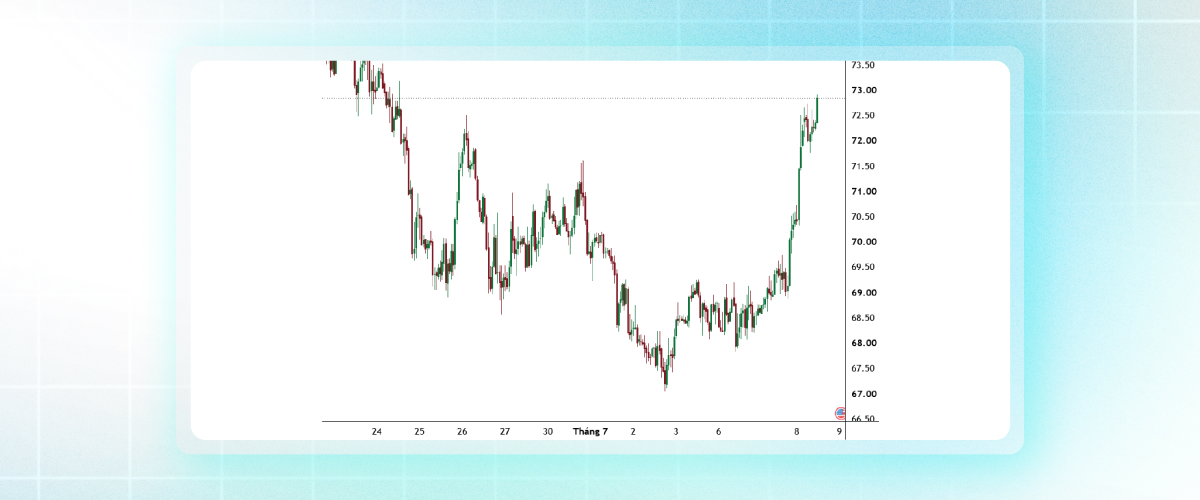
Key takeaway:
WTI crude advanced after the United States launched fresh airstrikes against Iran and revoked the sanctions waiver that had allowed Iranian oil exports to international markets.
Iran's attacks on commercial vessels transiting the Strait of Hormuz, including a Qatari LNG carrier and a Saudi oil tanker, intensified concerns over potential supply disruptions.
The latest escalation underscores the fragile nature of the temporary ceasefire between the US and Iran, despite ongoing negotiations aimed at achieving a lasting agreement, keeping geopolitical risk firmly embedded in oil prices.
Technical Outlook:
Daily Bias: Bearish
Support: 70.00
Resistance: 71.60
DXY: Dollar Firms on Hawkish Fed Signals 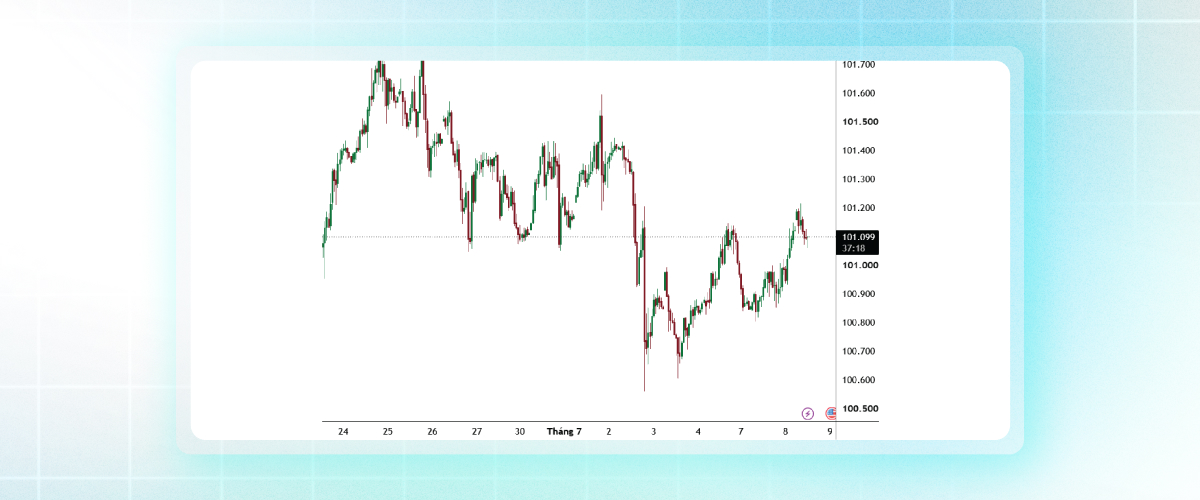
Key takeaway:
The US Dollar Index (DXY) traded around 101.00, recovering after two sessions of consolidation as investors balanced softer US labor market data against cautious comments from Federal Reserve officials.
The latest four-week average ADP employment change declined to 21,000 from 24,250, suggesting private-sector hiring continues to moderate.
However, the US dollar remained supported after New York Fed President John Williams reiterated that inflation remains too high while emphasizing that monetary policy is well positioned and future decisions will remain data dependent.
Technical Outlook:
Daily Bias: Bullish
Support: 100.80
Resistance: 101.43
EUR/USD: Euro Slips as Geopolitical Risks Support the Dollar 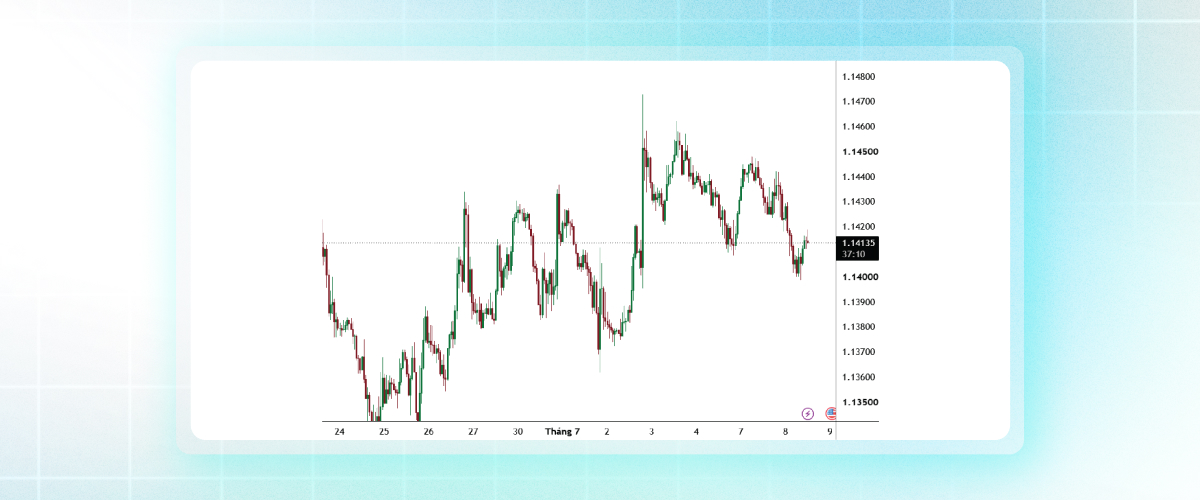
Key takeaway:
The euro remained under pressure as renewed US strikes on Iran boosted demand for the US dollar amid heightened geopolitical uncertainty.
However, bullish USD positioning remained measured, with investors reluctant to take aggressive positions ahead of the release of the June FOMC meeting minutes.
Markets currently expect the ECB to deliver one additional 25 basis point rate hike later this year, while assigning little probability to policy action at the upcoming 23 July meeting.
Technical Outlook:
Daily Bias: Bearish
Support: 1.14000
Resistance: 1.14479
USD/JPY: Japanese Yen Under Pressure as USD Extends Gains 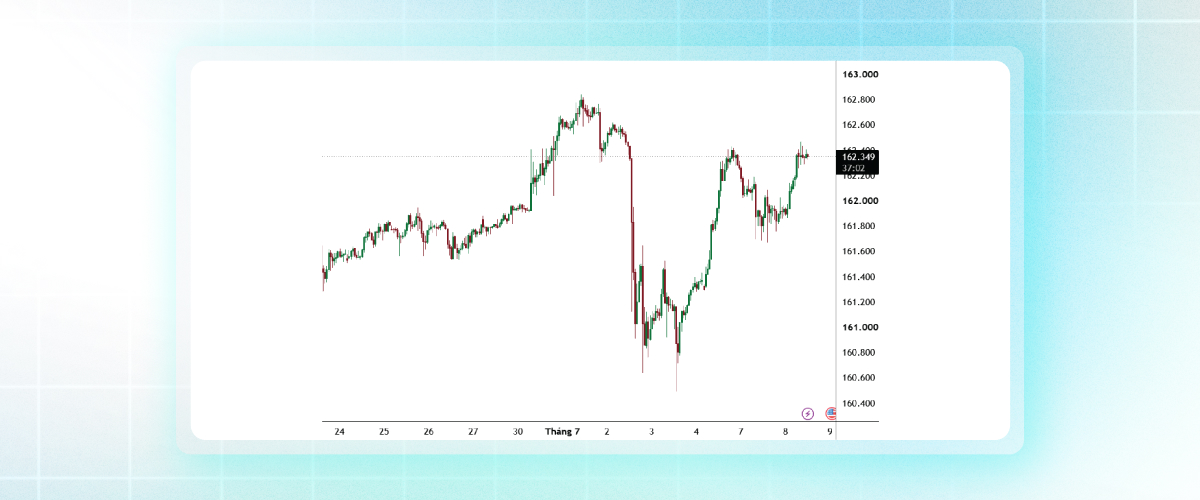
Key takeaway:
The Japanese yen remained under pressure as higher oil prices and hawkish Federal Reserve rhetoric continued to support the US dollar.
At the same time, traders remained highly alert to the risk of official intervention from Japanese authorities, which could limit further upside in the pair.
Finance Minister Satsuki Katayama reiterated that authorities stand ready to intervene at any time to support the currency and added that Japan and the United States continue to maintain close communication on foreign exchange policy.
Technical Outlook:
Daily Bias: Bearish with Rebound Potential
Support: 161.53
Resistance: 162.40
Middle East tensions remain the primary catalyst across global markets. The latest escalation lifted oil prices, reinforcing inflation concerns and supporting the US dollar, while weighing on equities and limiting demand for gold despite ongoing geopolitical risks.
Currency markets also reflected the stronger dollar theme, with pressure on both the euro and the Japanese yen, although intervention concerns continue to cap upside in USD/JPY.
Attention now turns to the June FOMC meeting minutes, which should provide greater clarity on how policymakers assess inflation risks and the likely path of US interest rates. Alongside geopolitical developments, the Fed's communication will remain the key driver of cross-asset sentiment in the near term.
If you are looking for a platform to take advantage of market volatility, CPT Markets is a compelling choice. Trade global markets on advanced trading platforms with competitive spreads, fast execution, and a seamless experience across all devices.
Whether you are a beginner or an experienced trader, trading short-term or long-term, the right platform can make the difference - Trade smarter with CPT Markets!
This content is provided for informational purposes only and does not constitute investment advice, investment recommendations, or an offer or solicitation to buy or sell any financial instrument. Trading financial products such as Forex and CFDs involves a high level of risk and may not be suitable for all investors. You may lose all of your invested capital, and in certain circumstances, losses may exceed your initial deposit. Please ensure that you fully understand the risks involved and carefully consider your financial objectives, level of experience, and financial situation before trading.


The yen is strengthening before our very eyes

US Yields Rise Despite Buybacks; Eyes on ECB Hike

US Treasury Triples Long-Term Bond Buyback Size
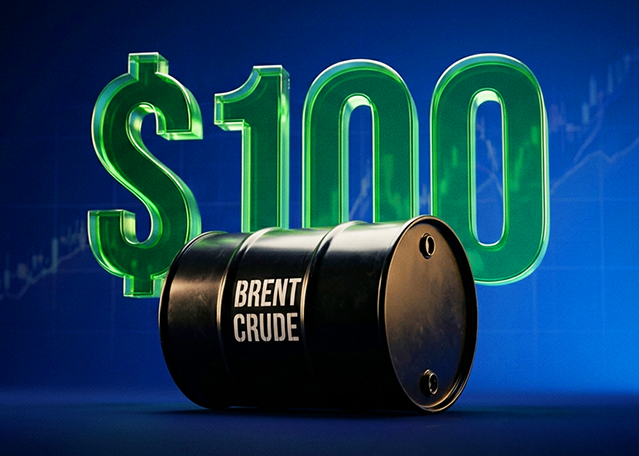
Today Fundamental Analysis: Brent Holds Around $100 Amid Fresh US-Iran Escalations

The euro is banking on the ECB

EBC Markets Briefing | Euro eyes more gains on mounting dollar debasement risks

Today Technical Analysis: Japanese Yen Hits Highest Level Against the Dollar Since February