-1162026812.png)
-1162026812.png)





Why Oil Prices Remain Under Pressure?

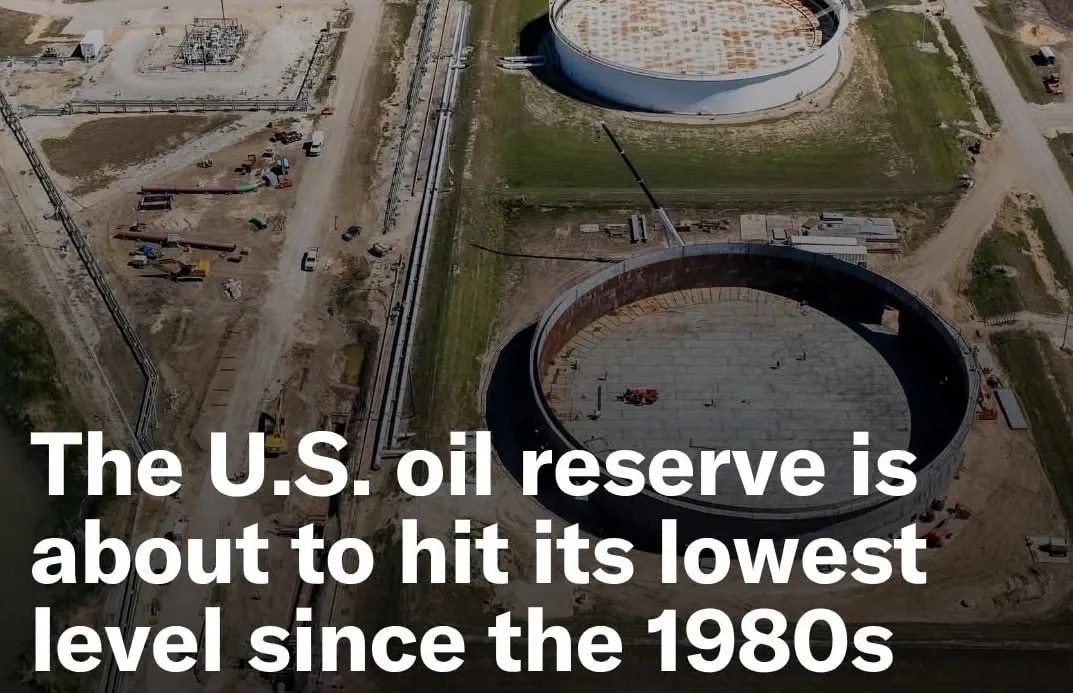
The first reason behind weaker oil prices is that the United States continues to draw heavily on its Strategic Petroleum Reserve. The obvious question is how much longer such an approach can realistically be maintained.
The second is that consumers are cutting back on fuel consumption, tempering demand across global energy markets.
The third is that oil-importing nations are, for the time being, relying on commercial inventories rather than replenishing supplies through fresh purchases.
The fourth is that major exporting countries have increased production, bringing additional barrels onto the market.
Meanwhile, China is, in effect, cushioning the global economy from a more severe energy shock, offsetting around 40% of disrupted supplies (with a further 20–25% effectively covered by US strategic reserve releases) by substantially reducing its own imports. This is entirely consistent with China's long-established approach to commodity markets: it accumulates reserves when prices are low and scales back purchases when prices become elevated.
China's average crude import price stood at $110 per barrel, comfortably below the previous month's Brent average of $117 per barrel. Rather than chasing expensive cargoes, Chinese buyers have remained disciplined, selectively purchasing lower-priced barrels available in the market.
The present weakness in oil prices appears to reflect a temporary rebalancing of supply and demand rather than any fundamental surplus of crude. Strategic reserve releases in the US, softer fuel consumption, the use of commercial stockpiles and increased exports are all suppressing prices, yet each of these factors is inherently finite and unlikely to provide a lasting solution.
As strategic reserves diminish and major importers—particularly China—resume more typical purchasing patterns, the market balance could shift rather swiftly. Should geopolitical tensions persist and global demand remain resilient, today's comparatively subdued oil prices may ultimately be remembered not as a new equilibrium, but as a brief interlude before the next significant advance in the energy market.


Dollar struggles to gain ahead of US inflation data, yen extends rally

EBC Markets Briefing | Crude prices on solid footing amid deep supply concerns

The yen is strengthening before our very eyes

The Inflation Measure Keeping the Fed Cautious

US Yields Rise Despite Buybacks; Eyes on ECB Hike

Bitcoin edges lower for a 4th day, capped by the 50-week MA

GBPUSD (4H) recovery holds above 1.3550, 100-SMA remains key hurdle