-1162026812.png)
-1162026812.png)





🛢 OIL | TRUMP’S BARREL PROBLEM💥

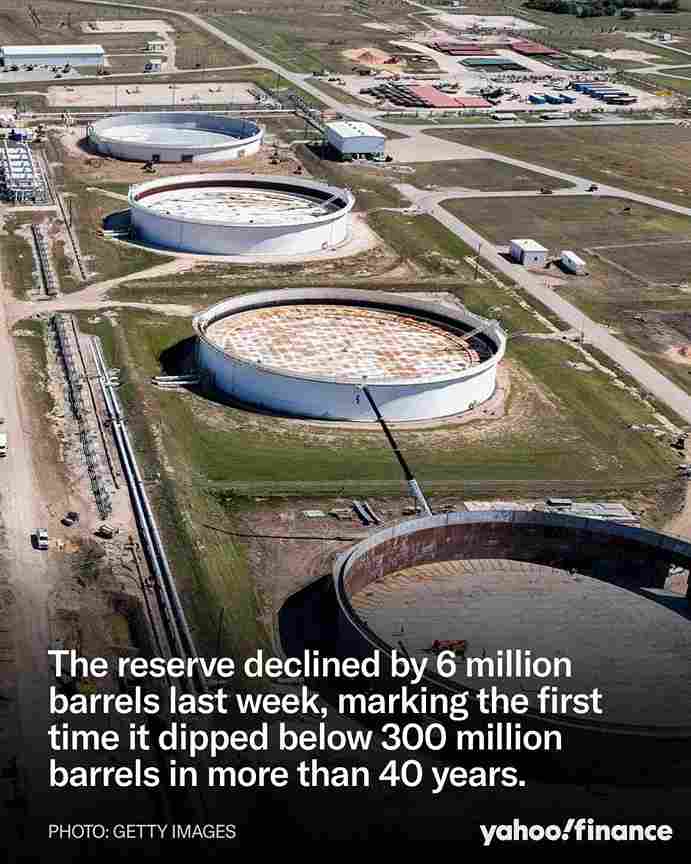 The US strategic oil reserves have fallen below 300 million barrels for the first time in 43 years.
The problem is that increasing domestic production is difficult, while ramping up output in Venezuela is neither straightforward nor quick. US oil companies themselves remain reluctant to commit substantial capital to new Venezuelan production.
According to Axios, no new oil development deals have been signed with Venezuela in the eight months since Maduro was removed. That leaves Trump increasingly frustrated with Iran: the administration had placed considerable hopes on securing easier access to additional barrels, but so far, those expectations have delivered little.
The rare-earths agreement is another problem, with some of Ukraine’s most important mineral resources located closer to the east of the country.
With less than three months until the Congressional elections, Trump needs tangible progress on at least one of these two fronts — preferably both. Neither, however, offers an easy or immediate solution.
🛢 The latest IEA oil-market report hardly makes the picture more comfortable. The agency has cut its 2026 global oil-demand forecast, expecting demand to decline by 1.6 million bpd to 103.3 million bpd. More importantly, its production outlook has deteriorated further, with output expected to fall by 4.27 million bpd to 102.02 million bpd. In other words, weaker demand is only half the story: under these estimates, supply is contracting considerably faster. That creates a very different pricing dynamic.
📊 Global oil supply rose by 2.4 million bpd in July, but there is little room for complacency. The IEA sees further supply growth as increasingly vulnerable to geopolitical disruption. That brings the market straight back to Iran, the Strait of Hormuz and the limited ability to replace lost barrels quickly. With the US SPR already below 300 million barrels, Washington also has less room to use strategic reserves as a continuing buffer against higher oil prices.
⚠️ The result is an unusual imbalance: oil is currently trading politics as much as traditional supply and demand. Looking into 2027, the IEA still expects a substantial surplus, with global supply exceeding demand by around 4.61 million bpd. That is a significant longer-term bearish factor. The difficulty is getting there: if current geopolitical constraints persist, the market could face a near-term shortage while simultaneously pricing a sizeable surplus further ahead.
🔥 Bottom line: cheaper oil is becoming a political necessity for Trump, not merely an economic preference. The elections are approaching, the SPR has been heavily drawn down, Venezuela is not providing a quick solution, and Iran retains considerable influence over the world’s most important oil transit route. Washington therefore needs either meaningful progress around Hormuz or another source of readily available barrels — ideally both. The IEA sees excess oil longer term. The market sees a shortage of reliable barrels today. That tension is precisely what makes the current oil market particularly dangerous for sellers.


Brent has soared above $100. Is this just the beginning?
Today Fundamental Analysis: Brent Holds Around $100 Amid Fresh US-Iran Escalations

S&P 500 Stepped From Record Highs, but Market Breadth Is Flashing a Warning 💥

Bitcoin: the golden cross signals an uptrend, but not right away

US Inflation Data and Elevated Asset Valuations — Nasdaq, S&P 500 and Gold

China50 Tests 14,600 Resistance as Investors Await Inflation Data

Dollar slips, yen surges as Middle East tensions escalate