





A-Book vs B-Book Brokers: How Execution Models Shape Forex Trading

A broker’s execution model is one of the most important factors in forex trading. It affects how orders are handled, where liquidity comes from, and how revenue is generated.
In the industry, the main models are A-Book, B-Book, and hybrid execution. An A-Book broker routes client orders to external liquidity providers. A B-Book broker internalizes orders and may act as the counterparty. A hybrid broker combines both approaches depending on trade size, client profile, or risk conditions.
Each model has its own logic. The real issue is not whether a broker uses A-Book or B-Book execution, but how transparent that structure is. Regulation, pricing consistency, withdrawal reliability, and execution quality are usually more important than the label itself.
For traders, the most relevant questions are practical ones: Are spreads stable? Is slippage consistent? Are orders processed fairly? Does the broker disclose its execution policy clearly? These factors often have a greater impact on trading outcomes than the broker’s marketing description.
For introducing brokers, the execution model also matters because it can influence rebate stability, long-term partnership risk, and client retention. That makes broker structure an operational concern, not just a technical one.
Rock-West operates with an A-Book execution model, routing client orders to external liquidity providers rather than internalizing them. This approach is designed to align broker revenue with trading activity rather than trading outcomes.
In a market where execution quality matters, transparency remains the most important standard.
www.rock-west.com


Brent has soared above $100. Is this just the beginning?
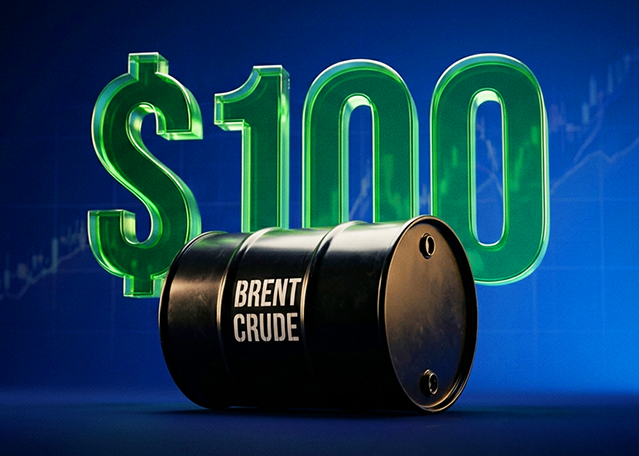
Today Fundamental Analysis: Brent Holds Around $100 Amid Fresh US-Iran Escalations

S&P 500 Stepped From Record Highs, but Market Breadth Is Flashing a Warning 💥

Bitcoin: the golden cross signals an uptrend, but not right away

US Inflation Data and Elevated Asset Valuations — Nasdaq, S&P 500 and Gold

China50 Tests 14,600 Resistance as Investors Await Inflation Data

Dollar slips, yen surges as Middle East tensions escalate