-1162026812.png)
-1162026812.png)





Apple: Why Does the Market So Often Sell the News?


Apple (#AAPL) shares have developed something of a tradition: they frequently come under pressure during the company's annual Worldwide Developers Conference (WWDC). The explanation is rather straightforward. Investors tend to price in optimism well in advance, making the event a classic example of "buy the rumor, sell the fact". Even the most impressive announcements are rarely enough to exceed already elevated expectations, encouraging many to take profits once the headlines arrive.
This year, Apple introduced the next generation of its AI platform, an enhanced Siri, faster operating systems including iOS 27 and macOS 27 Golden Gate, together with broader artificial intelligence integration across its ecosystem. Yet the market is increasingly focused not on innovation itself, but on the pace at which it can be translated into meaningful earnings growth. In the current AI race, investors are looking for commercial impact rather than technological ambition, leaving little room for disappointment.
From a longer-term perspective, however, the picture remains rather compelling. If Apple's latest AI capabilities stimulate a fresh upgrade cycle and strengthen its high-margin services business, the present weakness may prove to be little more than a routine post-event pullback. With one of the strongest balance sheets in corporate America, exceptional free cash flow and an ongoing share buyback programme, Apple has repeatedly demonstrated an ability to turn short-term skepticism into long-term shareholder value. Historically, WWDC sell-offs have often been remembered not as the beginning of a decline, but as attractive entry points for patient investors.Trade smart with Headway

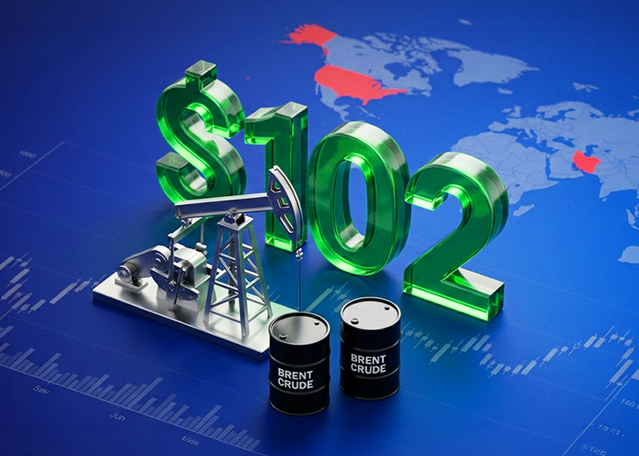
Today Fundamental Analysis: Oil Breaks Above $102 as Middle East Tensions Continue to Escalate
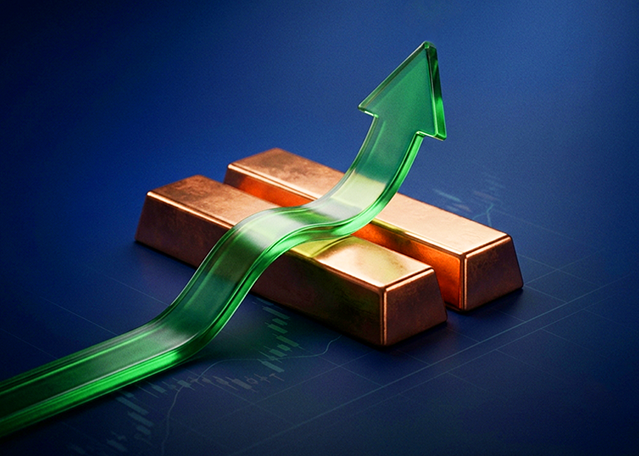
Today Technical Analysis: Copper Approaches Record Highs on Surging Demand

Dollar struggles to gain ahead of US inflation data, yen extends rally
EBC Markets Briefing | Crude prices on solid footing amid deep supply concerns

The yen is strengthening before our very eyes

The Inflation Measure Keeping the Fed Cautious

US Yields Rise Despite Buybacks; Eyes on ECB Hike