





Bitcoin and FOMO in 2025

In 2025, Bitcoin reached an important milestone as institutional capital flowing through spot Bitcoin ETFs became impossible to ignore. This flow of capital not only pushed prices higher but also triggered clear signs of FOMO (Fear of Missing Out), where investors made decisions based more on crowd behavior than on fundamental or technical analysis.
How FOMO appears in the market
In practice, FOMO does not show up as a single indicator. Instead, it is observed through a combination of signals:
- Unusual ETF & ETP inflows or outflows within a short period
- Overheated positioning as many traders use leverage in the same direction
- Trading volume surging well above its average level
- Rapid funding rate fluctuations, reflecting a sharp increase in the cost of holding positions.
ETF flows in October 2025
October 2025 saw strong ETF inflows during the first days of the month:
- October 3: approximately $985 million in Bitcoin ETF inflows
- October 6: Spot Bitcoin ETFs received around $1.21 billion in inflows
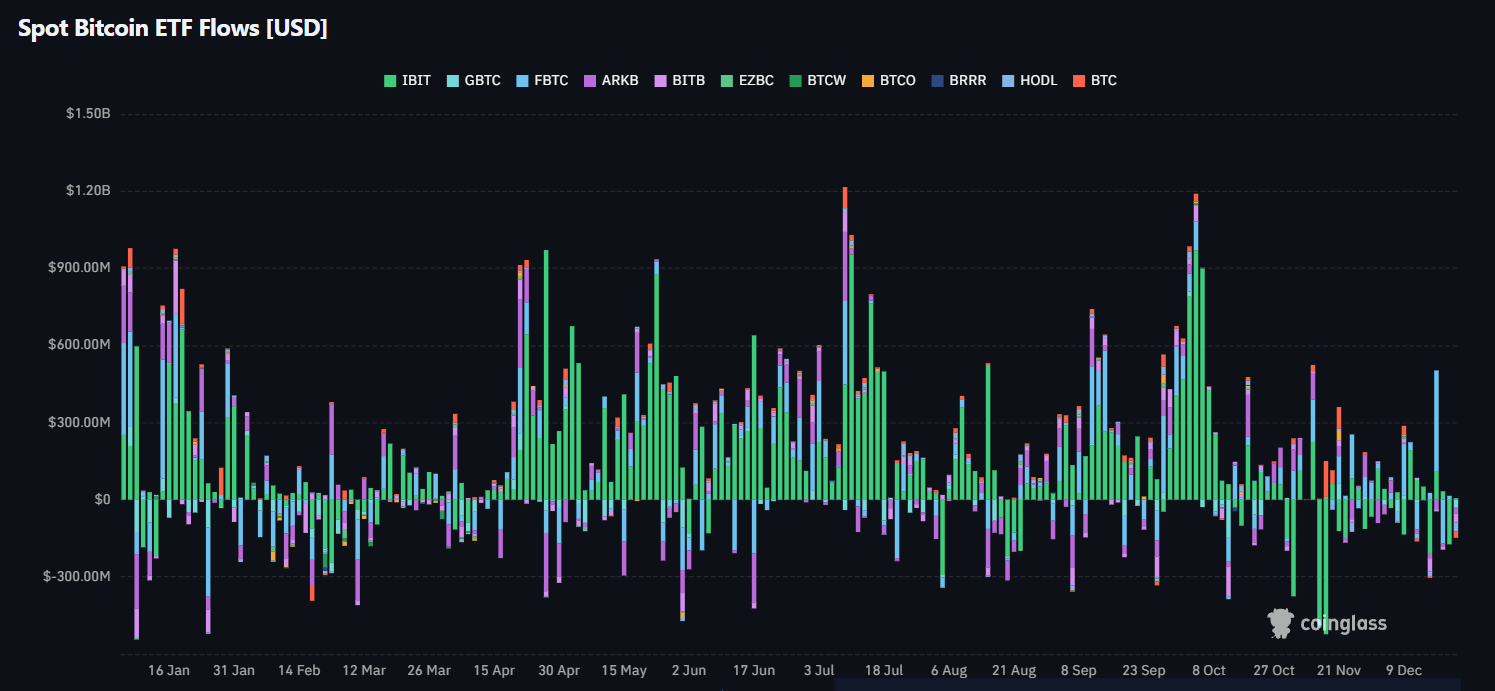
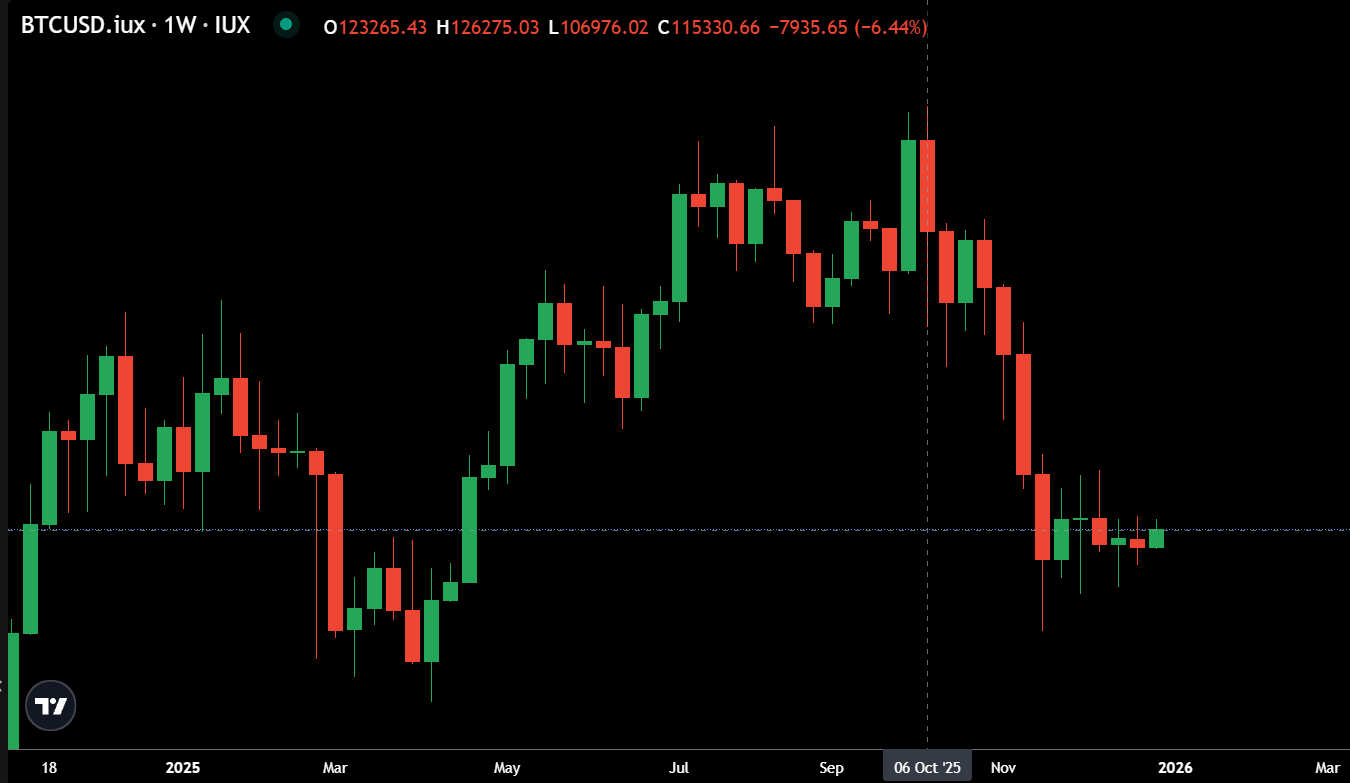
Supported by this capital, Bitcoin set a peak around the $126,000 level.
Open Interest, funding rates, and market behavior
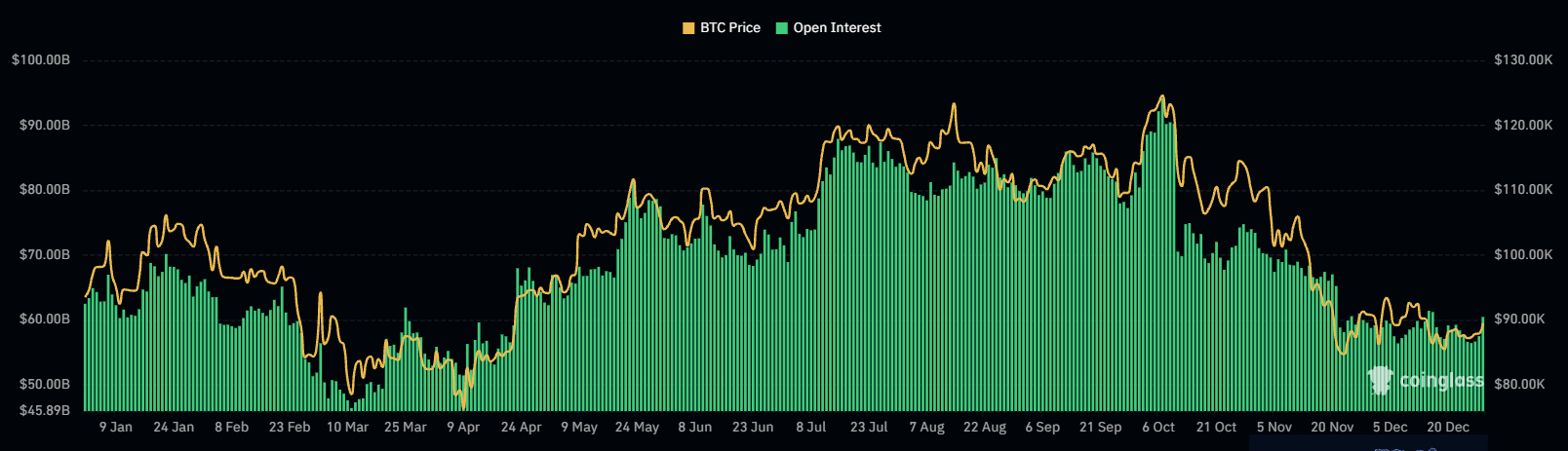
At the same time, Bitcoin futures open interest across major derivatives exchanges such as CME, Binance, and Bybit rose sharply. This indicated that leveraged speculative capital was entering the market aggressively, a typical sign that FOMO was spreading from institutional flows to broader market participants.
Throughout October, funding rates became highly volatile. Positive funding spikes appeared frequently before turning negative. The sharp rise in long funding costs over a short period reflected traders chasing price moves rather than building planned, long-term positions.
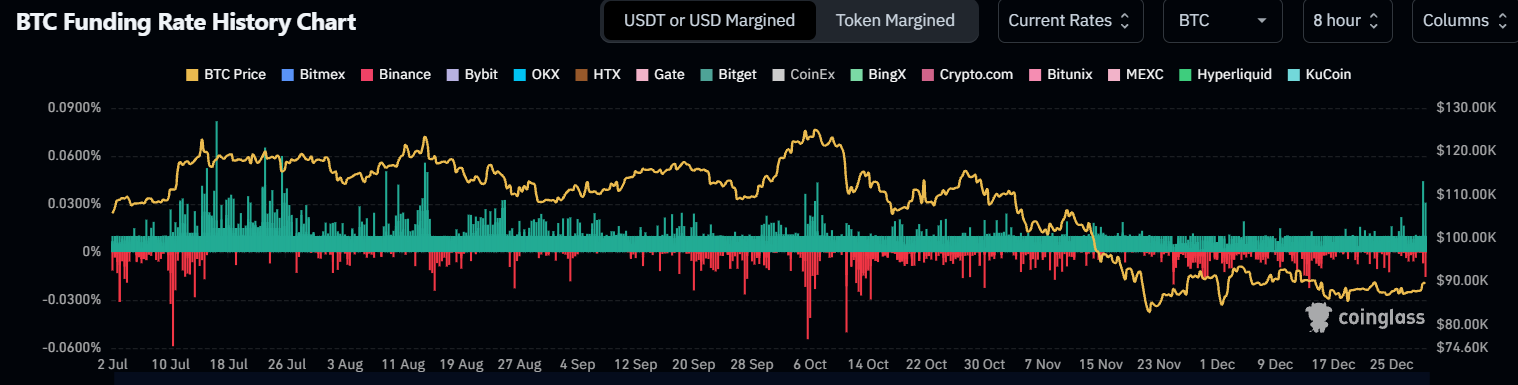
When ETF inflows, open interest, and funding rates are viewed together, the FOMO process becomes clear: institutional capital initiated the trend, while leverage in the derivatives market amplified price movements driven by emotion.
A social signal rather than a technical one
FOMO is not only visible in market data. As media headlines focused on large ETF inflows, new Bitcoin price highs, and bullish forecasts, the market entered a phase of “buying because everyone else is buying.” This often happens near market tops, when risk-reward deteriorates but capital continues to flow in due to fear of being left behind.
Bitcoin after the FOMO phase
After peaking in early October 2025, ETF flows began to show multiple days of outflows or capital rotation between funds, signaling hesitation among large investors. As institutional buying slowed and profit-taking increased, the market lost its most important source of support.
Bitcoin futures open interest dropped sharply, from approximately $95 billion to around $70 billion. This suggested widespread position closures and liquidations, with long positions being more affected. Funding rates also cooled quickly, falling from very high positive levels and indicating that long traders could no longer sustain the high cost of holding positions during the FOMO phase.
As a result, Bitcoin corrected deeply into the $83,000–$86,000 support zone. This move was not just a technical pullback but a market “reset,” where leverage was flushed out and excessive optimism was priced out.
Key takeaways for traders
The October 2025 FOMO is a clear case study of how markets respond to excessive optimism. Real opportunities rarely appear at FOMO peaks around $120,000. Instead, they tend to emerge after open interest collapses, funding rates normalize, and weaker hands are forced out of the market.
In such conditions, the advantage belongs to those who observe while the market is euphoric and act only after leverage has been cleared.


Today Fundamental Analysis: Oil Breaks Above $102 as Middle East Tensions Continue to Escalate

Today Technical Analysis: Copper Approaches Record Highs on Surging Demand

Dollar struggles to gain ahead of US inflation data, yen extends rally

EBC Markets Briefing | Crude prices on solid footing amid deep supply concerns

The yen is strengthening before our very eyes

The Inflation Measure Keeping the Fed Cautious

US Yields Rise Despite Buybacks; Eyes on ECB Hike