-1162026812.png)
-1162026812.png)





Bond Markets Are Becoming Trump’s Real Red Line

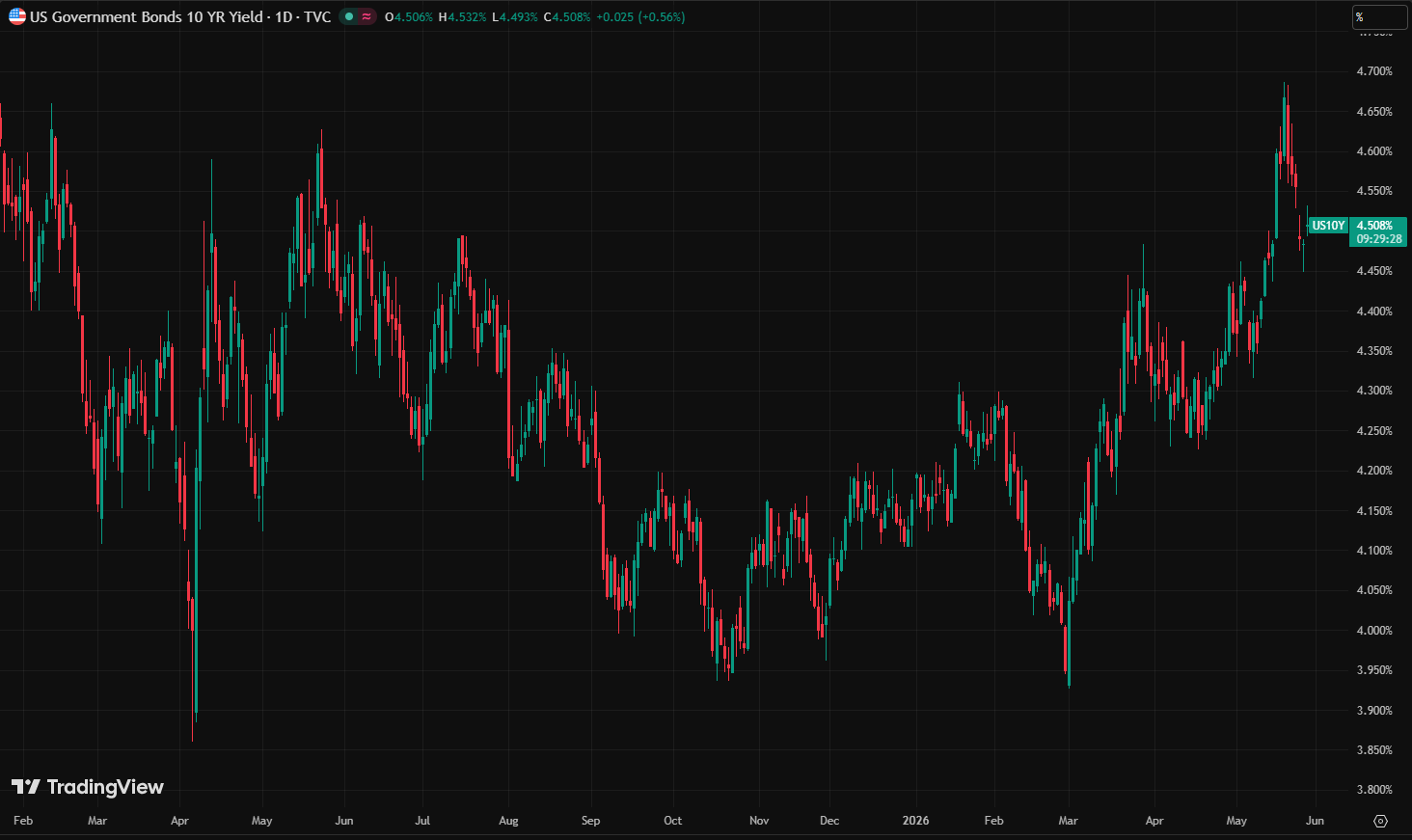
Markets sharply appear to be treating the 10-year US Treasury bonds' yield around the 4.5% mark as something of a political “red line” for Donald Trump. Each time yields begin drifting dangerously towards 4.7%, the White House seems rather suddenly to alter its tone and attempt to calm matters — whether through tariffs, foreign policy, or developments in the Middle East. One increasingly gets the sense that the bond market is now exerting considerably more pressure upon the administration than equities themselves. Elevated yields automatically imply more expensive debt servicing, greater strain upon property markets, banks, and public finances — but perhaps most importantly, they threaten the broader narrative of a strong economy and perpetually rising share prices. That is precisely why Trump’s remarks regarding a “largely negotiated” agreement with Iran were interpreted by many not so much as a genuine diplomatic breakthrough, but rather as an attempt to cool oil prices swiftly and steady the debt market.
The difficulty, however, is that markets now seem rather less willing to respond enthusiastically to such tactical pauses than they once were. Investors recognize that these arrangements remain temporary and may simply represent attempts to buy time ahead of what could prove a rather difficult summer for global energy markets. If the present trajectory of worldwide oil inventories persists, June and July may indeed bring the risk of a considerably tighter supply backdrop — at which point inflationary pressures could accelerate sharply once again. Against that backdrop, this morning’s limited exchange of strikes between Iran and Israel, together with Israel’s operation in southern Lebanon, appears particularly uncomfortable for bond markets. Treasury yields are still hovering near the 4.50% threshold, though one cannot help feeling that this level has now become the principal barometer of how long markets remain prepared to believe in the prospect of a controlled de-escalation and a relatively soft landing for the global economy.Trade smart with Headway

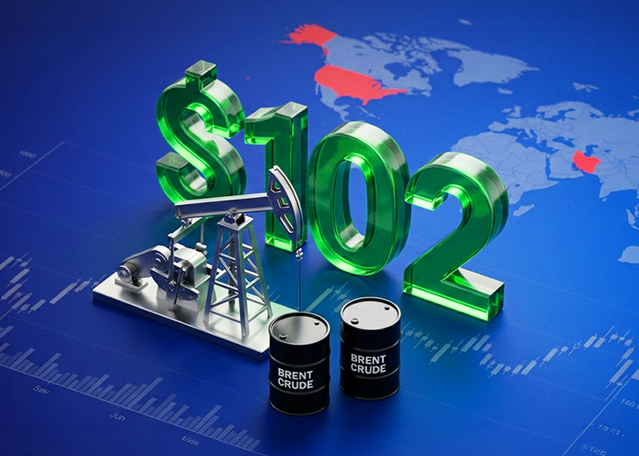
Today Fundamental Analysis: Oil Breaks Above $102 as Middle East Tensions Continue to Escalate

Today Technical Analysis: Copper Approaches Record Highs on Surging Demand

Dollar struggles to gain ahead of US inflation data, yen extends rally
EBC Markets Briefing | Crude prices on solid footing amid deep supply concerns

The yen is strengthening before our very eyes

The Inflation Measure Keeping the Fed Cautious

US Yields Rise Despite Buybacks; Eyes on ECB Hike