-1162026812.png)
-1162026812.png)





Commodities and the US Inflation: A Growing Disconnect

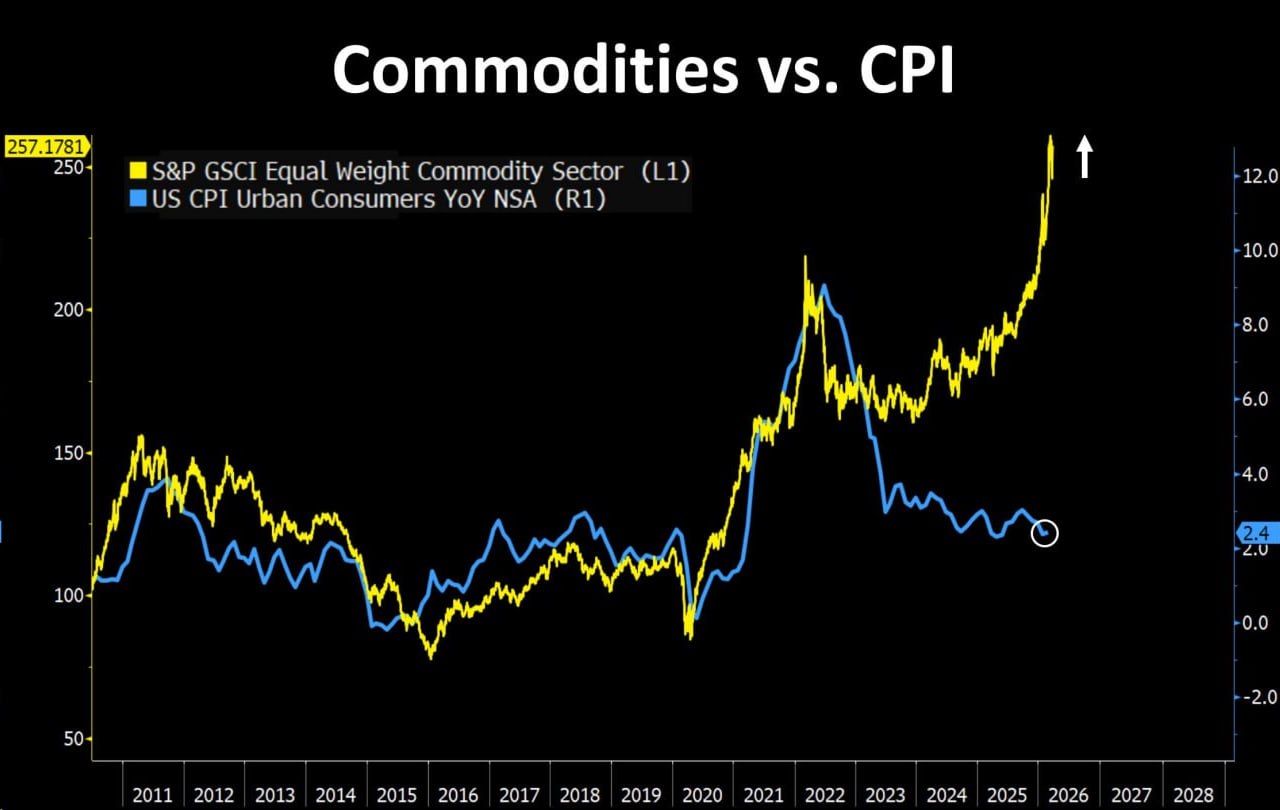
Historically, commodity price movements have displayed a strong positive correlation with the US inflation, often serving as a leading indicator of broader price pressures. However, more recently, this relationship has diverged. Commodity markets remain elevated and volatile, whilst inflation has moderated more quickly than anticipated, suggesting a breakdown in the traditional transmission mechanism.
One possibility is that this divergence proves transitory. Should commodity strength persist, the delayed pass-through effects may yet materialize, especially within services and transport components. In such a scenario, inflation could stabilize above target, requiring the Fed to maintain a restrictive stance for longer.
Alternatively, structural factors may be dampening the pass-through. Improved supply chain resilience, and softer demand dynamics could be limiting the extent to which higher input costs feed into final prices. Under these conditions, inflation would continue to ease despite commodity volatility, allowing for a more measured policy normalization.
In sum, the weakening of the traditional commodity–inflation relationship adds a layer of complexity to the outlook. The Federal Reserve must now place greater weight on second-round effects and expectations, increasing the likelihood of both policy lag and forecast error.


Brent has soared above $100. Is this just the beginning?
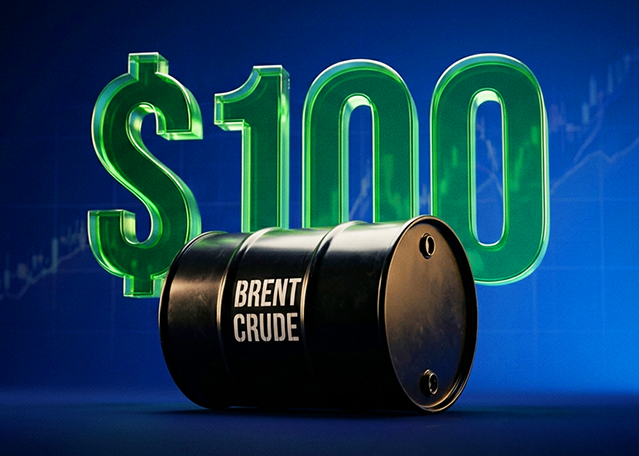
Today Fundamental Analysis: Brent Holds Around $100 Amid Fresh US-Iran Escalations

S&P 500 Stepped From Record Highs, but Market Breadth Is Flashing a Warning 💥

Bitcoin: the golden cross signals an uptrend, but not right away

US Inflation Data and Elevated Asset Valuations — Nasdaq, S&P 500 and Gold

China50 Tests 14,600 Resistance as Investors Await Inflation Data

Dollar slips, yen surges as Middle East tensions escalate