





Dollar fails to capitalize on Middle East deadlock

Middle East tensions persist
Risk assets are desperately looking for a breather after US equity indices posted losses in Tuesday’s session and Asian stock markets remained under selling pressure earlier today. The main culprit for this persistent risk-off reaction is developments in the Middle East. Negotiations between the US, Oman and Iran have stalled, potentially reaching a dead-end mostly due to the varying demands from the Iranian side, as US President Trump remains adamant that the US controls the Strait of Hormuz.
While the chances of fresh military operations are steadily rising, the latest move in the chess game between the US, Iran and the regional protagonists could prove a decisive one. The UAE announced a complete halt of dealings with Iran. The importance of this announcement cannot be understated as the UAE is Iran’s biggest trading partner for non-oil products and serves as a key logistic and financial hub for Iranian businesses.
While Qatar and Oman have closer political ties with Iran, the UAE can successfully cause the economic asphyxiation that Trump has been aiming for in order to force Iran to accept US demands for reopening the Hormuz and ending the conflict. On the other hand, this announcement could potentially increase Iran’s aggression, with the UAE being targeted more actively than in previous episodes.
Oil edges higher but the dollar is mostly unchanged
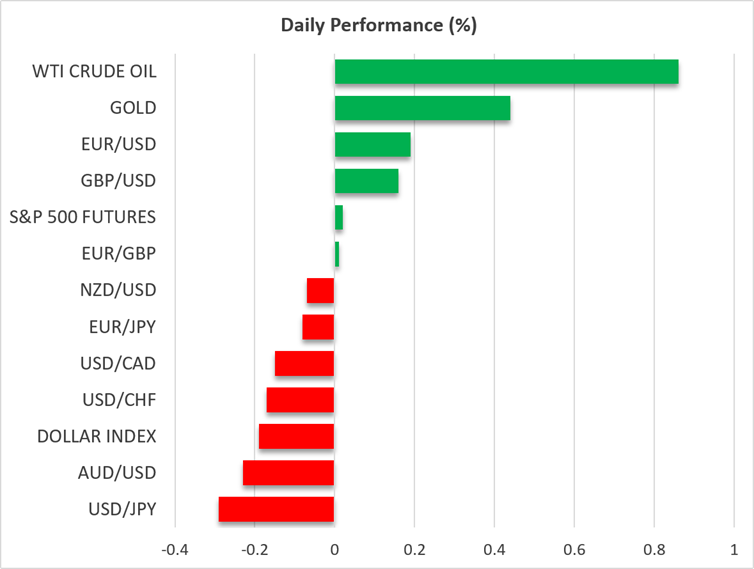
Unsurprisingly, oil prices are edging higher towards $86, but movements are rather muted, which means that there is still a degree of optimism about a peaceful solution. However, the December 2026 WTI oil futures contract is trading above its late-July peak, clearly reflecting increased uncertainty about the medium-term outlook.
Quite interestingly, the US dollar remains mostly on the back foot, an interesting reversal from previous Middle East escalation episodes that proved quite beneficial for the greenback. At the time of writing, euro/dollar is climbing towards the 1.1600 region, with euro bulls potentially preparing to test the resistance set by the 200-day simple moving average (SMA) at 1.1625. Similarly, the yen is finally trying to benefit from the dollar weakness. The pair remains north of 159, with almost half of the late-July intervention-induced decline having reversed. The next key support level is the 200-day SMA at 158.31.
This dollar underperformance, along with lower bond yields, could also be interpreted as a sign of gradually improving risk appetite. US equity indices have been losing ground since Friday, with the trigger being the weak retail sales report, but movements have been relatively limited in both the S&P 500 and Nasdaq 100 indices. That said, the latest survey from a US-based investment bank reveals extreme equity allocations among fund managers, which could limit the upside in the short-term, while three out of four managers do not expect a Fed rate hike ahead of the November 3 US midterm elections.
With the chances of a September hike hovering around 30%, the focus today shifts to the minutes of the July 29 FOMC meeting. A lot of water has flown under the bridge since then – softer nonfarm payrolls and inflation reports – but it will be interesting to see how determined the hawks were to convince the remaining FOMC members into supporting a hike. A hawkish set of minutes could nudge the September hike bets higher, but only Warsh and incoming data could really tip the balance in favour of such a move in four weeks’ time.
Mixed UK data, US-Canada tariff deadline extended
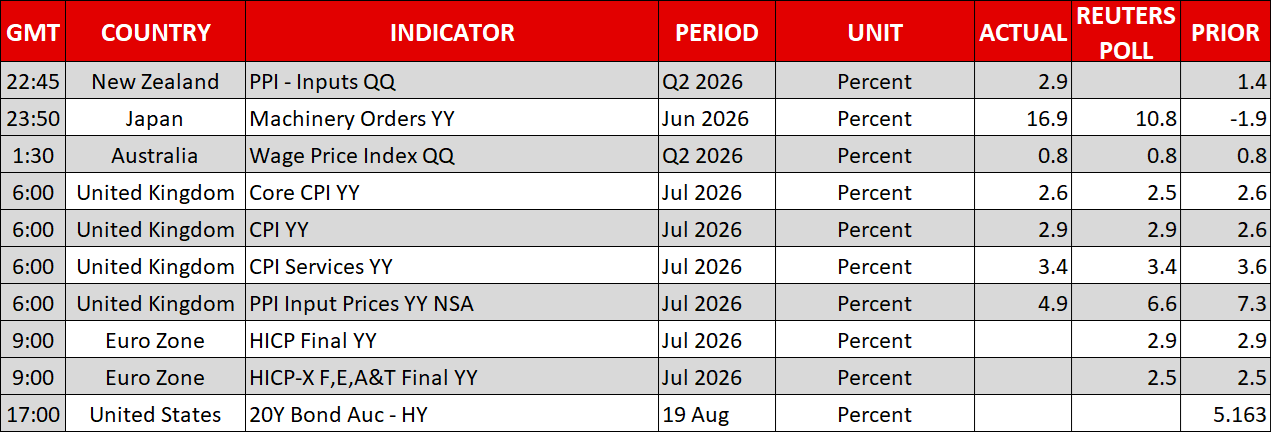
The UK July CPI report did not hold any major surprises despite the core indicator remaining stable at 2.6% and thus defying forecasts for a small deceleration. Interestingly, PPI figures weakened, potentially opening the door to further deceleration in consumer inflation down the line, which is music to the ears of BoE doves. Pound/dollar is steadily approaching the upper boundary of its 15-month trading range, although a similar move fell short on July 15 when Warsh remained hawkish despite the softer July CPI and PPI reports.
Finally, the loonie is weakening today, reversing overnight gains after Trump announced a three-day extension to the tariff deadline. While a US-Canada trade agreement could remove a significant headwind for the loonie, the finer details of such an agreement are critical in predicting the loonie’s next move.

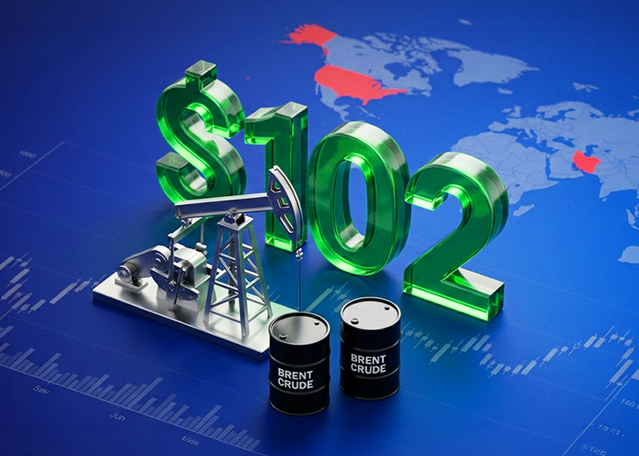
Today Fundamental Analysis: Oil Breaks Above $102 as Middle East Tensions Continue to Escalate

Today Technical Analysis: Copper Approaches Record Highs on Surging Demand

Dollar struggles to gain ahead of US inflation data, yen extends rally

EBC Markets Briefing | Crude prices on solid footing amid deep supply concerns

The yen is strengthening before our very eyes

The Inflation Measure Keeping the Fed Cautious

US Yields Rise Despite Buybacks; Eyes on ECB Hike