





Dollar muted despite upbeat NFP, Mideast tensions lift oil


US CPI takes centre stage after NFP beat
Expectations for a September rate hike by the Fed were bolstered on Friday following a sharp bounce back in US payrolls in August. The US economy added 162k jobs, far more than the 56k expected, while July’s number was revised higher from a negative read to 21k.
Although the unemployment rate remained unchanged at 4.1%, the latest data eases any concerns around the labour market, weakening the case for the Fed to wait longer before raising interest rates.
Yet, investors didn’t significantly alter their outlook, pushing up the odds for a 25-bps hike next week to just under 57% from around 50%. Friday’s CPI figures for August are seen as being more decisive in determining which way policymakers will vote at the September meeting.
A hot inflation report on the back of the strong jobs data would likely tip the balance in favour of a hike, while any moderation in core CPI would push back bets to December.
Yen hits 7-month high as dollar stays on backfoot
With everything now resting on the CPI data, the US dollar could only manage a brief spike on Friday before pulling back, even though Treasury yields enjoyed a more notable lift. The greenback has been on the backfoot since last Wednesday when the Japanese yen unexpectedly reversed higher.
The yen is extending its gains today, rallying more than 1% against the dollar and breaching the 155 mark for the first time since February.
Hawkish commentary from Bank of Japan officials as well as reasonably solid data out of Japan have boosted September rate hike expectations to 75%. The strong desire by the US Treasury Department to prevent the dollar strengthening past 160 yen is a big part of this turnaround, as this has put pressure on the Japanese government to drop its opposition to BoJ rate increases.
In a further indication of Prime Minister Takaichi’s shift in stance, one of her advisors hinted today that the BoJ will likely raise rates in September and then again in January. There’s also speculation that the country’s Government Pension Investment Fund is about to start allocating more funds to domestic assets, leading to yen repatriation.
Euro steady after AfD win, gold slips
The dollar struggled against other currencies too. The Australian dollar climbed to four-month highs above $0.72 after China announced it will inject more than $50 billion into state-owned banks and insurers to boost lending.
Meanwhile, the euro shrugged off Germany’s political troubles after the far-right AfD party won state elections in Saxony-Anhalt in a historic victory. Perhaps the party failing to win an outright majority was of some comfort to investors but most likely, it is the expectation that the European Central Bank will hike interest rates for a second time on Thursday that’s propping up the euro.
The single currency was last trading at $1.1622.
Doubts about a September Fed rate rise aren’t the only thing weighing on the dollar. There are renewed worries about the Fed’s independence after President Trump on Friday issued a new threat to stop trading with countries that the US has a deficit if the Fed doesn’t cut rates to the lowest in the world.
Surprisingly though, gold was unable to capitalize on the dollar’s woes and slid for a second day, falling to around $4,410.
Oil supported by more US-Iran tensions
Oil prices remained elevated on Monday amid fresh hostilities in the Middle East. The US military struck three Iranian oil tankers on Saturday in retaliation for missile attacks on two American navy warships by Iran.
With the Trump administration still refusing to talk to Tehran unless all ship attacks in the Strait of Hormuz stop, an end to the war doesn’t appear to be in sight. In the meantime, Iran has announced it will set up a restricted zone around the Hormuz Strait, making negotiations even less likely.
Both WTI and Brent crude futures are trading at one-and-a-half-month highs, raising the prospect of persistent price pressures from high energy prices.
Quiet start for stock markets
In equity markets, sentiment is mixed at the start of the week. Wall Street ended Friday slightly lower ahead of the long holiday weekend. But some optimism around AI is supporting risk appetite today.
Chip stocks are gaining on hopes that OpenAI’s next generation technology GPT-6 will help sustain demand for AI infrastructure.
South Korea’s KOSPI finished the session up 4.6%, led by a surge in SK Hynix and Samsung stocks, but trading in Europe is subdued amid the US Labor Day holiday.


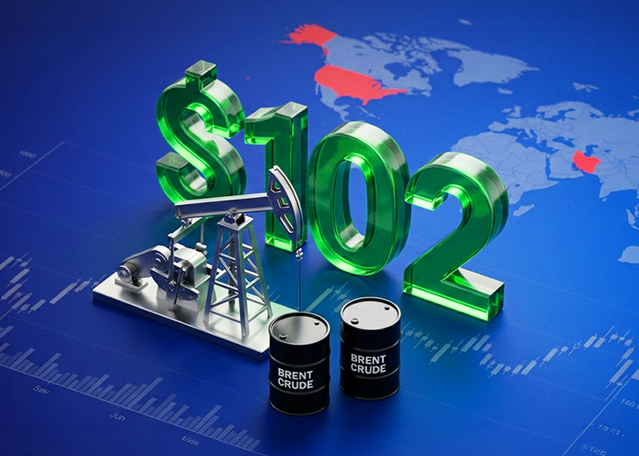
Today Fundamental Analysis: Oil Breaks Above $102 as Middle East Tensions Continue to Escalate

Today Technical Analysis: Copper Approaches Record Highs on Surging Demand

Dollar struggles to gain ahead of US inflation data, yen extends rally

EBC Markets Briefing | Crude prices on solid footing amid deep supply concerns

The yen is strengthening before our very eyes

The Inflation Measure Keeping the Fed Cautious

US Yields Rise Despite Buybacks; Eyes on ECB Hike