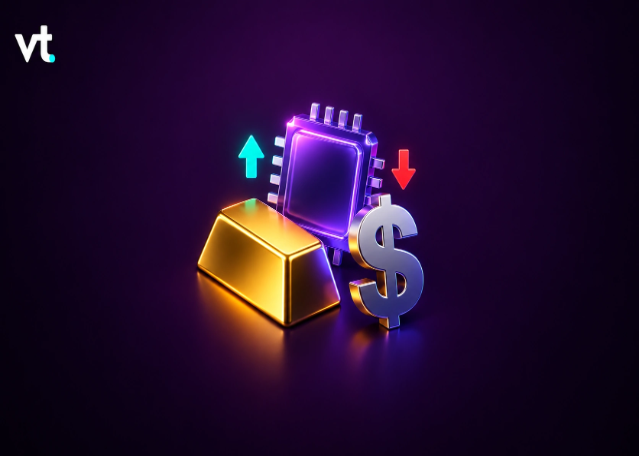





Dollar or Gold? Two Assets in Focus for the Second Half of 2026

Global financial markets are entering the second half of 2026 with increasing attention on two major assets: the U.S. dollar and gold. Following the release of U.S. employment data that indicated relatively resilient labor market conditions, market participants have been reassessing monetary policy expectations and their potential implications across asset classes.
At the same time, gold continues to attract attention due to several structural factors that have supported demand, including central bank purchases and ongoing geopolitical uncertainty in various regions.
Rather than identifying a clear “winner,” many analysts are focusing on how evolving economic conditions may influence both assets in the months ahead.
The U.S. Dollar and Monetary Policy Expectations
Recent economic data from the United States have contributed to changing market expectations regarding the next steps by the Federal Reserve. According to Federal Reserve communications, monetary policy decisions remain dependent on incoming data, particularly inflation trends and labor market conditions.
Historically, expectations of higher interest rates have often been associated with a stronger U.S. dollar. However, this relationship is not always straightforward, as currency movements can also be influenced by broader factors such as global economic conditions, risk sentiment, and the policies of other major central banks.
Factors Being Monitored in the Gold Market
Gold remains an asset closely monitored by institutional investors and central banks. Reports from various market research organizations suggest that central bank gold purchases have remained a significant theme in recent years.
Historically, gold has often been associated with periods of economic uncertainty, geopolitical tensions, or shifts in interest rate expectations. However, these relationships can vary over time and may be influenced by a range of market conditions.
In addition, gold prices are frequently affected by movements in the U.S. dollar and U.S. Treasury yields.
Scenarios Currently Being Observed by Market Participants
Market participants are monitoring several possible scenarios that could influence both the U.S. dollar and gold during the second half of 2026.
If inflation remains above target levels and economic activity continues to show resilience, expectations for higher interest rates may persist for longer. In such an environment, market participants typically assess the potential implications for the U.S. dollar, fixed-income markets, and other asset classes.
Alternatively, if inflation continues to moderate or economic growth shows signs of slowing, market expectations regarding future monetary policy may evolve. Historically, shifts in interest rate expectations have often influenced sentiment toward both the U.S. dollar and gold.
However, no single indicator can determine market direction with certainty, as multiple economic and geopolitical factors can develop simultaneously.
Why the Relationship Between the Dollar and Gold Matters
The U.S. dollar and gold are often viewed as assets that move in opposite directions, although this relationship is not always consistent. During certain periods, both assets have appreciated simultaneously as market participants sought instruments perceived as stores of value amid uncertainty.
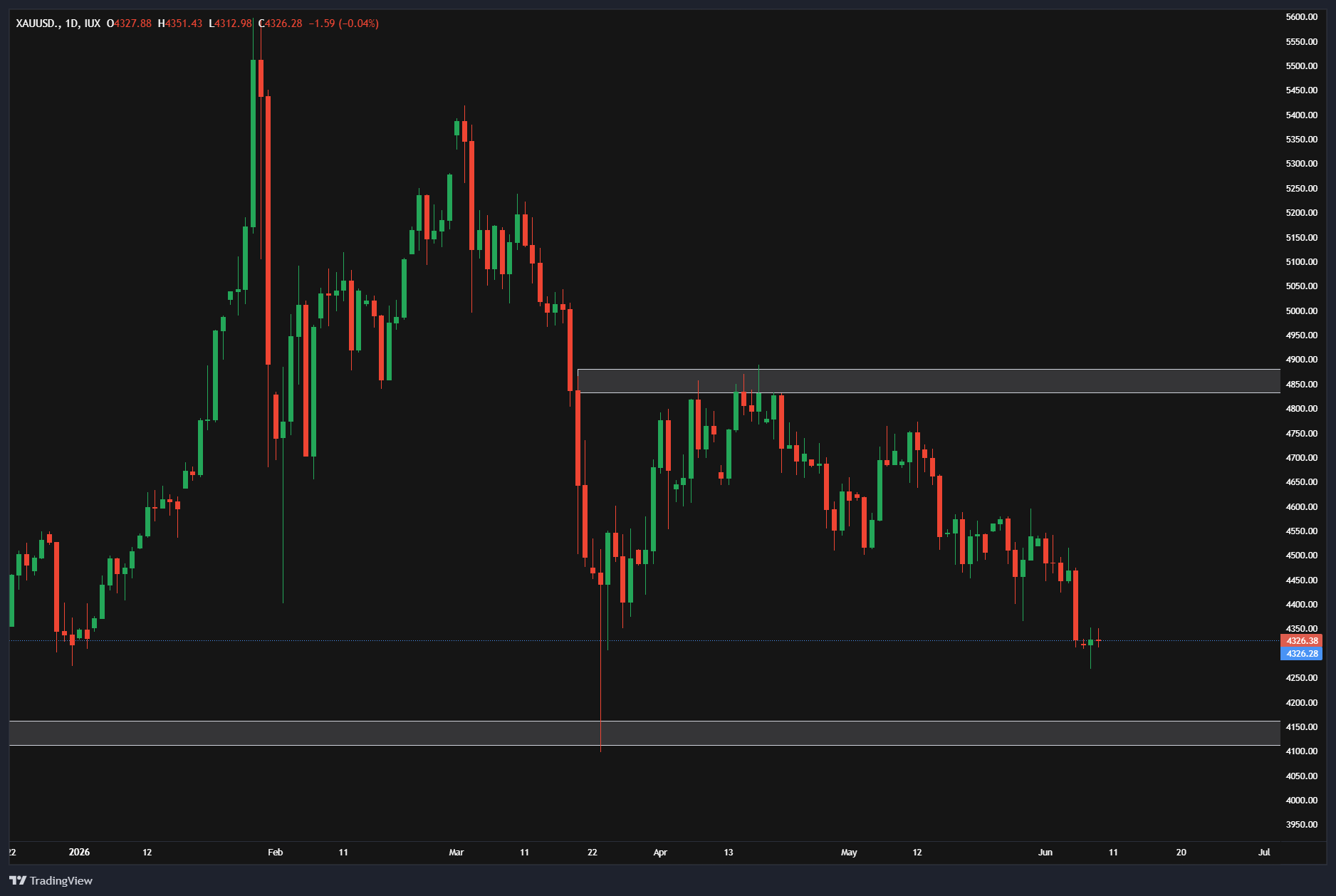
XAUUSD Chart
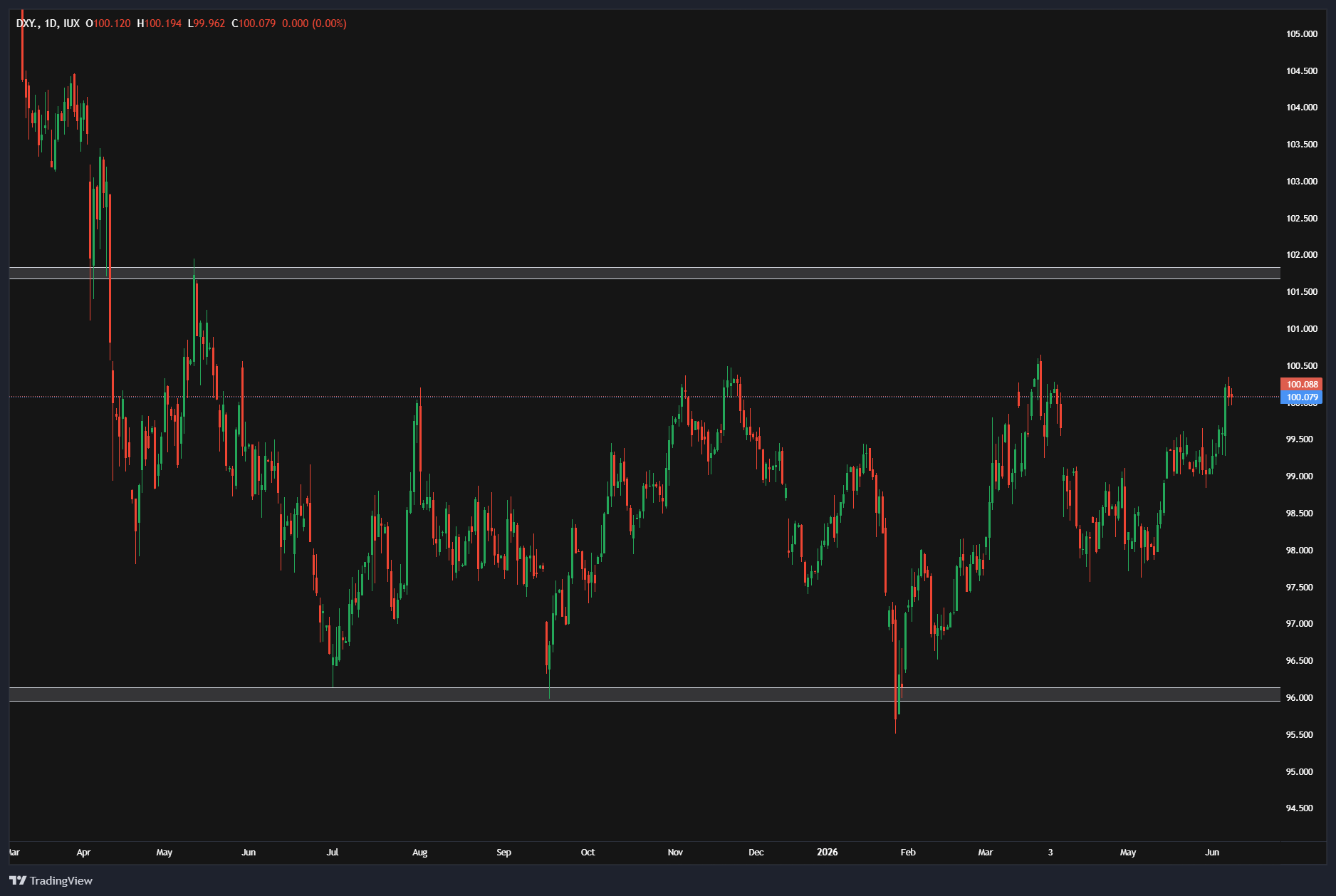
DXY Chart
For this reason, many analysts focus on the underlying fundamental drivers of each asset rather than relying solely on a simple inverse relationship between the two.
Conclusion
The second half of 2026 is expected to bring continued developments related to inflation, economic growth, and central bank policies. These factors are likely to remain important considerations for market participants assessing the outlook for both the U.S. dollar and gold.
As with any financial asset, historical performance does not guarantee future results. Market movements may be influenced by a wide range of economic, political, and sentiment-driven factors, many of which can change rapidly.

Democratic Sweep Weakens the US Dollar and Lifts Precious Metals | 5th November, 2026
Democrats' Midterm Victory Sends Dollar and Oil Lower

What the Democratic Midterm Win Means for Gold, US Stocks and Bitcoin
Gold Edges Higher as Dollar Weakens Ahead of US Midterm Results
US Midterm Elections Loom as Dollar Hovers Near One-Month Low

Gold Steadies Near $3,943 as Falling Oil Eases Inflation Fears

Markets Await United States Midterms as Dollar Holds Steady and Oil Falls