





Further Middle East hostilities fuel dollar’s engines

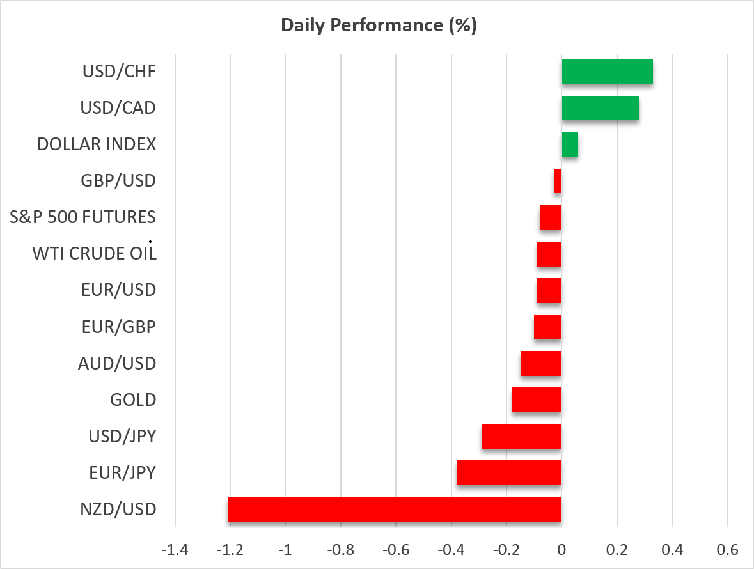
Dollar flexes muscles
The US dollar flexed its muscles against all the other major currencies yesterday, and continued to outperform most of them today, as strikes between the US and Iran in the Middle East escalated to the most serious exchange of attacks in weeks.
Oil prices surged more than 5% yesterday, with WTI crude oil emerging above the $90 per barrel zone, intensifying fears and further bolstering expectations that the Fed will press the hike button when it meets next month.
According to Fed funds futures, the probability of a September hike has risen to 70%, while market participants are now factoring in around 65bps worth of rate increases by July 2027.
Inflation fears have also pushed Treasury yields higher, with the 10-year yield climbing to its highest since November 2023. It seems that, this time, the rise in Treasury yields was less due to investors feeling uneasy to fund the enormous US debt and more due to heightened inflation fears. That’s maybe why the dollar escaped the debasement trade, perhaps for now, and gained strongly.
Key US data in the spotlight
The ISM manufacturing PMI for August and JOLTS job openings for July missed estimates, but the data did little to impact September hike expectations, perhaps as Fed Governor Barr noted on Tuesday that if inflation does not show signs of easing, the Fed will need to take interest rates higher.
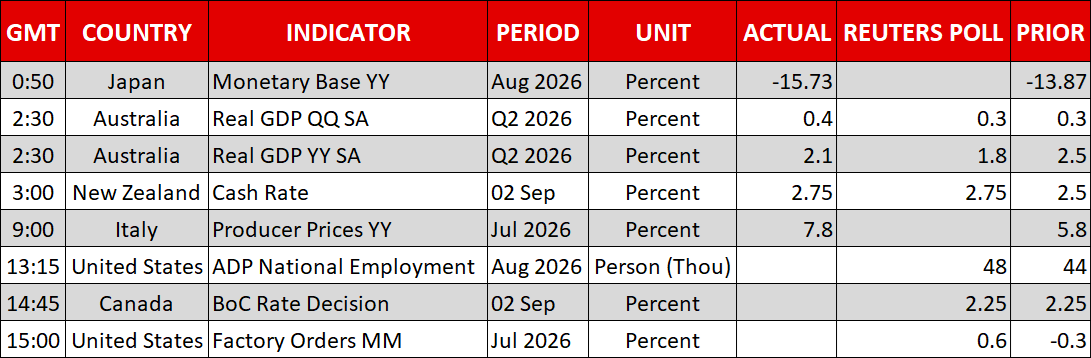
Today, the calendar is relatively light as it features the ADP private employment report. That said, with the ISM services PMI for August slated for tomorrow and the non-manufacturing sector accounting for nearly 90% of US GDP, investors will have some data to think over ahead of the August employment report on Friday.
Yen responds to BoJ Gov Ueda’s hawkish remarks
The Japanese yen staged a recovery today after Bank of Japan Governor Ueda said that officials will debate whether to raise interest rates at the September gathering and added that he hopes they will continue to do so as financial conditions remain accommodative.
Ueda’s comments come on top of Bessent’s warnings about decisive action and faster rate hikes by the BoJ. Bessent also urged the government to take more fiscally responsible steps, but with Takaichi insisting on massive spending, a different strategy appears less likely, at least now.
RBNZ appears less hawkish than expected, BoC in focus
In New Zealand, the kiwi fell sharply after the Reserve Bank of New Zealand raised interest rates by 25bps but sounded less hawkish than expected, with the Bank noting that wage and inflation expectations remain consistent with inflation eventually returning towards 2%. Although officials signaled that further increases may be required, the guidance suggested that they are in no rush. That’s why the probability of an October rate hike tumbled from 100% to around 30%.
Today, the central bank torch will be passed to the Bank of Canada, which is expected to stand pat. Focus will be on whether the latest flareup in Middle East tensions and the collapse of US-Canada trade negotiations will lead the Bank to consider faster rate hikes amid inflation risks.
Wall Street feels the heat of US-Iran hostilities, gold drops sharply
On Wall Street, all three indices closed in the red yesterday, with the tech-heavy Nasdaq losing more than 1% as the fresh escalation in the Middle East further steepened the Fed’s implied rate path, thereby weighing on valuations of high-growth tech firms.
Today, following Nvidia’s strong results the previous week, the focus turns to chip-maker Broadcom, which reports earnings after the closing bell. Strong revenue and guidance could ease concerns about massive borrowing and spending not translating into strong profitability, but amid the current risk-off environment, any gains on Wall Street could remain in check.
Rising Treasury yields and a firmer dollar pushed gold to a more than three-week low, with the precious metal briefly falling below its 200-day exponential moving average (EMA). A clear drop below that key average could see scope for declines towards the $4,200 zone, marked as support by the inside swing high of July 6.

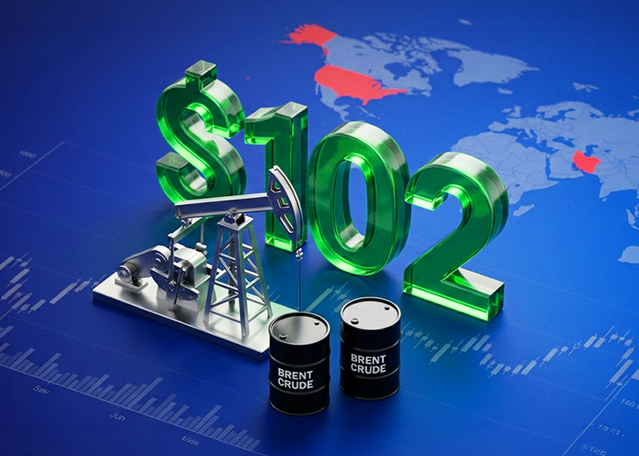
Today Fundamental Analysis: Oil Breaks Above $102 as Middle East Tensions Continue to Escalate

Today Technical Analysis: Copper Approaches Record Highs on Surging Demand

Dollar struggles to gain ahead of US inflation data, yen extends rally

EBC Markets Briefing | Crude prices on solid footing amid deep supply concerns

The yen is strengthening before our very eyes

The Inflation Measure Keeping the Fed Cautious

US Yields Rise Despite Buybacks; Eyes on ECB Hike