-1162026812.png)
-1162026812.png)





Gold buying by central banks has hit its highest rate since 2024.

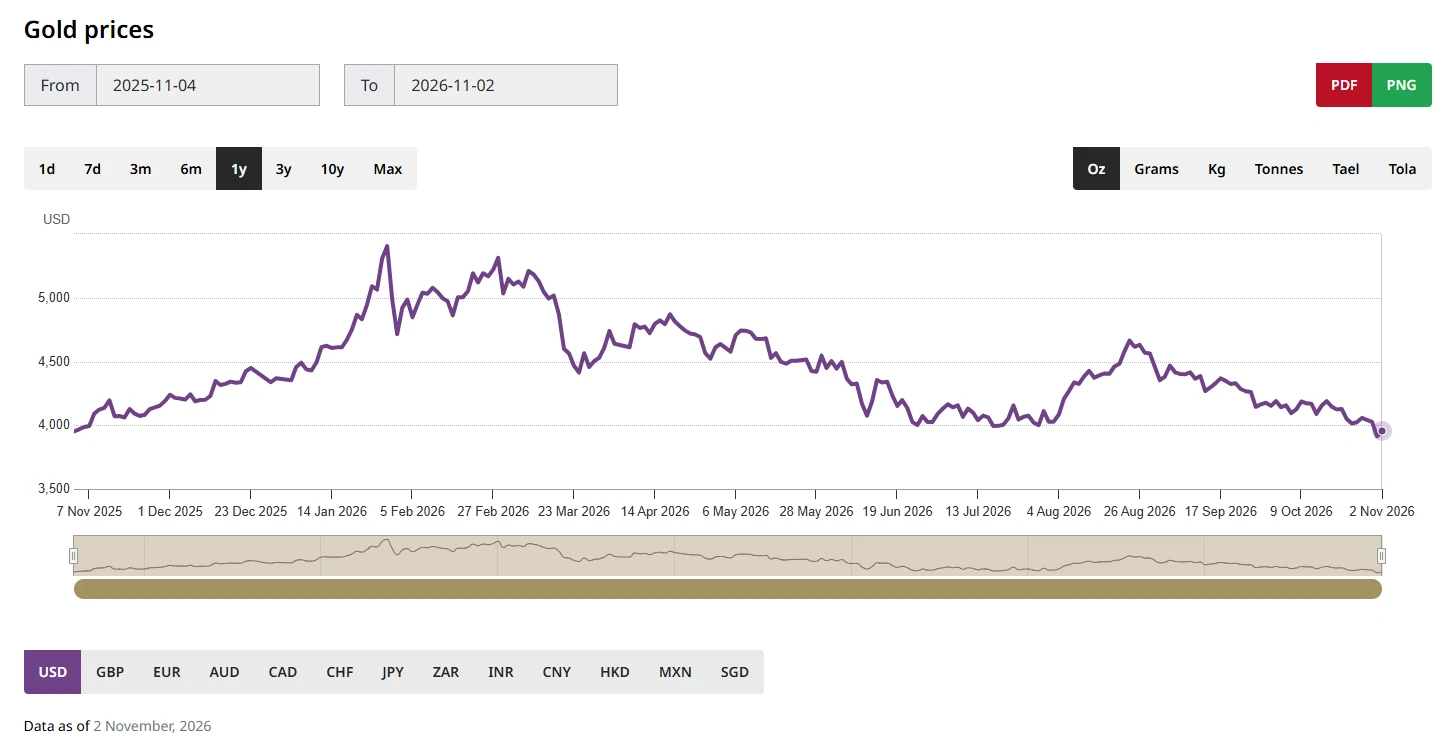 In the third quarter, central banks bought gold at the fastest pace since the end of 2024, despite pressure on the metal from rising oil prices and interest rates. Over the three months through September inclusive, net purchases by these institutions totaled 321 tons, the World Gold Council (WGC) reported in a report on Tuesday. After a slow start to 2026, this brought the estimate of purchases since the beginning of the year to 675 tons, which is slightly higher than the figure for the same period a year earlier. These data underscore that central banks—a major driver of the multi-year gold rally that hit a record high in January—remain a key pillar for prices in an otherwise sluggish market. The metal has lost about a quarter of its value since the start of the war with Iran in late February, as rising energy costs have reinforced expectations of monetary tightening, which puts pressure on the non-interest-bearing metal. The drop in gold prices during the quarter likely prompted some central banks to increase purchases. For central banks expecting a weakening of the US dollar, the rise of the American currency may also have made shifting a portion of reserves into gold more attractive. If they have a forecast for the long-term decline of the dollar, plus short-term US Treasury bonds on hand, then perhaps gold is being bought with a portion of those expensive dollars. Almost two-thirds of the estimated central bank purchases were not disclosed by the monetary authorities themselves.China and Poland became the largest buyers among those that disclosed data for the last quarter, increasing their reserves by 63 tons and 41 tons, respectively. Russia was the only major seller, having sold 19 tons during this period. In recent months, gold has gradually fallen in price as the war in the Middle East continues to push up oil prices and interest rate expectations. Nevertheless, inflows into gold-backed exchange-traded funds were quite significant: in the third quarter, their holdings grew by 211 tons to a record level.
Demand for jewelry fell by 17% to 313 tonnes — the weakest third-quarter figure in the history of the council's data, which has been kept since 2000. Changes in taxation in India and China, alongside rising prices, have pushed consumers toward lighter items and lower-purity gold products.Trade smart with Headway

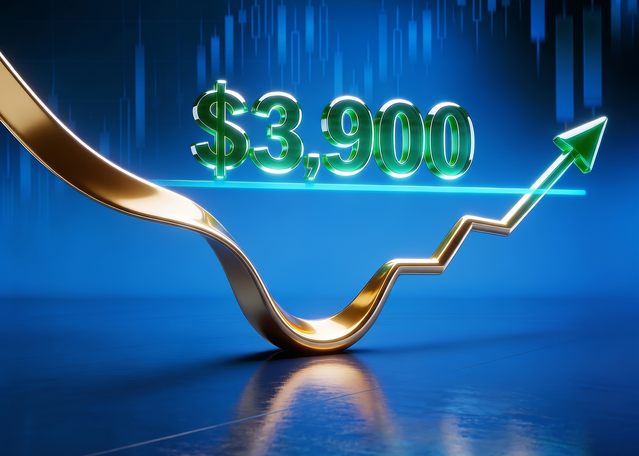
Daily Technical Analysis: Gold Reclaims $3,900 After Hitting Its Lowest Level Since October 2025

Daily Fundamental Analysis: Wall Street Starts November on a Cautious Note Ahead of US Midterm Elections

Bitcoin tests key support as election uncertainty and tech sell-off weigh

Will gold climb back above $4,000?

Crypto turns gloomy

US midterm elections in the spotlight as stock market rout persists
EBC Markets Briefing | Euro firms after oil prices fell sharply