-21420261153.png)
-21420261153.png)





Gold Falls Below $4,000; Oil Extends 4% Decline


Market Wrap-up: Gold Drops Below $4,000, WTI Falls 4%, US Dollar Hits One-Year HighEasing geopolitical tensions and rising expectations that the Federal Reserve could tighten policy further following its recent hawkish policy meeting continued to support the US dollar during the previous session. The US Dollar Index (DXY) briefly climbed to 101.79, its highest level in more than a year, creating broad based pressure across global markets.
Gold was among the hardest-hit assets, falling below the key psychological $4,000/oz level. After reaching a record high of $5,594.82/oz at the end of January, the precious metal has now declined by more than $1,600/oz.
ING also lowered its gold price outlook for this year. The bank now expects average gold prices of approximately $4,300/oz in Q3 2026 and $4,600/oz in Q4, down from its previous forecasts of $4,850/oz and $5,000/oz, respectively.
Major currencies including the euro, British pound, and Australian dollar remained under heavy selling pressure. Meanwhile, the Japanese yen weakened further to 161.80 per US dollar, despite repeated warnings from Japanese officials about potential currency intervention in recent days.
Crude oil also remained under pressure as a stronger US dollar combined with improving prospects for a durable US-Iran agreement pushed WTI crude below $70 per barrel. The previous session marked the first time WTI has traded below this threshold since March 2.
The decline in oil prices also weighed on US Treasury yields, with the 10-year Treasury yield falling below 4.5% for the first time in several weeks. Energy stocks underperformed as weaker oil prices dampened earnings expectations, with Exxon Mobil, Chevron, ConocoPhillips, and SLB each falling more than 2%.
Although it typically takes several weeks for lower crude oil prices to filter through refinery pricing before reaching consumers, US President Donald Trump increased pressure on major oil companies by criticizing them for failing to reduce gasoline prices in line with the sharp decline in crude prices.
The comments suggest growing concern within the administration that elevated energy costs could continue to fuel inflation, despite President Trump's earlier, more neutral stance and his preference for the Federal Reserve to begin easing monetary policy sooner.
Looking ahead for today, traders will closely watch the US Personal Consumption Expenditures (PCE) Price Index, the Federal Reserve's preferred inflation gauge, for fresh clues on the policy outlook. Other key releases, including Unemployment Claims, Final GDP, and Durable Goods Orders, will also be closely monitored.
XAU/USD: Bullion Slides Below $4,000 as Stronger US Dollar Weighs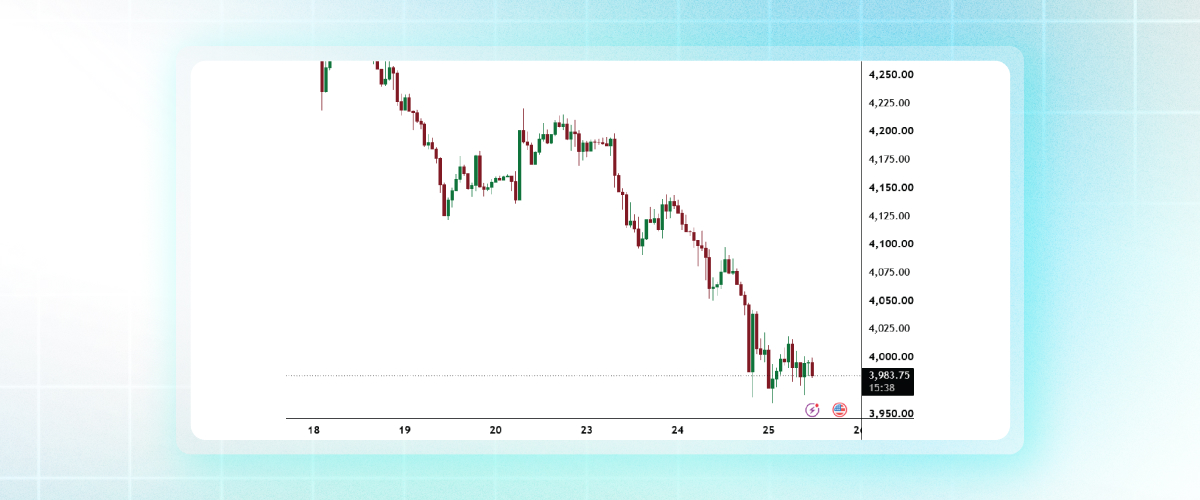
Key takeaway:
Gold fell to its lowest level in more than seven months on June 24 after breaking below the key psychological $4,000/oz level.
A stronger US dollar made dollar-denominated gold more expensive for holders of other currencies, reducing global demand and increasing downside pressure.
After reaching a record high of $5,594.82/oz at the end of January, gold has now fallen by more than $1,600/oz.
Technical Outlook:
Daily Bias: Bullish
Support: 3,964
Resistance: 4,100
WTI: Crude Falls 4% as Middle East Supply Risks Continue to Ease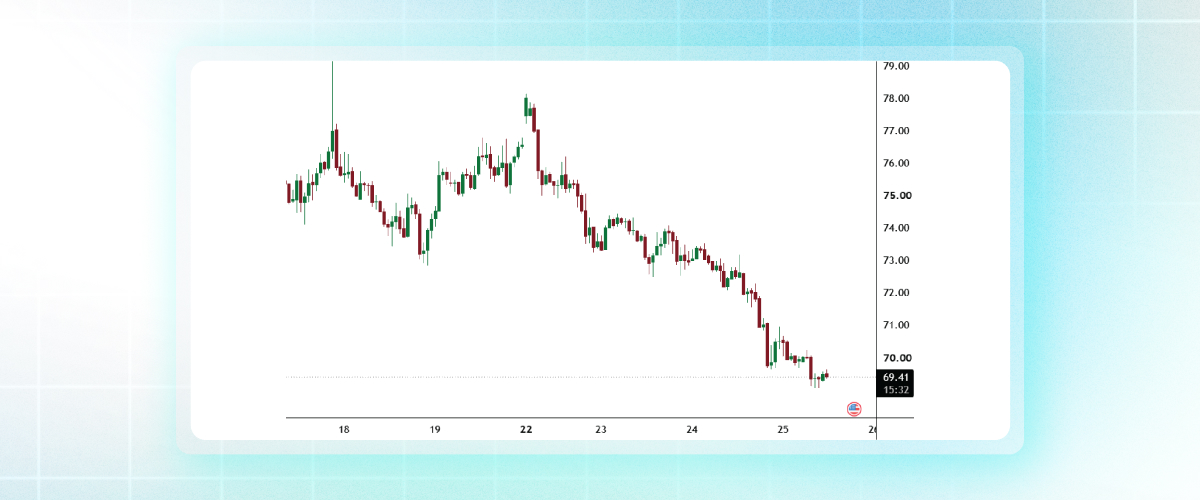
Key takeaway:
WTI crude fell around 4% on Wednesday as oil tankers continued transiting through the Strait of Hormuz, reinforcing expectations that the worst phase of the Middle East supply disruption may have passed.
The International Maritime Organization (IMO) announced that more than 11,000 stranded seafarers in the Persian Gulf would begin leaving the region through the Strait of Hormuz after maritime safety commitments were secured.
Global supply chains have faced significant disruptions in recent weeks as vessels experienced prolonged delays around the Strait of Hormuz. The reopening of this critical shipping route is expected to ease much of the recent supply pressure.
Technical Outlook:
Daily Bias: Bearish
Support: 63.42
Resistance: 72.85
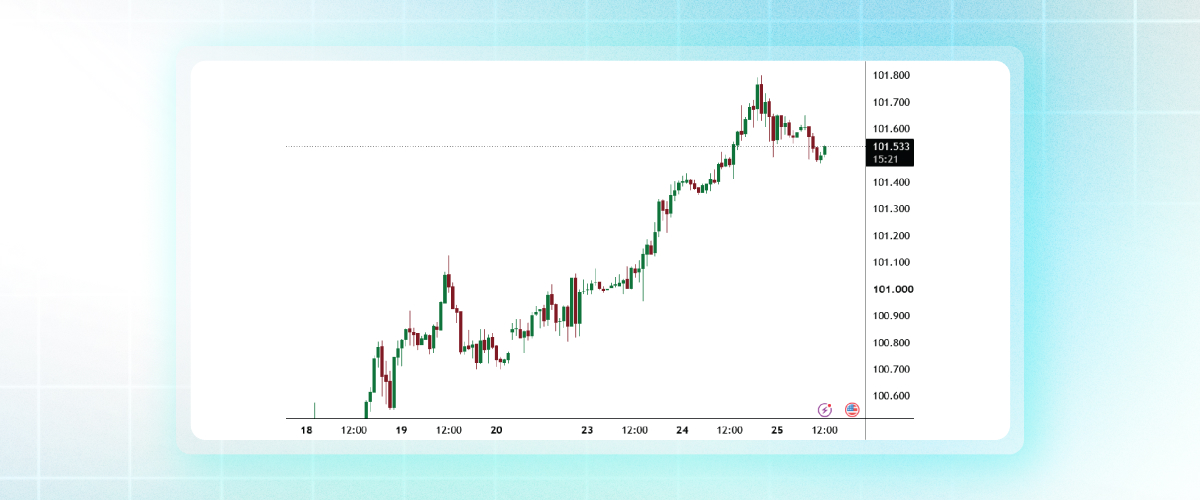
DXY: Dollar Climbs to One-Year High Ahead of US PCE Data
Key takeaway:
The US dollar strengthened sharply as traders positioned ahead of the US PCE inflation report.
The May PCE data, due later today, is expected to provide further insight into whether the recent surge in oil prices during the US-Israel-Iran conflict has filtered into underlying inflation.
Alongside the US dollar, US Treasury yields are also expected to see heightened volatility following the release.
Technical Outlook:
Daily Bias: Bearish
Support: 100.26
Resistance: 101.60
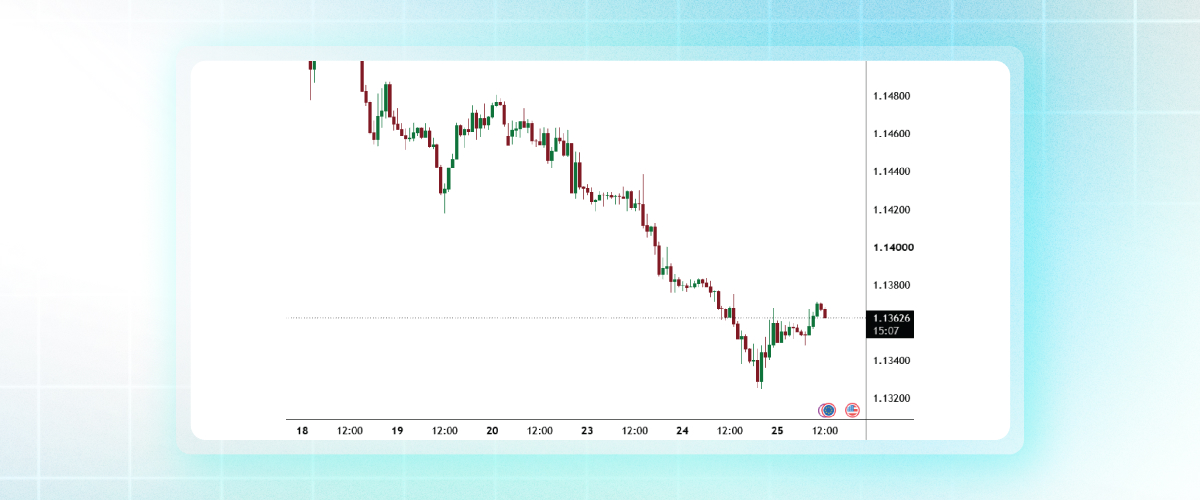
EUR/USD: Euro Weakens as Markets Price Higher Odds of Fed Rate Hikes
Key takeaway:
The euro edged lower as expectations for further Fed rate hikes strengthened ahead of the US PCE inflation data.
According to the CME FedWatch Tool, markets are currently pricing a 34.2% probability of a 25 basis point rate hike in July, up from 8.5% a week ago, while the probability for a September hike has risen to 66.4% from 29.1%.
At the same time, easing tensions between the US and Iran have weighed on oil prices, reinforcing expectations that the European Central Bank may adopt a more dovish policy stance.
Technical Outlook:
Daily Bias: Bullish
Support: 1.134242
Resistance: 1.14177
USD/JPY: Yen Finds Support from Intervention Risks Despite Dollar Strength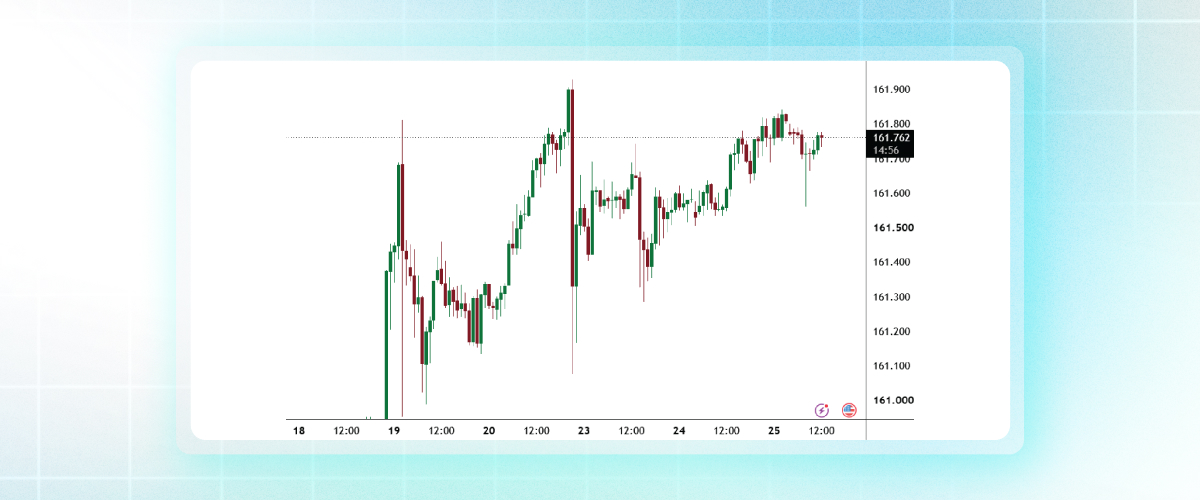
Key takeaway:
The Japanese yen remained relatively stable as traders stayed highly alert to the risk of official currency intervention.
Japanese Finance Minister Satsuki Katayama and US Treasury Secretary Scott Bessent agreed that coordinated currency intervention could be considered if necessary.
The development has fueled speculation about potential joint US-Japan intervention, providing support for the yen and limiting further upside in USD/JPY.
Meanwhile, Japan's Chief Cabinet Secretary Minoru Kihara reiterated on Tuesday that authorities stand ready to take appropriate action against excessive foreign exchange movements if required.
Technical Outlook:
Daily Bias: Bearish
Support: 161.28
Resistance: 161.80
Markets are currently being driven primarily by the repricing of Federal Reserve expectations rather than geopolitical developments.
A stronger US dollar, supported by the prospect of higher US interest rates, continues to pressure gold, crude oil, and major currencies, while easing tensions in the Middle East have further reduced the geopolitical risk premium embedded in energy prices.
Lower oil prices have also pulled Treasury yields lower, although the broader macro narrative remains centered on Fed policy.
Attention now shifts to today's US PCE inflation report, which is expected to determine whether markets further increase expectations for additional Fed tightening or begin scaling them back.
If you are looking for a platform to take advantage of market volatility, CPT Markets is a compelling choice. Trade global markets on advanced trading platforms with competitive spreads, fast execution, and a seamless experience across all devices.
Whether you are a beginner or an experienced trader, trading short-term or long-term, the right platform can make the difference - Trade smarter with CPT Markets!
This content is for informational purposes only and should not be considered investment advice. Trading financial products such as Forex and CFDs involves a high level of risk and may not be suitable for all investors. You may lose all of your invested capital. Please ensure that you fully understand the risks involved and carefully consider your financial situation before trading.

Today Fundamental Analysis: Brent Holds Around $100 Amid Fresh US-Iran Escalations

The euro is banking on the ECB

EBC Markets Briefing | Euro eyes more gains on mounting dollar debasement risks

Today Technical Analysis: Japanese Yen Hits Highest Level Against the Dollar Since February

Yen Hits 6-Month High, Volatility Returns After North American Holiday.

USD/JPY Falls Below 154.000 as BOJ Rate Hike Bets Support Yen

USDJPY hits 7-month lows: recovery or bear trap?