





Is Altcoin Season Disappearing?

Altcoin season was once seen as an “unwritten rule” of the crypto market: Bitcoin rises first, Ethereum follows, and then altcoins rally broadly across the market. For many investors, this was almost the “easiest money” phase of every crypto cycle.
However, in the 2024–2025 period, this familiar pattern no longer works the same way. Bitcoin keeps making new highs, total crypto market capitalization remains high, but most altcoins fail to move together in a strong, broad rally. This raises an important question: Is altcoin season disappearing, or is it simply changing its nature?
When total market cap rises, but money no longer spreadsLooking at the Crypto Total Market Cap (TOTAL) chart, the market still shows clear strength. Total market cap once approached the 3.8–4.2 trillion USD range before pulling back to around 2.9 trillion. This was not a “crash”, but a corrective move with strong divergence inside the market.
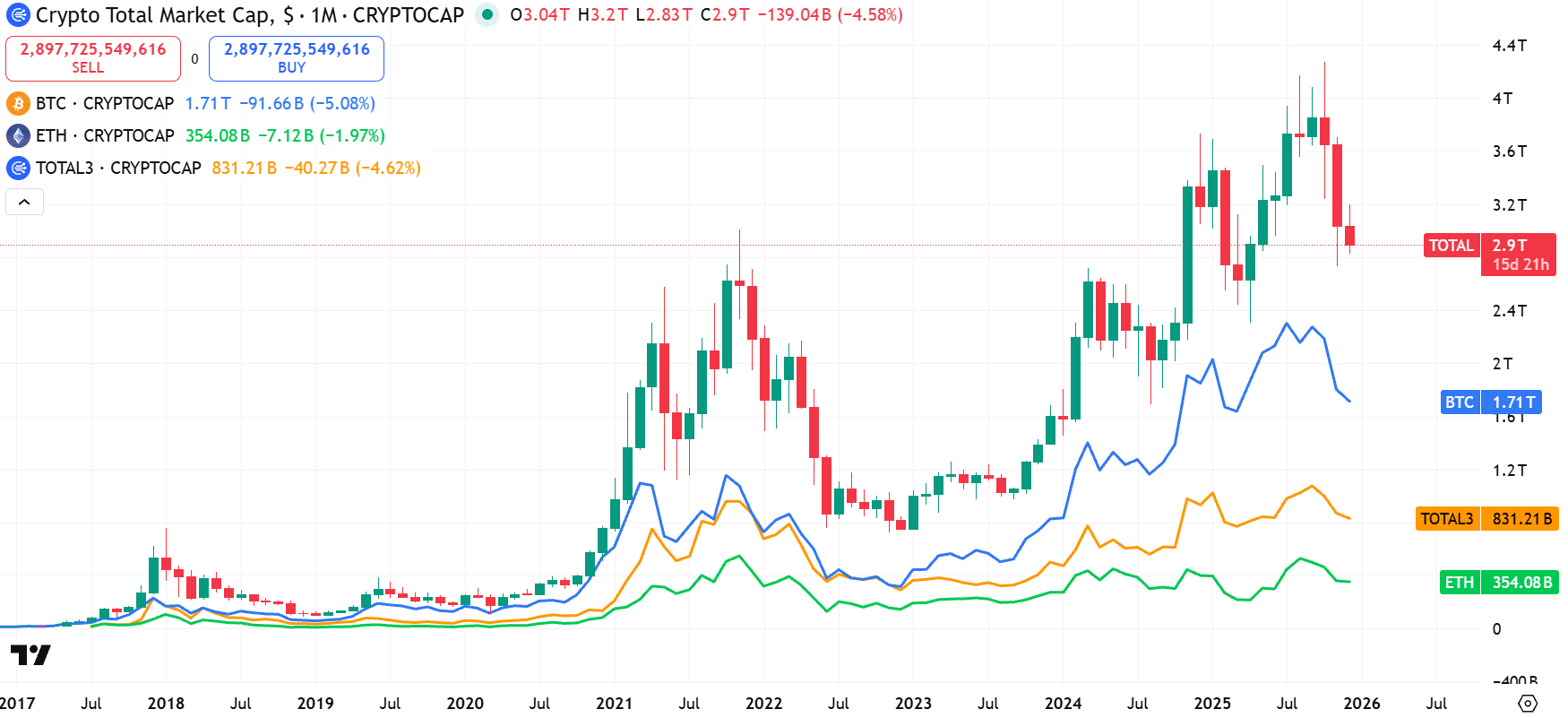
Figure 1: Crypto market cap comparison, TradingView
The key point is this: money is not leaving crypto, it is being allocated differently.
Bitcoin remains at the center. Even with short-term pullbacks, BTC’s share of the total market cap stays high. In past cycles, Bitcoin usually rallied first and then passed momentum to altcoins. This cycle is different: Bitcoin rises and continues to hold the capital.
Ethereum, once seen as the “bridge” between Bitcoin and altcoins, no longer shows clear strength. Since 2024, ETH has underperformed BTC, moved sideways more often, and failed to deliver a strong outperformance phase that could trigger a broad altcoin rally.
As a result, TOTAL3 (the market cap of all altcoins excluding BTC and ETH) looks weak and fragmented. Instead of rising together, altcoins move in small groups based on specific narratives such as AI, RWA, memes, or infrastructure, while most of the market remains on the sidelines.
Why altcoin season existed, and why it is changingAltcoin season is not a natural law. It was a result of an early-stage market that was inefficient and lacked mature financial tools.
In the past, crypto liquidity was small, retail FOMO was the main driver, and there were almost no ETFs, options, or yield products that allowed capital to stay put. To lock in profits while staying in crypto, investors had little choice but to rotate capital from Bitcoin into altcoins. As a result, altcoin season became almost inevitable.
Since late 2023, this picture has changed significantly. Institutional money now approaches crypto as an asset class, not a short-term speculation game. Institutions focus on liquidity, scale, exit ability, and regulatory clarity. In this context, a simple question becomes very practical: why would large capital chase small-cap altcoins?
ETFs make this trend even clearer. ETFs bring money into crypto, but this is passive capital. It does not rotate and does not chase narratives. In the past, taking profit on Bitcoin often led to altcoins. Today, capital can simply stop at Bitcoin and Ethereum.
Altcoin season is not gone, but it has changedIn reality, altcoin seasons still appear. The Altcoin Season Index has crossed above 75/100 several times in recent years. However, each period lasts only a few weeks, sometimes just a few dozen days, with an average duration of around 17 days. Bitcoin dominance usually weakens only briefly before capital flows back to core assets.
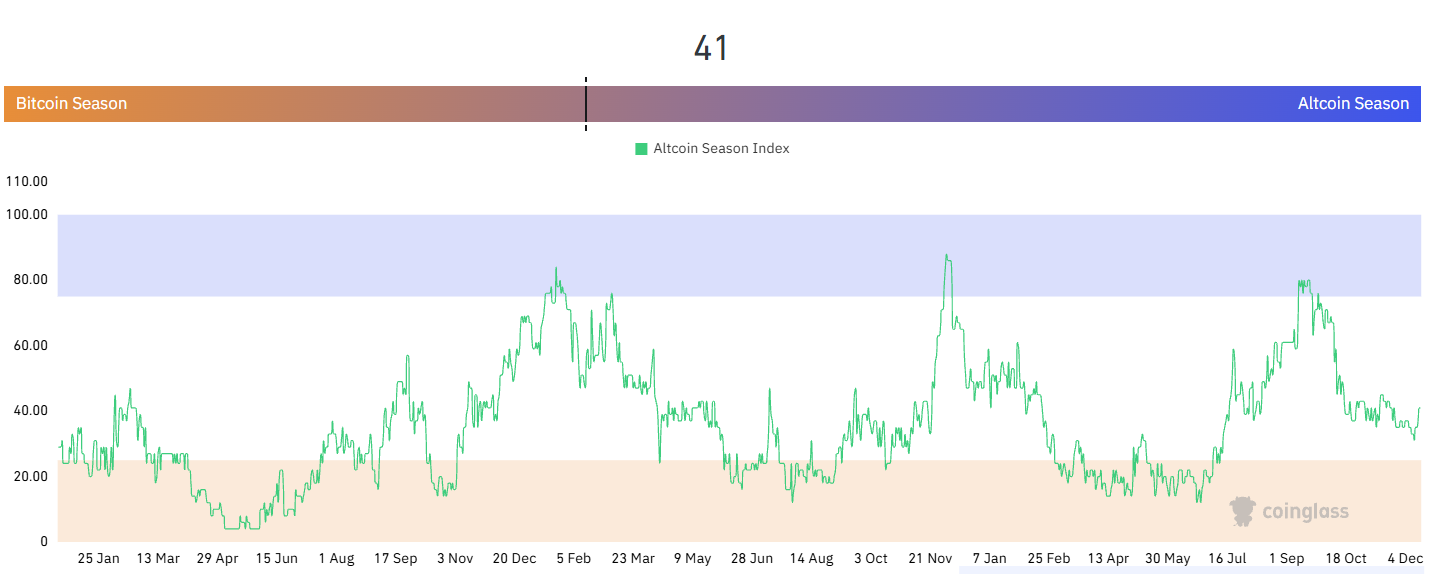
Figure 2: Altcoin Season Index, Coinglass
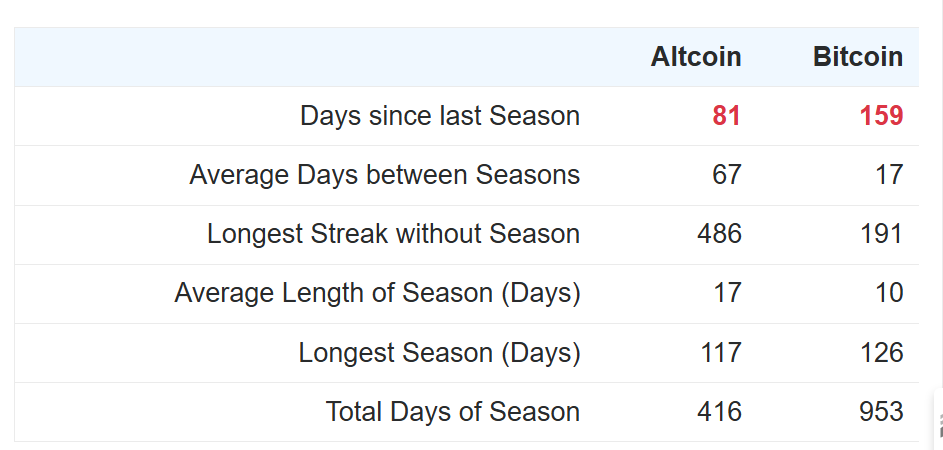
Figure 3: Altcoin Season Index, BlockchainCenter
Leverage is another key factor affecting altcoins. When altcoin prices rise, many traders open margin positions, causing open interest to increase quickly and funding rates to rise. This makes the market fragile, as even a small pullback can trigger large liquidations.
Today, market makers manage risk more tightly. When volatility increases, they often pull liquidity, widen spreads, and limit price extension. As a result, prices tend to return to equilibrium more quickly. In simple terms, altcoins can heat up fast, but they struggle to hold long-lasting trends.
ConclusionAltcoin season is not disappearing. It is changing shape, from a broad market-wide rally to shorter, more selective, and more demanding moves. The real question may no longer be “when will altcoin season return?”, but whether we still expect a market where everything goes up simply because it did before.
The crypto market is not weaker because altcoin seasons are shorter. On the contrary, this shows that the market is maturing and no longer as easy or forgiving as it once was. Traders should keep in mind that these shorter, selective altcoin moves can be more volatile and carry higher risk than broad market rallies in the past.

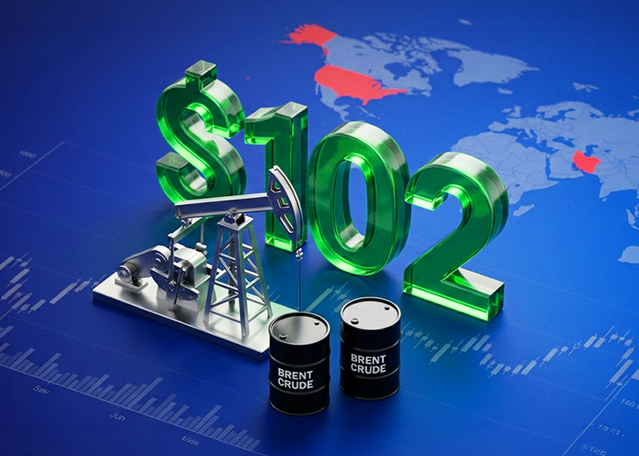
Today Fundamental Analysis: Oil Breaks Above $102 as Middle East Tensions Continue to Escalate

Today Technical Analysis: Copper Approaches Record Highs on Surging Demand

Dollar struggles to gain ahead of US inflation data, yen extends rally

EBC Markets Briefing | Crude prices on solid footing amid deep supply concerns

The yen is strengthening before our very eyes

The Inflation Measure Keeping the Fed Cautious

US Yields Rise Despite Buybacks; Eyes on ECB Hike