





Middle East tensions fuel Fed hike bets and risk aversion

US-Iran conflict boosts September Fed hike case
The US dollar traded mixed against the other major currencies on Friday, losing the most ground against the Japanese yen, which rallied on news that the Japanese government was seeking plans to encourage its Pension Investment fund to increase exposure to domestic assets.
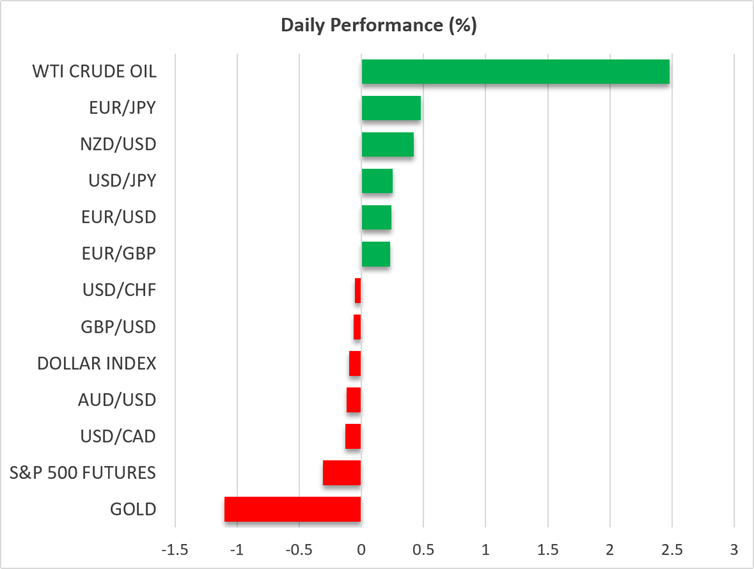
That said, the greenback opened with positive gaps today, gaining against all due to another round of hostilities in the Middle East. The US and Iran exchanged missile and drone strikes, with the latter nation attacking US facilities across Gulf states, including Qatar. Qatar has been a mediator in US-Iran peace negotiations and has not been attacked for more than three months. Most importantly though, Tehran announced on Sunday that it is closing the Strait of Hormuz again.
Oil prices opened with a positive gap, around 3% above Friday’s close, on heightened fears that inflation could spiral out of control again. Alongside the US dollar, Treasury yields rose as well, signaling that investors added to their Fed rate hike bets. Indeed, according to Fed funds futures, a quarter-point rate hike in September is now fully penciled in, while the chance of it being delivered later this month has risen to around 35%.
US CPI data and Fed Chief Warsh’s testimony in focus
Besides headlines surrounding the Middle East, dollar traders will now pay extra attention to Tuesday’s US CPI data for June, and Kevin Warsh’s semi-annual testimony on monetary policy before Congress. Given the sharp pullback in the year-on-year change in oil prices during the month, the risks surrounding – at least the headline CPI rate – may be titled to the downside.
However, should Warsh highlight once again the Fed’s independence and the inflation risks stemming from the latest escalation in the Middle East, the dollar is likely to stay supported.
Yen rally runs out of fuel
The yen rallied instantly on Friday following finance Minister Katayama’s remarks about encouraging the government’s pension investment fund (GPIF) to increase exposure in local assets. That said, it is starting this week on the back foot, surrendering to the dollar’s strength.
Although for some participants this could mean a rescue plan for the yen, today’s retreat corroborates the idea that dollar/yen traders take any sharp setbacks as renewed buying opportunities.
Although reports hit the wires that the Bank of Japan is considering upgrading its growth forecast for 2026 and keep highlighting upside inflation risks, investors preserved bets of nearly one more rate hike by the end of the year. They probably believe that the Bank cannot become much more hawkish from here, as Prime Minister Takaichi's future Board appointments could continue to tilt the scales toward the dovish side.
Wall Street and gold feel the heat of US-Iran dispute
On Wall Street, all three indices closed in positive territory on Friday, driven by the blockbuster debut of South Korean memory-chip maker SK Hynix, whose shares skyrocketed after the listing, as well as by US President Trump’s remarks that Iran reached out, wanting to “make a deal so badly.” However, this optimism was reversed due to the fresh US-Iran military escalation, with stock futures pointing to a lower open today.
Gold opened with a negative gap and traded even lower after today’s opening as the rise in Treasury yields and the US dollar are increasing the opportunity cost for holding the metal. Should Kevin Warsh sound more hawkish than expected during his testimony, gold could move lower, perhaps breaking below the round figure of $4,000, a move that could carry larger bearish implications.


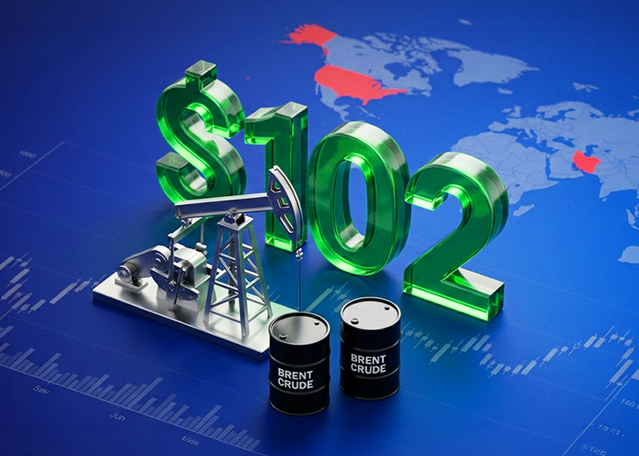
Today Fundamental Analysis: Oil Breaks Above $102 as Middle East Tensions Continue to Escalate
Today Technical Analysis: Copper Approaches Record Highs on Surging Demand

Dollar struggles to gain ahead of US inflation data, yen extends rally
EBC Markets Briefing | Crude prices on solid footing amid deep supply concerns

The yen is strengthening before our very eyes

The Inflation Measure Keeping the Fed Cautious

US Yields Rise Despite Buybacks; Eyes on ECB Hike