




Musk's Trillion Dollar Bill

Tesla shareholders approved a historic $1 trillion compensation package for Elon Musk in November 2025, with 75% support. This deal could make Musk the world's first trillionaire if he achieves aggressive targets: growing Tesla's market cap from $1.5 trillion to $8.5 trillion, deploying 1 million robotaxis, and producing 1 million humanoid Optimus robots. If succeeded, TSLA would cost over $2550 per share!
The Compensation Structure
Unlike traditional salaries, Musk receives no base pay. Instead, he earns stock grants through 12 performance tranches triggered by market capitalization milestones and operational targets. Hitting all targets would generate $275 million per day over ten years. This is the largest executive compensation in history.
Tesla's Ambitious Transformation
Reaching $8.5 trillion requires Tesla to achieve operational milestones simultaneously. The company must deliver 20 million vehicles annually, produce 1 million Optimus robots yearly, and deploy a functioning autonomous fleet. These goals demand extraordinary execution across multiple industries, not just automotive manufacturing.
The Robotaxi Challenge
Tesla launched its paid robotaxi services in Austin around June 2025, initially operating 10-20 vehicles. However, Waymo already operates over 250,000 weekly autonomous trips with driverless vehicles (April 2025 data), while Tesla's Full Self-Driving remains Level 2 autonomy requiring human supervision. Morningstar's Seth Goldstein estimates Tesla won't match Waymo's capabilities until 2028. Regulatory approval represents another barrier. Tesla needs multiple state and federal permits before wide-scale deployment.
Optimus: From Prototype to Million-Unit Producer
Tesla recently confirmed that first-generation Optimus production lines are being installed, moving the robot from research to manufacturing. However, some industry sources inform about critical manufacturing bottlenecks. Musk projects Optimus V3 production in early 2026, with external customer deliveries by late 2026. However, scaling to 1 million annual units represents unprecedented manufacturing complexity for a robot with over 10,000 distinct components. The humanoid robot market is nascent, with projected 2035 values ranging from $38 billion to $182 billion. These numbers suggest massive uncertainty about consumer demand.
Can Markets Support This Valuation?
Tesla would need to reach $8.5 trillion - exceeding Apple, Microsoft, and Nvidia combined. This requires maintaining extraordinary valuation multiples (currently 75x EBITDA) or achieving $400 billion annual EBITDA, a 37% compound annual growth rate for a decade. Tesla's most bullish analysts at ARK Invest project $2600 per TSLA share by 2030.
If Musk Fails to Deliver
The compensation structure contains no guarantee. If Musk misses targets, he receives nothing beyond existing stock holdings. However, Reuters analysis suggests he could earn $50+ billion hitting just partial targets. Failure could trigger market valuation collapse, as Tesla's current value depends heavily on speculation about autonomous vehicles and robotics success. Additionally, Tesla's board warned that rejecting the package risked Musk's departure, a "key person risk" that raises governance concerns about board leverage dynamics.
Musk's compensation represents extraordinary ambition but uncertain feasibility. The technical challenges are surmountable but require near-perfect execution. The economic targets demand either revolutionary performance or sustained speculative valuations. The governance dynamics raise concerns about board independence, as shareholders face implicit pressure to approve excessive packages under threat of executive departure.
If Musk succeeds, shareholders profit enormously despite the dilution. If he fails, Tesla faces potential valuation collapse and governance reputation damage. The next decade will reveal whether this represents visionary leadership or corporate excess.


Brent has soared above $100. Is this just the beginning?
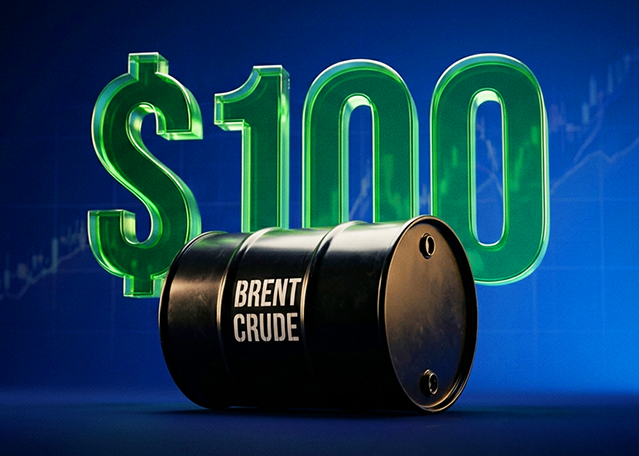
Today Fundamental Analysis: Brent Holds Around $100 Amid Fresh US-Iran Escalations

S&P 500 Stepped From Record Highs, but Market Breadth Is Flashing a Warning 💥

Bitcoin: the golden cross signals an uptrend, but not right away

US Inflation Data and Elevated Asset Valuations — Nasdaq, S&P 500 and Gold

China50 Tests 14,600 Resistance as Investors Await Inflation Data
Dollar slips, yen surges as Middle East tensions escalate