-21420261153.png)
-21420261153.png)





Oil Falls Amid Sanctions Relief Hopes and Shifting Market Sentiment


Market Wrap-Up: Supply Risks, CPI, and Shifting Rate Expectations
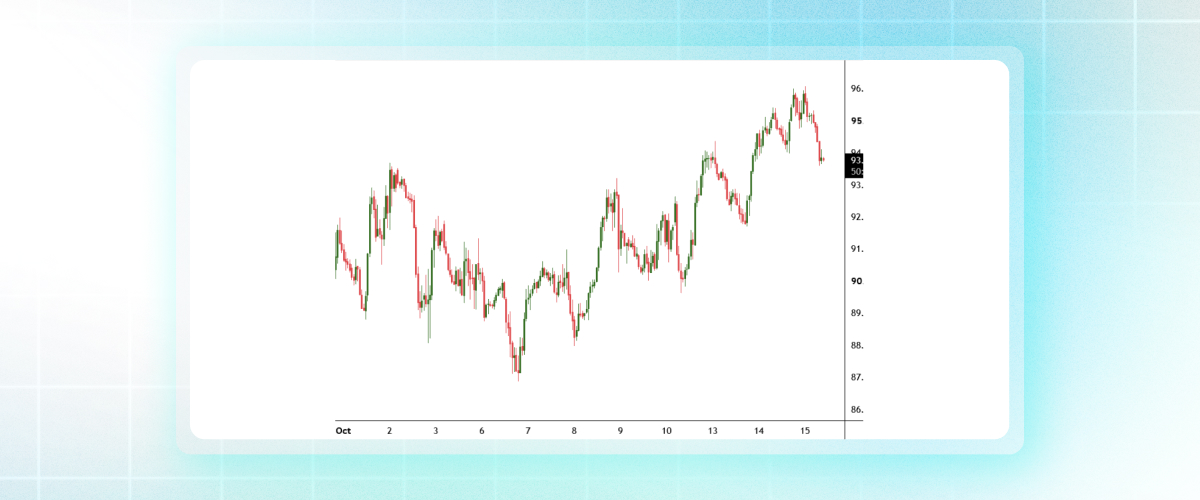
Brent crude futures fell $1.39, or 1.31%, to $104.67 a barrel, while US West Texas Intermediate (WTI) crude futures declined $1.02, or 1.07%, to $94.07 by 0116 GMT on Thursday. Both benchmarks reversed gains from the previous session as investors weighed potential sanctions relief against mounting shipping disruptions in the Middle East.
WTI had reached a three-week high on Wednesday after Yemen's Houthis attacked the headquarters of Saudi Aramco, while Iranian officials said they were deploying new tactics to target vessels in the Strait of Hormuz. Maritime officials also reported that a container ship and a dry bulk carrier had sunk after being hit by projectiles in separate incidents near the strait within the preceding 24 hours.
Attacks around the waterway have increased over the past 10 days, with Iran saying it was intensifying strikes in response to the US blockade of its ports and tougher sanctions introduced last month. The conflict has disrupted shipping and pushed freight costs to record highs, adding to concerns over the movement of oil and petroleum products through the region.
Against this backdrop, the Trump administration is considering easing sanctions on so-called shadow-fleet vessels that have transported oil and petroleum products from Russia, Iran, and Venezuela. A US official said the discussions centred on potentially allowing what was described as "legal oil" to flow on previously sanctioned vessels, with the aim of reducing petroleum shipping costs.
Higher production and exports have helped offset some supply concerns. Russia's crude oil production increased by 65,000 barrels per day in September to 8.43 million barrels per day, although output remained 870,000 barrels per day below its year-earlier level, according to the International Energy Agency (IEA). The IEA also reported that crude oil exports from Middle East Gulf producers rose by 4.4 million barrels per day in September to around 75% of pre-war levels.
US inventory data offered another mixed signal. Industry data from the American Petroleum Institute (API) showed crude oil stocks fell by 11.1 million barrels in the week ended 9 October, a substantially larger decline than analysts polled by Reuters had expected. Distillate inventories also fell, while gasoline stocks increased. Oil prices showed little reaction to the crude draw, suggesting that investors remained cautious about chasing prices higher, according to Haitong Futures.
Elsewhere, US inflation data added to uncertainty over the Federal Reserve's policy outlook. The Consumer Price Index (CPI) rose 0.6% month on month in September and 3.7% year on year, while core CPI increased 0.3% month on month and 2.6% year on year. Following the release, markets raised the probability of an October rate increase to approximately 45%, from 22% previously, according to interest-rate futures pricing cited by Reuters.
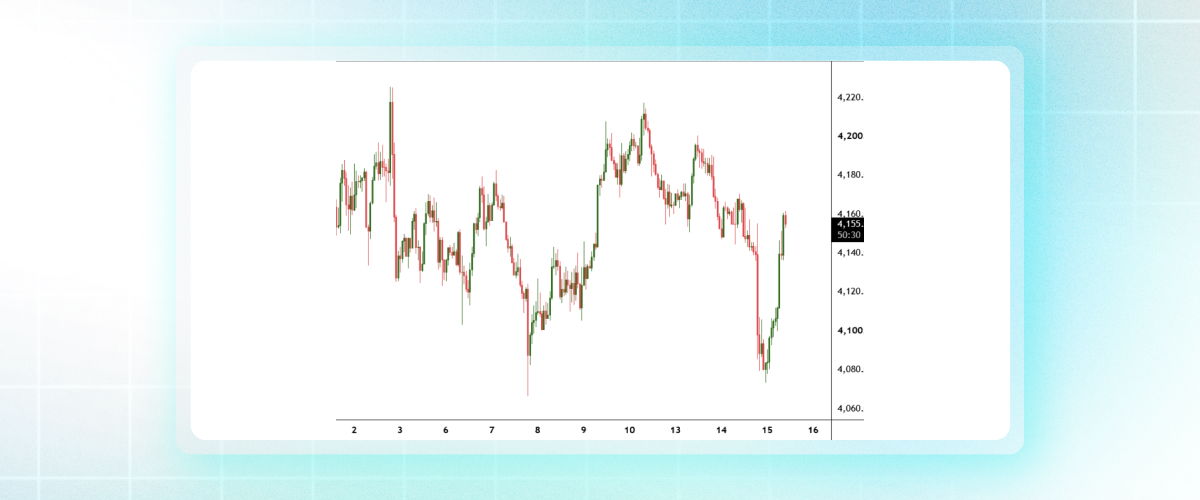
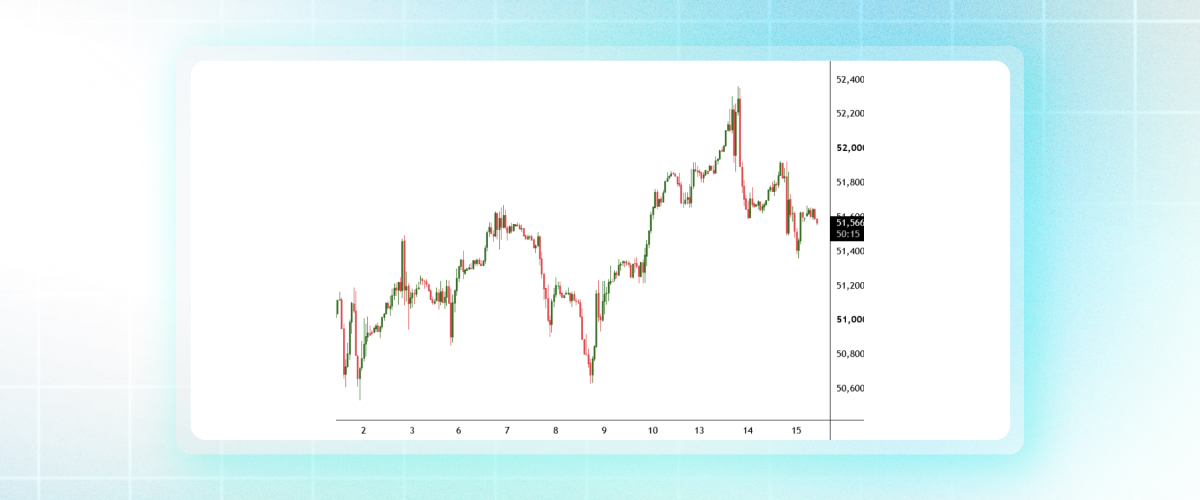
US equities declined on Wednesday, with the S&P 500 falling 1.11% to 7,718.94, the Nasdaq Composite dropping 1.88% to 26,692.87, and the Dow Jones Industrial Average easing 0.09% to 51,621.48. The US dollar and Treasury yields rose, while spot gold fell 1.8% to $4,083.94 an ounce.
Markets will now focus on the US Energy Information Administration's (EIA) official weekly petroleum inventory report, scheduled for 16:00 GMT on Thursday following a one-day delay. Investors will also assess developments surrounding potential sanctions relief and shipping security in the Strait of Hormuz for further indications of the balance between supply risks and efforts to ease oil-market costs.
XAU/USD
Key Takeaways
· Gold fell as the US dollar and Treasury yields rose, putting pressure on the precious metal.
· Persistent US inflation and shifting Federal Reserve policy expectations continue to influence gold, with the latest CPI figures adding uncertainty over the direction of interest rates.
Technical Outlook
· Daily Bias: Bearish
· Support: 4,073
· Resistance: 4,171
WTI
Key Takeaways
· Oil prices are balancing shipping and geopolitical risks in the Middle East against the possibility of additional sanctioned oil reaching the market.
· Oil prices showed little reaction to the reported 11.1-million-barrel US crude inventory draw, suggesting limited buying momentum during the session.
Technical Outlook
· Daily Bias: Bearish
· Support: 91.72
· Resistance: 96.07
Dow Jones
Key Takeaways
· Persistent US inflation and uncertainty over the Federal Reserve's next policy move continue to weigh on equity market sentiment.
· The Dow's reported decline was smaller than the losses in the S&P 500 and Nasdaq Composite, highlighting differences in performance across major US equity indices.
Technical Outlook
· Daily Bias: Bearish
· Support: 51,361
· Resistance: 51,929
Calendar Watch
· US Retail Sales: September retail sales data will provide an indication of consumer spending strength. Investors will assess whether spending remains resilient and what the results imply for the broader US economic outlook and the Federal Reserve's interest-rate decisions.
· US Producer Price Index (PPI): September producer-price data will offer another measure of inflationary pressure following the latest CPI release. Stronger-than-expected figures could reinforce concerns that inflation remains persistent, while a softer reading could ease some of those concerns.
· US Initial Jobless Claims: Weekly claims will provide an updated signal of labour-market conditions. Investors will assess whether the data points to a weakening labour market or continued resilience, helping inform expectations for the Federal Reserve's monetary policy.
Whether you are new to the markets or an experienced trader, stay connected to global markets with CPT Markets.
Access our trading platforms across multiple devices, with competitive spreads and fast execution.
This content is provided for informational purposes only and does not constitute investment advice, investment recommendations, or an offer or solicitation to buy or sell any financial instrument. Trading financial products such as Forex and CFDs involves a high level of risk and may not be suitable for all investors. You may lose all of your invested capital, and in certain circumstances, losses may exceed your initial deposit. Please ensure that you fully understand the risks involved and carefully consider your financial objectives, level of experience, and financial situation before trading.


Gold Slips Below $4,000 as Inflation Fears and a Hawkish Fed Outlook Outweigh US–Iran Tensions

GOLD Below $3,999 or Above $4,501? What Could the Coming Week Bring?

Gold Edges Lower as Fed Rate Outlook Clouds Markets

Week Ahead: Inflation Data and Fed Hike Bets Put Gold, USDX and S&P 500 in Focus

US Stocks Rise as Investors Rotate Beyond AI, Oil Edges Lower

Yen Policy Shifts, Precious Metals React, and Oil Tracks Middle East Risks | 16th October, 2026

How Geopolitical Conflicts and Global Debt Impact Financial Markets