-21420261153.png)
-21420261153.png)





US Stocks Rise as Investors Rotate Beyond AI, Oil Edges Lower


Market Wrap-Up: Equity Rotation, Inflation, and Supply Risks
US stocks closed higher on Thursday, 15 October, as investors moved away from some AI-related shares towards healthcare and consumer companies. The S&P 500 rose 0.33% to 7,744.06, the Nasdaq Composite gained 0.08% to 26,713.03, and the Dow Jones Industrial Average advanced 1.08% to 52,177.69.
Healthcare led sector gains, rising 1.84%, followed by materials at 1.71%. Eli Lilly gained more than 3%, UnitedHealth rose 2.8%, and Walmart added 1.4%. However, technology shares remained under pressure amid concerns about borrowing costs and the financing requirements of AI-related businesses. The Philadelphia Semiconductor Index fell 0.9%, marking its seventh consecutive session of losses.
Inflation remained a central concern. US producer prices recorded their largest increase in four and a half years in September, following hotter-than-expected consumer inflation data on Wednesday. The 10-year US Treasury yield fell to a three-week low during Thursday’s session, although yields remained elevated by historical standards.
Oil prices edged lower on Friday morning as investors weighed potential US sanctions relief for some vessels in the so-called shadow fleet against escalating tensions in the Middle East. Brent crude futures fell 0.39% to $105.51 a barrel, while West Texas Intermediate (WTI) declined 0.55% to $97.43 by 00:12 GMT.
The pullback followed a stronger session for WTI, which settled more than 3% higher on Thursday after a large draw in US crude inventories supported prices. The International Energy Agency also agreed to release more than 20 million barrels of diesel, alongside remaining oil from an earlier emergency reserve release. However, renewed attacks on shipping and escalating regional conflict continued to support oil prices.
Gold recovered on Thursday, with spot prices rising 1.2% to $4,153.42 an ounce, while December US gold futures settled 1.5% higher at $4,170.10. A 0.5% decline in the US Dollar Index (DXY), alongside a lower 10-year US Treasury yield, supported the rebound. Nevertheless, stronger inflation data kept monetary policy expectations in focus.
Markets remain focused on the Federal Reserve’s policy outlook following stronger-than-expected US inflation data, with attention turning to upcoming economic releases and scheduled remarks from Fed Chair Kevin Warsh.
DXY
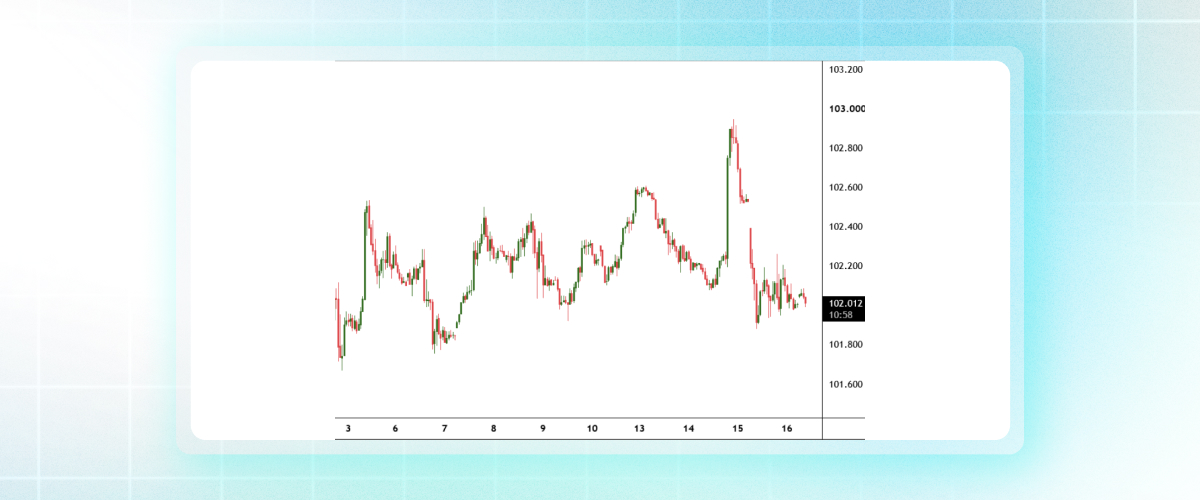
Key Takeaways
· Weaker Treasury yields weighed on the US dollar.
· Fed rate expectations remained sensitive to stronger inflation data.
Technical Outlook
· Daily Bias: Neutral
· Support: 101.75
· Resistance: 102.25
XAU/USD
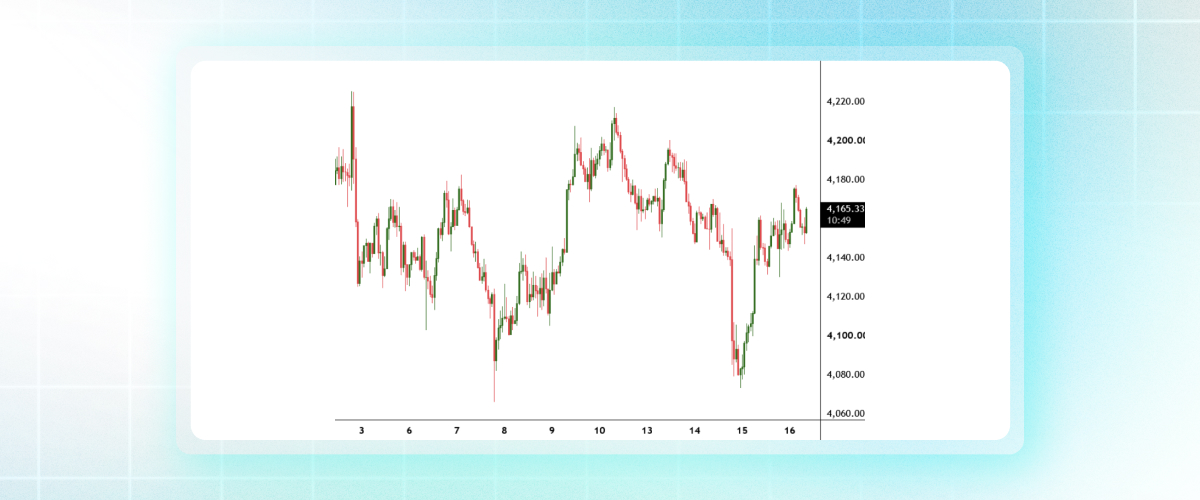
Key Takeaways
· Lower yields supported demand for non-yielding gold.
· A weaker dollar helped prices recover after three sessions of losses.
Technical Outlook
· Daily Bias: Bullish
· Support: 4,130
· Resistance: 4,177
WTI
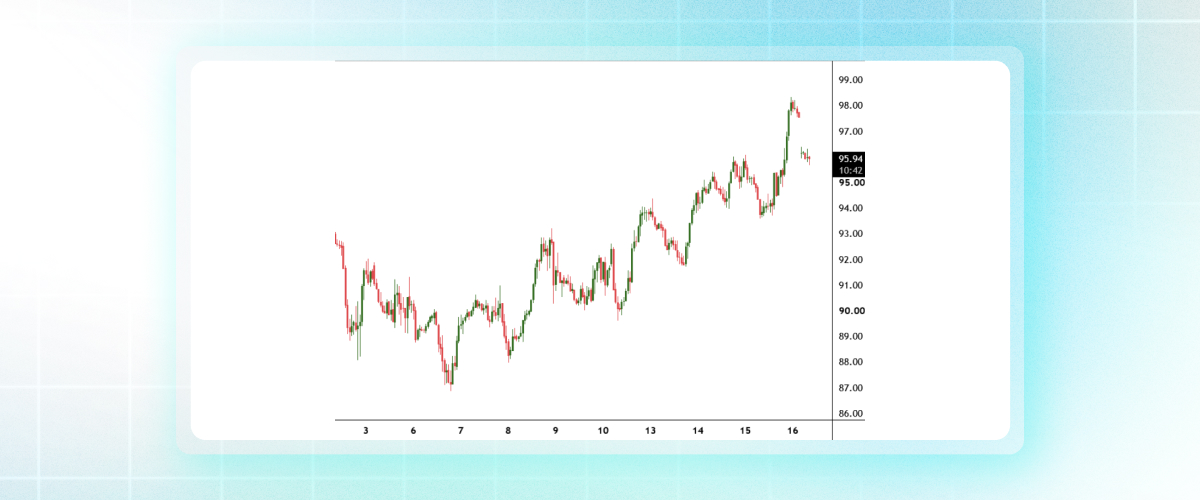
Key Takeaways
· Middle East tensions and shipping disruptions supported oil prices.
· Potential sanctions relief and additional supply measures limited upside momentum.
Technical Outlook
· Daily Bias: Bullish
· Support: 93.64
· Resistance: 98.31
Calendar Watch
· Fed Chair Kevin Warsh’s Remarks: Markets will monitor the discussion for broader insights into the global economic outlook and any comments relevant to the Federal Reserve’s policy outlook.
· US Import and Export Prices: The data will offer further insight into imported inflation and price pressures in traded goods, with potential implications for the dollar and interest-rate expectations.
· US Industrial Production and Capacity Utilisation: The releases will provide insight into manufacturing activity and industrial demand, helping investors assess the strength of the US economy.
Whether you are new to the markets or an experienced trader, stay connected to global markets with CPT Markets.
Access our trading platforms across multiple devices, with competitive spreads and fast execution.
This content is provided for informational purposes only and does not constitute investment advice, investment recommendations, or an offer or solicitation to buy or sell any financial instrument. Trading financial products such as Forex and CFDs involves a high level of risk and may not be suitable for all investors. You may lose all of your invested capital, and in certain circumstances, losses may exceed your initial deposit. Please ensure that you fully understand the risks involved and carefully consider your financial objectives, level of experience, and financial situation before trading.


Gold Slips Below $4,000 as Inflation Fears and a Hawkish Fed Outlook Outweigh US–Iran Tensions

GOLD Below $3,999 or Above $4,501? What Could the Coming Week Bring?

Gold Edges Lower as Fed Rate Outlook Clouds Markets

Week Ahead: Inflation Data and Fed Hike Bets Put Gold, USDX and S&P 500 in Focus

Yen Policy Shifts, Precious Metals React, and Oil Tracks Middle East Risks | 16th October, 2026

How Geopolitical Conflicts and Global Debt Impact Financial Markets

Oil Falls Amid Sanctions Relief Hopes and Shifting Market Sentiment