-482026738.png)
-482026738.png)





Oil in 2026: A New Market, A New Mindset for Traders

The oil market in 2026 no longer behaves like a traditional commodity market governed solely by supply and demand. Price action now reflects geopolitics, monetary policy, investor psychology, and the global energy transition.Oil has evolved from being merely fuel for transport and industry to becoming a strategic macro asset.Governments now use it to manage inflation, defend currencies, and project power. Prices increasingly move on expectations and narratives rather than confirmed data, making oil both an economic barometer and a political instrument.
Volatility is Structural, Not Temporary
Volatility in 2026 is not an anomaly. It is the defining feature of the market. Political statements, central bank signals, or regional conflicts can trigger sharp price swings even when physical supply remains steady.
Oil has become a market of expectations, where prices move ahead of events rather than in reaction to them.
This non-linear behaviour means small catalysts can trigger large reactions when confidence is fragile. For traders, volatility has shifted from being a temporary disruption to a permanent condition that must be managed, not feared.
For full analysis read this article

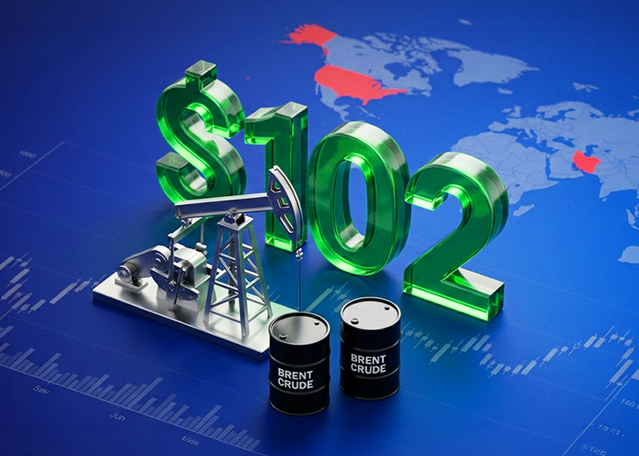
Today Fundamental Analysis: Oil Breaks Above $102 as Middle East Tensions Continue to Escalate

Today Technical Analysis: Copper Approaches Record Highs on Surging Demand

Dollar struggles to gain ahead of US inflation data, yen extends rally
EBC Markets Briefing | Crude prices on solid footing amid deep supply concerns

The yen is strengthening before our very eyes

The Inflation Measure Keeping the Fed Cautious

US Yields Rise Despite Buybacks; Eyes on ECB Hike