-1162026812.png)
-1162026812.png)





Oil Is Trading War Again — and $90 May Not Be the Ceiling

Everything in the oil market had been ticking along more or less as usual — until yesterday. The news flow ran something like this: Iran struck vessels in the Strait of Hormuz... the US revoked licenses allowing Iran to sell oil and launched heavy strikes against the country... Iran retaliated with major attacks on US facilities across the region... and, after striking Iran, Washington said it would still like talks to continue.
Against that backdrop, however, the US Treasury announced a ban on new sales of Iranian oil after 7 July.
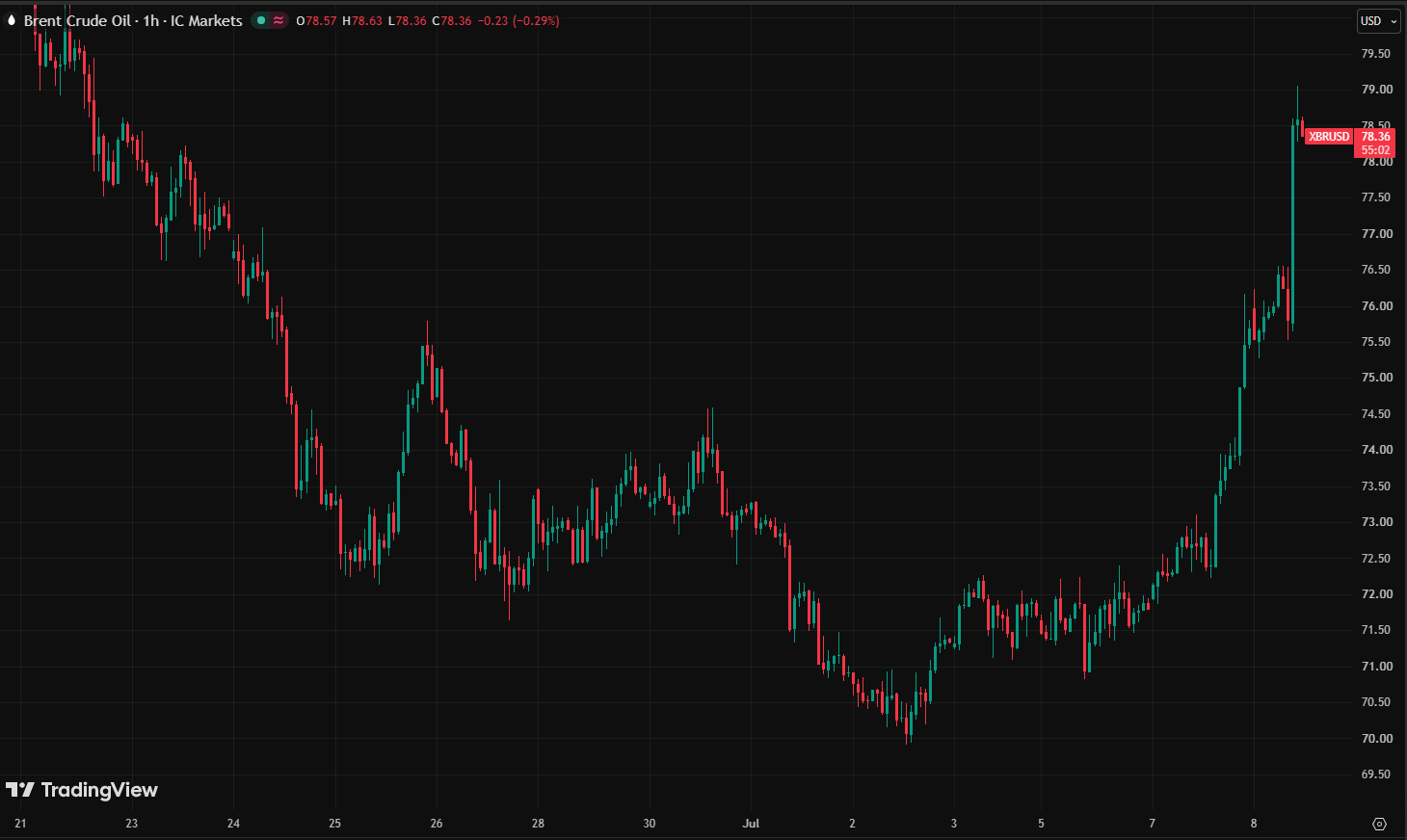
Oil initially edged higher on the escalation, reaching $76 a barrel. When tensions flared, roughly 10 mb/d may have been passing through the Strait of Hormuz on average, with Iran itself particularly active in moving crude through the waterway.
Provided there is no major escalation, consolidation within the $75–90 range remains the base case. But it is perfectly clear that the market is still some way from anything resembling stability.
And stability did not arrive.
This morning, Donald Trump announced that the US-Iran ceasefire was officially over, adding that he would allow negotiators to carry on with talks if they wished.
On the back of today’s and yesterday’s developments, oil has surged 7.5% in a single day and is now trading at around $82.50. Prices are therefore back at levels last seen on 22–23 June.
The renewed conflict has raised the prospect of fresh disruption to global energy supplies, with shipowners and regional producers potentially deterred from using this vital waterway.
The escalation marks a sharp reversal from earlier expectations of a supply glut, after OPEC+ raised production quotas and Middle Eastern producers moved to ramp up output.
The market is once again trading not the balance between supply and demand, but the price of geopolitical risk. At around $82.50, oil already carries a sizable premium for possible disruption — but this is still nowhere near the price of a full-blown crisis in the Strait of Hormuz. If shipowners begin avoiding the route an masse, insurance costs soar and exporters face physical constraints on deliveries, the market could very quickly stop treating $90 as the top of the range. In that scenario, oil would rise not because the world had simply run short of barrels, but because the market could no longer be certain those barrels would reach buyers at all.
Yet the other side of the move is becoming increasingly dangerous. The higher oil climbs purely on fear, the more brutal the reversal could be on any fresh diplomatic signal. The underlying threat of a supply glut has not gone away: OPEC+ has already raised quotas, producers stand ready to increase output, and the battle for market share has merely been put on hold.
Oil is now caught between two powerful forces — the physical risk of supply disruption and the threat of excess production. That is precisely why the market can move $5–10 in a matter of hours, and why the old, comfortable trading range no longer applies.

Today Fundamental Analysis: Oil Breaks Above $102 as Middle East Tensions Continue to Escalate

Today Technical Analysis: Copper Approaches Record Highs on Surging Demand

Dollar struggles to gain ahead of US inflation data, yen extends rally
EBC Markets Briefing | Crude prices on solid footing amid deep supply concerns

The yen is strengthening before our very eyes

The Inflation Measure Keeping the Fed Cautious

US Yields Rise Despite Buybacks; Eyes on ECB Hike