-1162026812.png)
-1162026812.png)





Oil: Up or Down – Take Your Pick

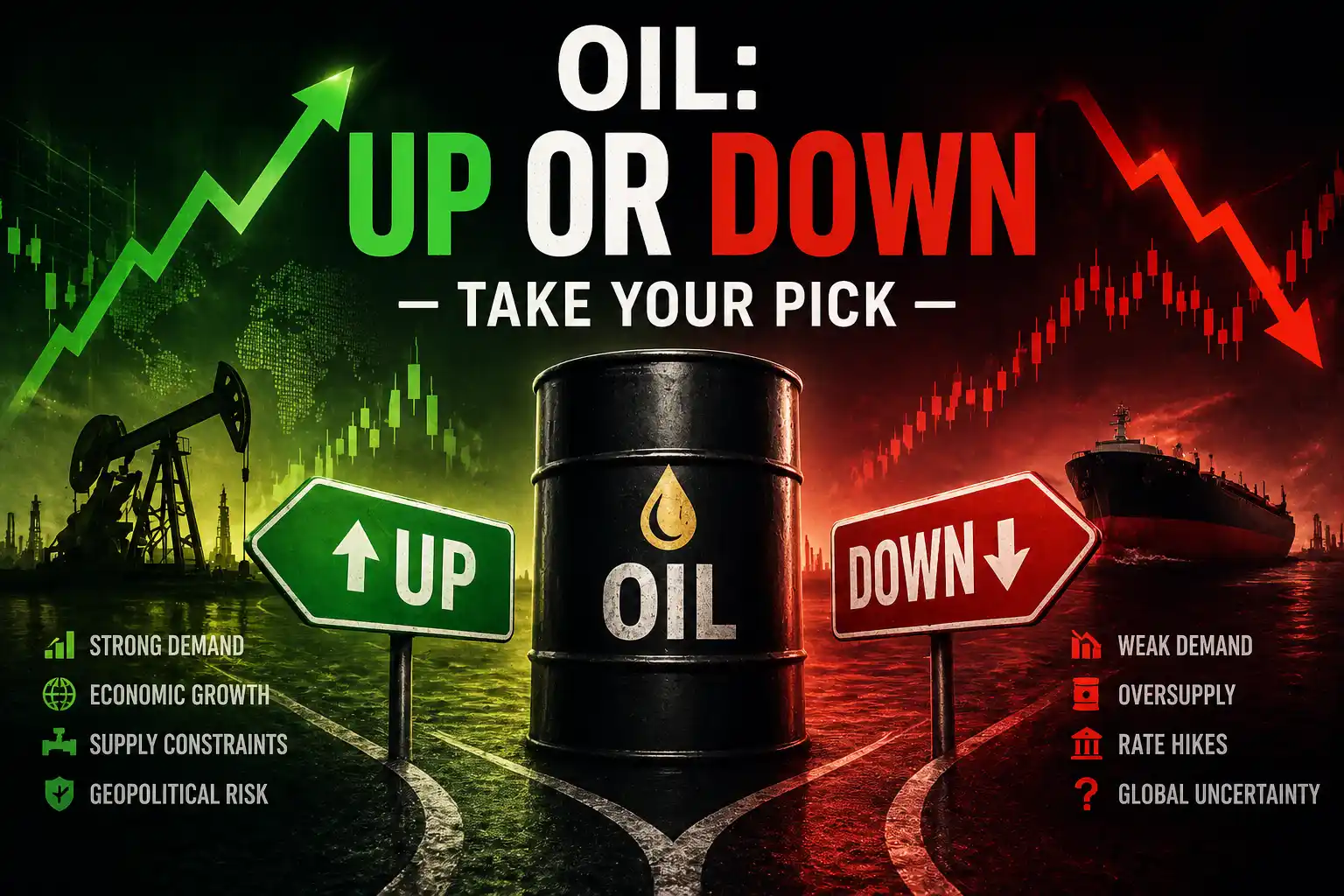
A rather curious standoff has been underway in the Middle East — despite the ongoing negotiations, yet neither side appears genuinely inclined to reach an agreement.
It is widely understood that this represents little more than a lull before further escalation. The United States is not prepared to accept the current status quo and is therefore likely to persist with its actions. In response, Iran is deploying its principal economic lever and has not lifted the blockade of the Strait of Hormuz.
This dynamic is clearly reflected in commodity markets. Oil remains above $100 per barrel, with end prices reaching as high as $150. The gas market is similarly strained, with buyers from Europe and Asia effectively competing for cargoes, at times outbidding one another even while shipments are already at sea.
Even in the event of a settlement, the gas market is likely to remain structurally tight. Major facilities in Qatar are expected to be offline for 3–5 years, whilst new capacity in the United States will only partially compensate for the shortfall. As such, the era of cheap energy appears to be postponed once again.
To this must be added rising logistics and insurance costs, which are set to intensify the situation further. Industry experts suggest that pre-conflict freight rates are unlikely to return, as carriers seek to recoup losses — effectively embedding a “war premium” into the cost of every shipment.

Can Inflation Data Trigger the Next BTC Breakout?

EBC Markets Briefing | Euro eyes more gains on mounting dollar debasement risks

Today Technical Analysis: Japanese Yen Hits Highest Level Against the Dollar Since February
Today Fundamental Analysis: US Indices Decline as Oil Extends Gains Amid Persistent Tensions

Crypto: retail traders prefer to sell

Yen and oil advances keep risk appetite muted

Silver Holds Above $66 as Rate Outlook Limits Recovery