





Risk appetite fades as both oil and yields surge


Oil prices rise
Amidst rather thin liquidity conditions and with the big trading desks being in risk management mode, Middle East developments remain the key market factor driving risk appetite. It has been evident over the past week that there was a lack of momentum in the Oman-Iran negotiations, keeping the door open to all possible scenarios.
It remains equally likely that an interim agreement could be reached this week or that military operations could restart, with investors scratching their heads about the short-term outlook. Despite US envoy Jared Kushner’s positive commentary yesterday about robust conversations between the US and Iran, the repeated attacks on vessels crossing the Strait of Hormuz and rhetoric from Iranian officials that the country is shifting its stance to the offensive are harbingers of another escalation.
Spot WTI oil prices are trying to climb above the $85 level, at the time of writing, building upon yesterday’s solid rally, but remain around 10% below the July 23 peak, partly due to the shadow fleets keeping Middle Eastern oil flowing. However, the December 2026 WTI oil futures contract has surpassed the late-July peak, clearly reflecting increased market angst about the medium-term outlook, especially amid a period of escalation in the Ukraine-Russia war.
Higher bond yields dent risk appetite
Risk sentiment is retreating, as Asian equity markets posted losses today after a difficult US session yesterday. These moves come on the back of sovereign bond yields climbing to multi-year highs across regions. The 10-year US Treasury yield is trading at 4.75%, the UK equivalent is flirting with 5.1%, while the Japanese 10-year yield reached 2.94% - the highest level since 1996. These moves are substantial and reflect outsized inflation expectations and elevated funding concerns, especially for the US, which is just 40 days away from a possible September 30 government shutdown.
One would have expected a strong negative reaction in US equities and particularly in the Nasdaq 100 index. This index contains the most yield-sensitive stocks, especially the AI-related sector, which is on course for trillions of dollars of investment that are becoming more expensive due to the higher funding costs, and the higher energy and commodity prices. Interestingly, the tailwind of softer Fed hike expectations is weakening, as markets are tightening financial conditions, essentially doing the Fed’s work.
Markets are currently pricing in a 32% chance of a 25bps Fed rate hike in September, with this week’s consumer-related earnings announcements such as Home Depot, Target and Walmart potentially acting as a headwind for more hawkish Fed expectations. More importantly, today’s calendar is full of housing-related data releases; a negative set of data could dent the current September Fed bets even further.
US dollar recovers; dollar/yen rises
The higher Treasury yields and the dented risk appetite are giving a helping hand to the US dollar, amid generally muted market movements. However, most investment houses remain negative on the dollar on fiscal issues, rising debt and a less hawkish FOMC, with the June TIC data showing a drop in foreign holdings of US Treasuries, led by reductions by Japan and China.
The most noticeable movement is in dollar/yen, with the yen failing again to take advantage of dollar weakness. The pair is powering ahead towards 160, recovering half of the late-July intervention decline. Interestingly, dollar/loonie is also climbing, reversing yesterday’s drop due to the stronger Canadian inflation as investors focus on the last-minute tariff negotiations. As a reminder, tomorrow, August 19, is the tariff deadline set by Trump to impose 50% tariffs on certain Canadian imports.
Finally, the UK’s negative claimant count change and the strong average earnings figures were cancelled by the stable unemployment rate, leaving the pound at the mercy of markets. The real test for sterling will come tomorrow as an unlikely upside surprise in the July CPI report would reignite BoE rate hike bets.


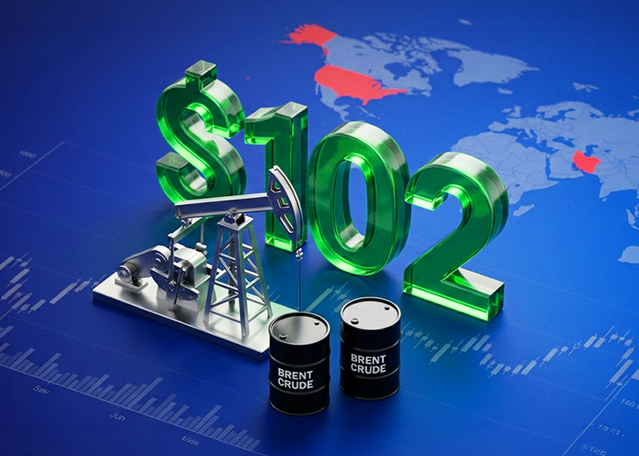
Today Fundamental Analysis: Oil Breaks Above $102 as Middle East Tensions Continue to Escalate

Today Technical Analysis: Copper Approaches Record Highs on Surging Demand

Dollar struggles to gain ahead of US inflation data, yen extends rally
EBC Markets Briefing | Crude prices on solid footing amid deep supply concerns

The yen is strengthening before our very eyes

The Inflation Measure Keeping the Fed Cautious

US Yields Rise Despite Buybacks; Eyes on ECB Hike