-482026738.png)
-482026738.png)





S&P 500 Falls as Oil and Stagflation Fears Return

The S&P 500 came under pressure again as markets moved back into risk-off mode. After two sessions of relief, the tone shifted quickly when President Donald Trump said the US would hit Iran “extremely hard” within weeks, without giving any clear timeline for when the conflict might ease or when the Strait of Hormuz might reopen. That uncertainty removed much of the support behind the recent rebound and pushed traders back towards more defensive positioning.
The immediate pressure point was oil. Brent crude rose about 5% to $106.16 a barrel, bringing the inflation issue back into focus just as investors were starting to look for signs of stabilisation. For equities, this is where the problem becomes more serious. Higher oil prices feed directly into transport, production and household costs, which puts pressure on corporate margins and consumer spending at the same time. The market can tolerate geopolitical tension for a while, but it becomes much harder to look through when energy prices stay elevated and supply disruption shows no clear path to resolution.
Investors are no longer simply reacting to the existence of conflict. They are trying to assess how long energy routes remain impaired and how much damage builds while oil stays high. When inflation risks rise at the same time that growth expectations weaken, the equity market loses one of its main supports. Instead of pricing a cleaner recovery, traders start questioning how much earnings and risk appetite can absorb.
The dollar added another layer of pressure. The US dollar index rose 0.3% to 99.858, while the euro slipped 0.25% to $1.156, showing that investors were moving back into defensive assets. For the S&P 500, a firmer dollar matters because it tightens financial conditions and can weigh on multinational earnings once overseas revenues are translated back into US dollars. When markets are already dealing with higher energy costs and a more fragile macro backdrop, a stronger dollar tends to make recovery attempts less convincing.
From a technical perspective, the index remains under pressure despite trying to stabilise. The cash S&P 500 traded at 6517.28, down 65.71 points or 1.00%, while futures also fell around 1%. Price is attempting to recover after dropping to a recent low at 6318, but the broader structure still looks weak following the rejection from the 7017 high. The rebound so far has lacked strong follow-through, which makes it look more like a corrective bounce than a decisive turn higher.
Discover how oil, the dollar and stagflation risk are shaping the next move in the S&P 500 in this article.

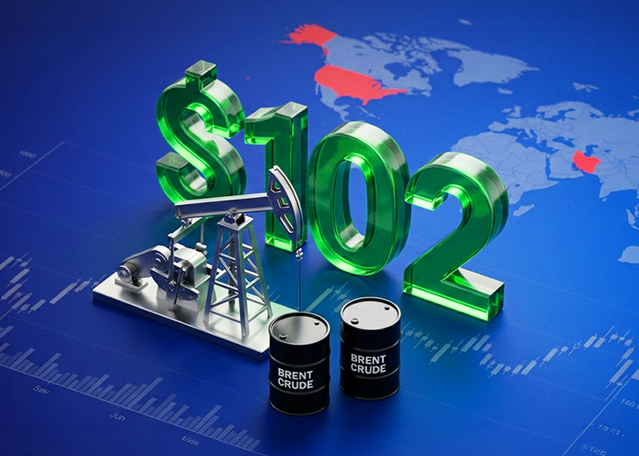
Today Fundamental Analysis: Oil Breaks Above $102 as Middle East Tensions Continue to Escalate
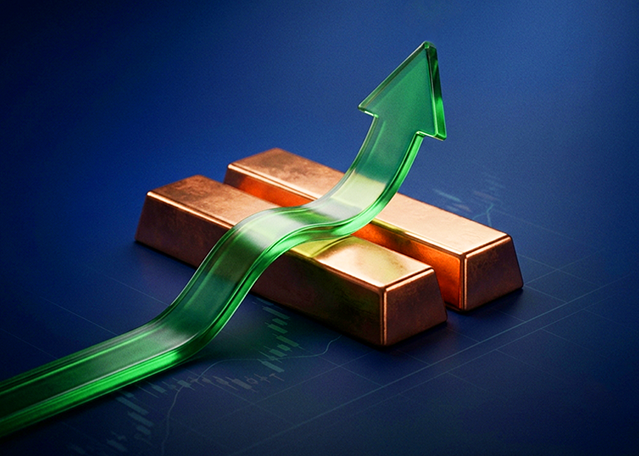
Today Technical Analysis: Copper Approaches Record Highs on Surging Demand

Dollar struggles to gain ahead of US inflation data, yen extends rally
EBC Markets Briefing | Crude prices on solid footing amid deep supply concerns

The yen is strengthening before our very eyes

The Inflation Measure Keeping the Fed Cautious

US Yields Rise Despite Buybacks; Eyes on ECB Hike