-482026738.png)





September Market Review: Fed Rate Hike, AI Momentum and October Outlook

Key Takeaways
- The Federal Reserve raised interest rates by 25 basis points to 3.75%–4.00%, its first increase in more than three years.
- The US dollar strengthened as markets adjusted to a more hawkish Fed outlook and the possibility of further tightening.
- US equities remained resilient, with the S&P 500 and Nasdaq reaching fresh highs despite higher yields and a stronger dollar.
- Oil prices retreated as immediate supply concerns eased, reducing some pressure on the inflation outlook.
- Gold remained volatile, balancing pressure from higher yields against continued safe-haven demand.
- Bitcoin rebounded above $86,000 as institutional demand and crypto investment flows improved.
- October attention will centre on US employment and inflation data, Q3 earnings, Fed expectations and global trade developments.

September was dominated by a major shift in Federal Reserve expectations as stronger US employment and inflation data pushed markets towards a more hawkish policy outlook.
The Fed ultimately delivered a widely anticipated 25-basis-point rate increase, lifting rates to 3.75%–4.00%. Markets instead focused on what could come next, particularly after policymakers signalled that another increase remained possible if inflation pressures persisted.
The US dollar and Treasury yields moved higher, but equities proved surprisingly resilient. AI investment, corporate earnings and technology-sector optimism helped offset some of the pressure from tighter financial conditions.
Dollar Strengthens as Fed Keeps Tightening on the Table
The US Dollar Index broke above 100 for the first time in nearly seven weeks, while EURUSD moved towards the 1.14 area. USDJPY also remained volatile as higher US yields supported the pair while intervention risks limited further upside.
Key factors influencing the dollar include:
- Fed Policy: Further tightening remains possible if inflation stays persistent.
- Treasury Yields: Higher yields continue to support demand for the dollar.
- Labour Data: Employment conditions will influence expectations for the next Fed move.
- Policy Divergence: Differences between the Fed and other major central banks remain important for currency markets.
Oil Retreats as Supply Risks Ease
Oil markets moderated in September as earlier concerns around supply disruptions began to fade. Brent crude had previously climbed towards $108 amid concerns over Middle East tensions and shipping risks. By month-end, prices had eased towards $100 as immediate fears of supply interruptions declined.
Lower oil prices provided some relief for the inflation outlook. Energy costs remain an important contributor to headline inflation, meaning a sustained decline could reduce pressure on consumers and potentially give central banks more policy flexibility. However, geopolitical supply risks have not disappeared. Renewed disruption around major shipping routes could quickly restore a risk premium to oil prices.
AI Optimism Keeps Equities Resilient
Equity markets continued to advance in September despite higher Treasury yields, a stronger dollar and a more hawkish Federal Reserve. The S&P 500 and Nasdaq reached fresh record highs, supported by corporate earnings and continued enthusiasm around artificial intelligence investment.
Semiconductor companies and technology firms exposed to data centres, cloud computing and AI infrastructure remained a major focus. Companies including Intel, AMD and Qualcomm recorded notable gains as investors continued to assess the potential returns from AI spending. The focus is increasingly shifting from how much companies are investing in AI to whether those investments can generate enough revenue and earnings growth to justify elevated valuations. October's Q3 earnings season will therefore be an important test for equity momentum.
Gold Balances Higher Rates Against Safe-Haven Demand
Gold experienced a volatile September as investors weighed higher interest rates and a stronger dollar against continued demand for defensive assets.
Following the Fed decision, gold fell more than 1% as Treasury yields and the dollar moved higher. Prices briefly approached $4,240 after trading above $4,365 earlier in the session. However, downside pressure remained contained as fiscal concerns, geopolitical uncertainty and longer-term inflation risks continued to support safe-haven demand.
Gold's October direction will remain closely tied to Fed expectations and Treasury yields. Higher yields could create further pressure, while renewed economic or geopolitical uncertainty could strengthen defensive demand.
Bitcoin Rebounds as Institutional Demand Improves
Bitcoin delivered a strong recovery in September as institutional participation and broader crypto sentiment improved. Bitcoin climbed from the high-$70,000 range to above $86,000 later in the month. The recovery coincided with renewed inflows into Bitcoin and Ethereum investment products, suggesting continued institutional interest.
Regulatory developments also remained in focus, including progress surrounding the CLARITY Act and the potential for clearer US digital-asset market rules. Bitcoin and Ethereum moved broadly together during the recovery, while stronger participation across the wider crypto market suggested improving risk appetite.
However, tighter financial conditions remain a potential headwind. Liquidity, institutional flows and regulatory developments will remain important drivers in October.
Early Signals for October
Several themes will be important:
- Fed Policy and NFP: Strong employment data could reinforce the case for keeping rates restrictive, while softer labour conditions could give policymakers more room to wait.
- Inflation and Growth: Stronger GDP alongside softer PCE inflation has created a mixed backdrop for future Fed decisions.
- Bitcoin: Institutional flows, liquidity and regulatory developments will determine whether September's recovery can continue.
- Global Trade: US-China relations remain important for risk sentiment, commodities and safe-haven demand.
September demonstrated that risk assets can remain resilient even as monetary conditions tighten. However, October may provide a more difficult test.
Stronger economic growth could support corporate earnings, but it could also keep rates elevated. Softer inflation may give the Fed more flexibility, while Q3 earnings and global trade developments could introduce new sources of volatility.
Ultimately, October's market direction will depend on how investors balance economic resilience, inflation, tighter financial conditions, corporate earnings and geopolitical uncertainty.
For a deeper view of cross-asset performance, macro drivers and trading opportunities for October, read the full article.


USDJPY recovery eyes key SMA resistance band

The euro has slipped out of its range

Higher Yields Reshape Currency Markets | 1st October, 2026

Today Technical Analysis: Gold Bounces Off $4,110, but Downward Pressure Remains Strong
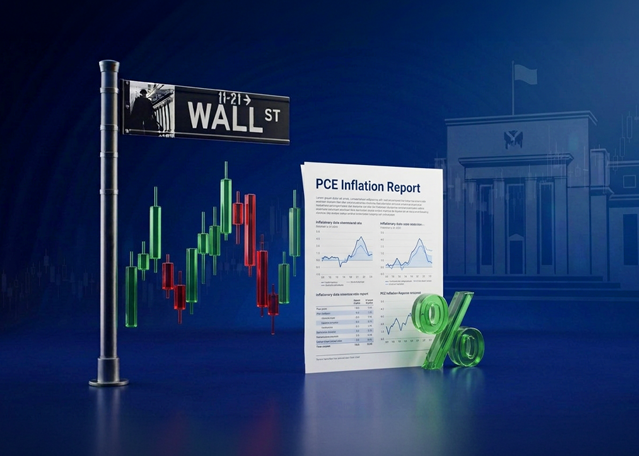
Today Fundamental Analysis: Wall Street Mixed Ahead of Closely Watched PCE Inflation Report

The dollar has retreated from the edge

EUR/USD Breaks July Support as Yield Gap and Energy Shock Favor the Dollar