-1162026812.png)
-1162026812.png)





The RBA Leads the Turn While Global Rate Cuts Fade from View

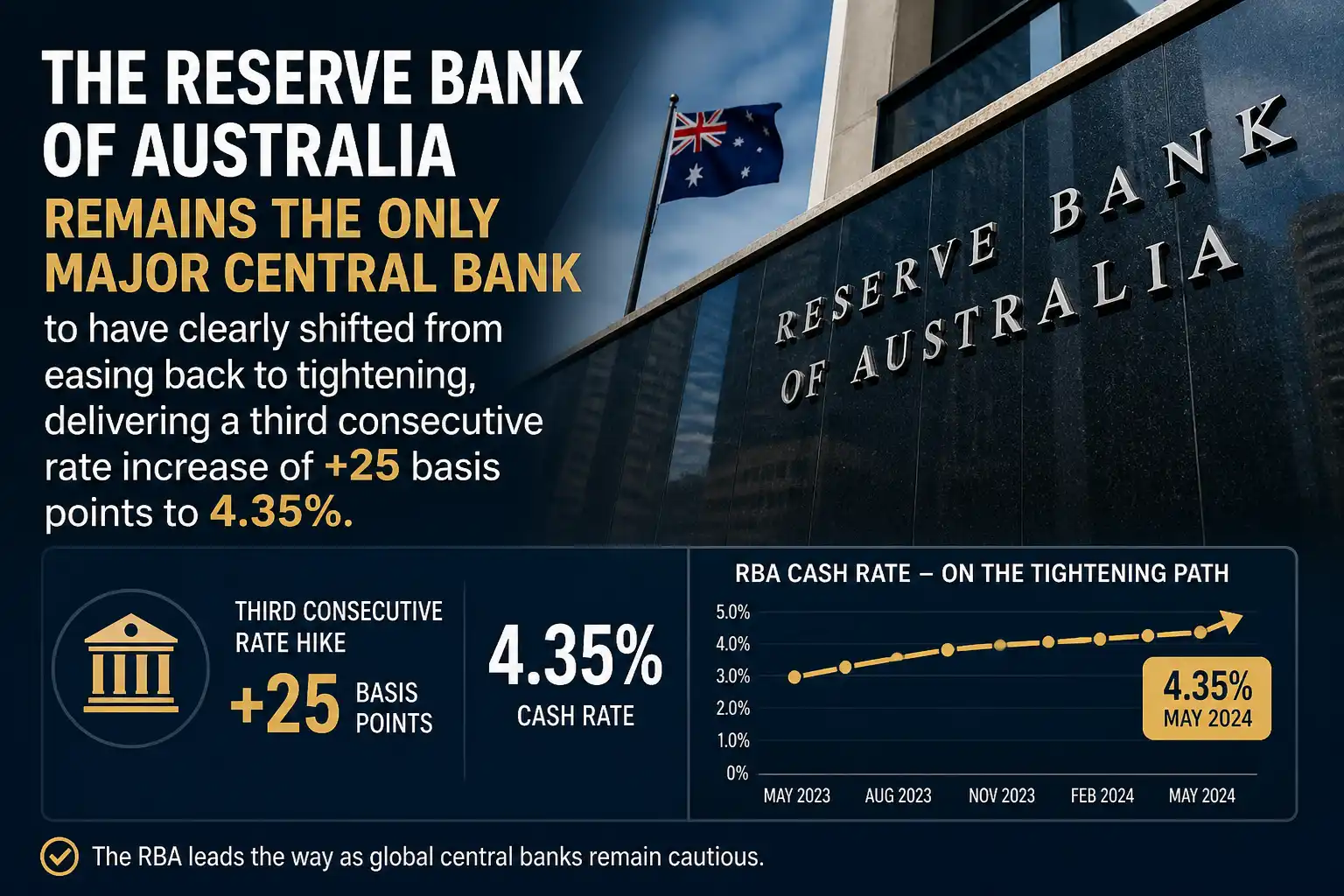
The Reserve Bank of Australia remains the only major central bank to have clearly shifted from easing back to tightening, delivering a third consecutive rate increase of +25 basis points to 4.35%.
For Donald Trump, this is evidently a sensitive matter, and he once again remarked today that “rates are too high”. However, the current environment no longer supports expectations of rate cuts in the near term. The probability of the Fed's reduction at the June meeting now stands at 0%. More notably, markets are beginning to price in roughly a 60% probability of a rate increase by spring 2027, suggesting a growing recognition that a swift resolution is unlikely.
The inflation in the United States currently stands at 3.5%, which implies that the Fed may once again need to revise its inflation projections upwards at the 17 June meeting — and, this time, potentially adjust the expected path of interest rates as well. This meeting will also take place under the leadership of a new Chair, and markets will be watching closely to assess how firmly the new Head can maintain independence in the face of long-standing political pressure to lower rates.
Meanwhile, in the Middle East, what had been a prolonged period of relative calm has given way to renewed escalation, with strikes targeting the UAE’s principal export terminal at Fujairah Port. Interestingly, each time oil futures approach the $120 level, the intensity of the news flow appears to subside, suggesting that this price point may represent a politically sensitive threshold for Trump.
Returning to the broader question — will other central banks follow the path taken by the Reserve Bank of Australia, and if so, when?Trade smart with Headway

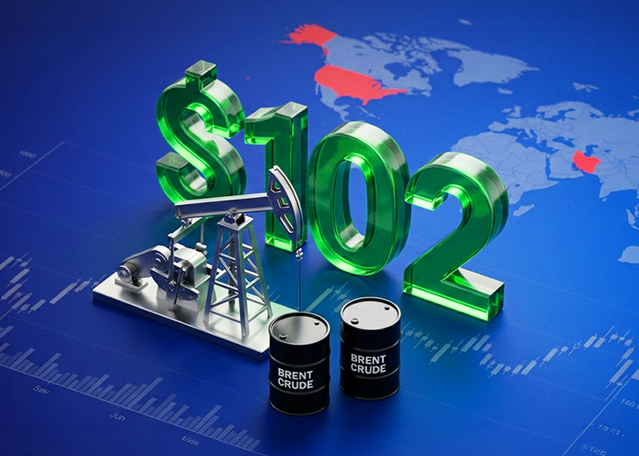
Today Fundamental Analysis: Oil Breaks Above $102 as Middle East Tensions Continue to Escalate
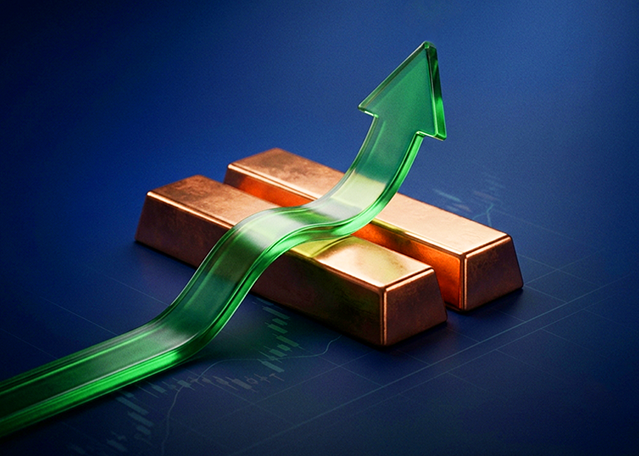
Today Technical Analysis: Copper Approaches Record Highs on Surging Demand

Dollar struggles to gain ahead of US inflation data, yen extends rally
EBC Markets Briefing | Crude prices on solid footing amid deep supply concerns

The yen is strengthening before our very eyes

The Inflation Measure Keeping the Fed Cautious

US Yields Rise Despite Buybacks; Eyes on ECB Hike