






EBC Markets Briefing | Wall St stunned by Brazil's status quo vote

Brazilian financial assets suffered a historic selloff on Monday as markets reeled from President Luiz Inácio Lula da Silva's unexpected comeback victory in the presidential runoff election.
He overcame a surprise first-round deficit from earlier this month to defeat right-wing challenger Flávio Bolsonaro who is widely seen as more business-friendly and cautious on government spending.
iShares MSCI BRAZIL ETF (EWZ.P) dived roughly 20%, marking the second-worst daily drop in the fund's 26-year history. The Lula administration has endured a rocky relationship with Trump.
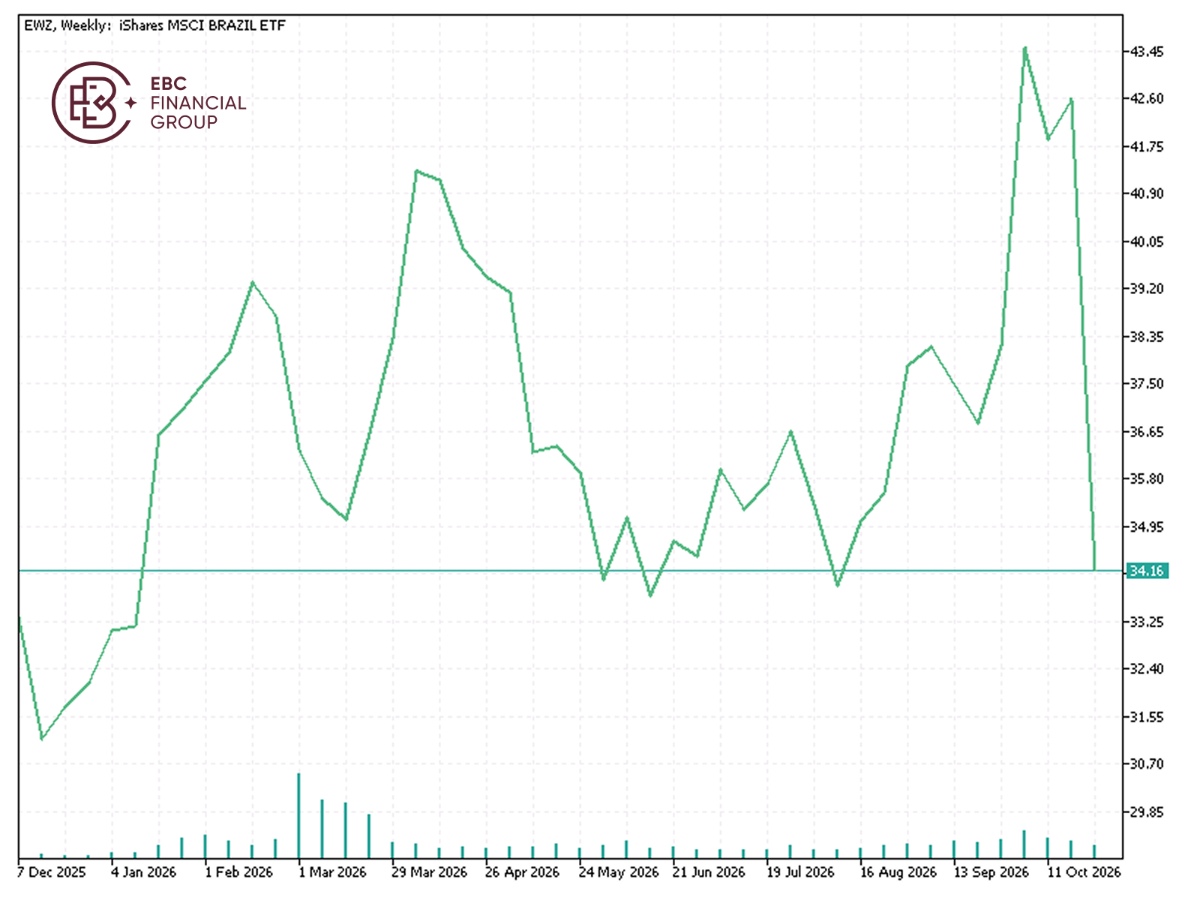
The opposition party favours privatisation, spending cuts and close alignment with the US. Trump announced 50% tariffs on Brazil in July 2025 in response to what he labelled a "witch-hunt" trial against Jair Bolsonaro.
The result also defies Latin America's ongoing strong conservative and right-wing political shift, with Bolivia, Chile, Colombia and Peru all inaugurating conservative leaders in the last 12 months.
Nearly three years into his presidency, Argentine President Milei has turned a chronic fiscal deficit of 5 points of GDP into an uninterrupted budget surplus and reduced annual inflation to roughly 30% from nearly 300%.
According to the Brookings Institution, this marks a defining juncture for Latin America, serving as a critical litmus test for the "Donroe Doctrine" and the realignment of global rare earth supply chains.
Unrestricted outlay
Brazil's budget deficit stands at 9.48% of GDP, fuelling concerns about whether the next administration will be able to deliver fiscal discipline and bring the national books under greater control.
Lula's core economic philosophy centres on driving GDP growth through consumer demand and direct state investment. His expansionary policies have boosted deficits, including Bolsa Família social grant.
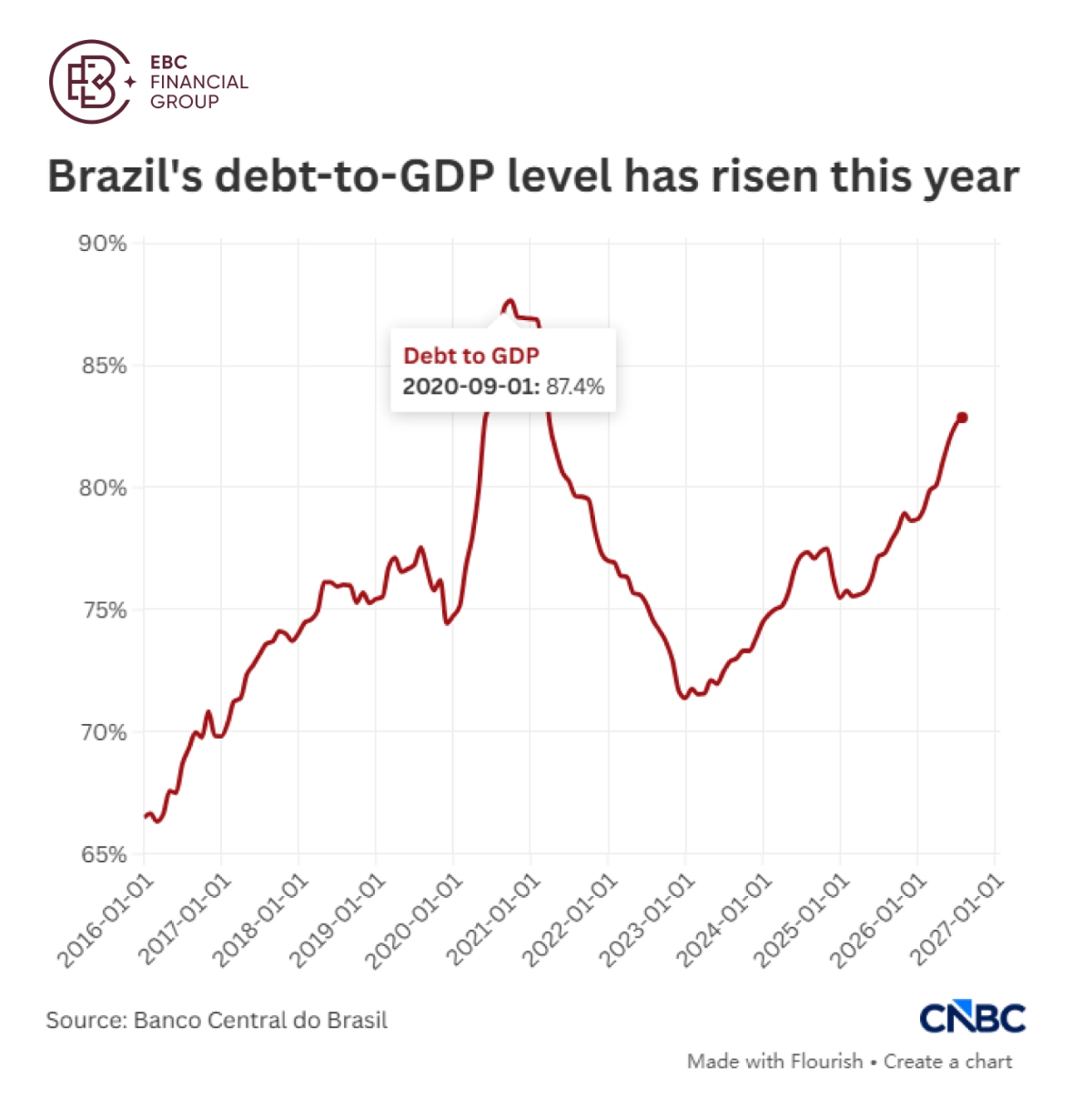
With a poor track record, Lula will be grappling with the much-anticipated spending cuts given his pledge to end hunger and eliminate domestic poverty. There are few signs of a change of tack.
Lula views traditional austerity measures—such as cutting social programmes or freezing real minimum wage growth—as harmful to the working class and contradictory to their core mission of reducing inequality.
In September, government cut its 2026 GDP growth forecast from 2.3% to 2%. The downgrade reflects weakening industrial and service outputs, which overshadowed a strong performance in the agricultural sector.
Real rates remain among the highest in the world as policymakers strive to bring inflation back to the official target. Despite the tailwinds for bank stocks, a weak real has turned away foreign investors.
The real bottomed out at its record low in December 2024. Still major financial analysts project downward pressure, increased volatility, and a weakening outlook for the currency.
Drilling party
Trade surplus in crude oil and oil products reached a record $31.22 billion in the first nine months of 2026, up 40% from the same period last year. The problem is oil prices can hardly hold over $100 over the long term.
Economists point out that now fuel cost acts as a severe tax on global consumers. Consequently, growth slows down drastically, which naturally forces a drop in energy demand.
Exit polls show a deadlocked Israeli election as both PM Benjamin Netanyahu and his chief challenger, former military chief Gadi Eisenkot, fell well short of a governing majority.
Unlike Netanyahu, who explicitly campaigns on toppling the Tehran theocratic government, Eisenkot has publicly stated that is "not an achievable goal" and prioritises tactical containment.
If he emerges victorious in the end, the direct military campaign against Iran would likely end more easily. Besides, US voters will go to the polls next week for midterm elections.
A Democratic victory in either chamber would drive a shift toward diplomacy, aligning with the party's active campaign to bring a swift end or strict limits to the conflict.
Whereas supply-driven oil boom helped supercharge Brazil stocks, the twin risks of demand destruction or geopolitical de-escalation may slam a brake on the uptrend.
EBC Financial Group Disclaimer: This material is for general information purposes only and is not intended as (and should not be considered to be) financial, investment or other advice on which reliance should be placed. No opinion given in the material constitutes a recommendation by EBC Global Financial Collaboration or the author that any particular investment, security, transaction or investment strategy is suitable for any specific person.


Stocks and dollar climb ahead of Fed, kiwi sinks on RBNZ shock

Crypto recovers as Fed decision looms

Dollar Firms and Oil Rebounds Ahead of Fed Decision

FOMC Today, ECB Tomorrow — Will GOLD Break Above $4,160 or Fall Below $3,950?

EBC Markets Briefing | Chinese stocks at critical crossroads as earnings season unwinds

Fed Rate Decision in Focus as Currencies React to Inflation and Policy Divergence | 28th October, 2026

FOMC and Month-End: How FX Hedging Flows Can Move Currency Markets