-1162026812.png)
-1162026812.png)





THE MONEY IS THERE. GETTING IT OUT ISN’T: 131 TURKISH FUNDS COLLAPSE

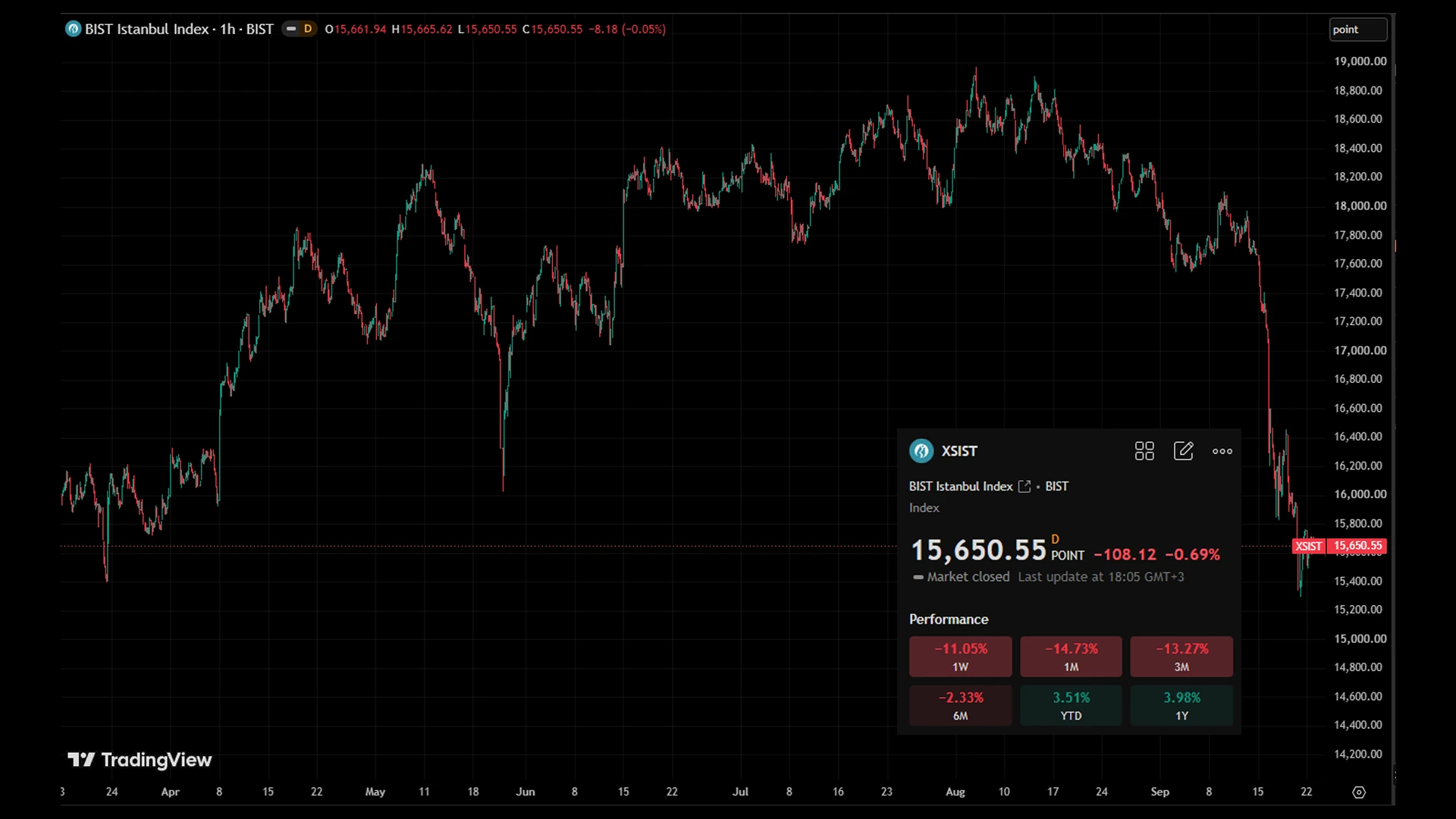 Turkey’s financial markets are under pressure once again. This time, however, the shock has come from an unexpected corner of the market — the investment fund industry. The savings of approximately 353,000 investors have been caught up in the turmoil, while 131 funds with more than $18 billion in assets have been placed into liquidation.
It began with something seemingly routine: investors wanted their money back. The problem was that some asset managers were unable to meet redemption requests quickly enough.
Pusula Portföy was the first to report difficulties, followed by Tera Portföy. More strikingly, the problems extended to a money market fund — precisely the type of product many investors regard as being close to cash.
That exposed the underlying weakness.
Behind the exceptional returns of some funds were substantial positions in illiquid shares. As long as money continued to flow in, the mechanism worked: funds bought shares, prices rose, performance improved and stronger returns attracted yet more capital.
Once the flows reversed, however, the same mechanism began working in the opposite direction.
On 16 September, isolated redemption problems developed into a full-scale fund run. Investors rushed to withdraw their money, but selling illiquid holdings without accepting substantial discounts proved difficult. Fund managers therefore began selling the assets they could still liquidate quickly.
The BIST 100 fell by more than 5%.
A classic feedback loop followed: redemptions forced funds to sell, selling pushed markets lower, and falling markets triggered further redemptions.
By 17 September, the authorities had stepped in. The central bank provided additional liquidity, regulators eased certain requirements and operations at the affected asset managers were suspended. Ultimately, 131 funds were placed into liquidation, with the period allowed for asset disposals extended to six months in an effort to avoid a disorderly fire sale.
Perhaps the most revealing aspect of the episode is not the fall in the stock market, but how quickly the illusion of liquidity can disappear.
An asset can look perfectly sound on a valuation statement for as long as nobody needs to sell it. Its real market value becomes apparent when thousands of investors demand their money back at the same time.
The difficulties involving a money market fund are particularly significant. When investors begin to lose confidence in an instrument they had previously regarded as almost equivalent to cash, a liquidity crisis can quickly become a crisis of confidence.
For now, events in Turkey do not appear to constitute a full-scale banking or systemic financial crisis. But they offer a stark reminder of one of the most uncomfortable realities of financial markets:
Price is what you see on the screen. Liquidity is whether you can actually get your money out.And sometimes there is a very large gap between the two.Trade smart with Headway


Gold buying by central banks has hit its highest rate since 2024.

Daily Technical Analysis: Gold Reclaims $3,900 After Hitting Its Lowest Level Since October 2025

Daily Fundamental Analysis: Wall Street Starts November on a Cautious Note Ahead of US Midterm Elections

Bitcoin tests key support as election uncertainty and tech sell-off weigh

Will gold climb back above $4,000?

Crypto turns gloomy

US midterm elections in the spotlight as stock market rout persists