-482026738.png)
-482026738.png)





Quantum Computing Infrastructure Fuels Next-Gen AI Growth

Key Takeaways
- Governments are investing billions in quantum infrastructure to prepare for AI and cybersecurity demand.
- Current quantum devices are experimental; hybrid quantum-classical systems are the practical near-term opportunity.
- AI and enterprise security are driving early commercial adoption before fully fault-tolerant quantum computers exist.
- Investment exposure is strongest in companies enabling the quantum ecosystem rather than pure hardware plays.
- Markets may overprice future potential; understanding timelines, adoption, and supporting layers is key.
The U.S. and France are making multi-billion-dollar investments in quantum technology, including $1 billion for IBM’s New York quantum-chip facility and €1.5 billion in France for microelectronics. These funds aim to establish domestic capabilities and strategic advantage, preparing the compute ecosystem for future AI and cybersecurity demands.
Quantum Computing Basics and Progress
Quantum computers use qubits with superposition and entanglement, enabling parallel problem-solving beyond classical systems. Current NISQ devices are experimental, limited by error rates and cooling requirements. Companies like IBM, Google, and Microsoft are advancing error correction, topological qubits, and scalable architectures toward usable hybrid quantum systems.
Hybrid Quantum-Classical Systems Bridge the Gap
Practical adoption lies in hybrid systems that combine quantum and classical computing, enabling enterprises to run specialized AI workloads and enhance cybersecurity before fully fault-tolerant quantum computers are available. Supporting hardware—control electronics, cryogenic systems, and high-performance chips—forms the foundation for this emerging market.
AI and Quantum Integration
AI demands more compute power, secure data handling, and specialized infrastructure, creating a direct link to quantum investments. Post-quantum cybersecurity, quantum-enhanced AI workloads, and hybrid systems are the first revenue-generating applications. These developments allow market participants to access exposure ahead of broad commercial deployment.
Market Implications and Investment Opportunities
Investors should target companies that enable the quantum ecosystem, such as hardware suppliers, AI compute integrators, and cybersecurity providers.
Pure-play quantum hardware carries higher execution risk, making infrastructure and hybrid system providers a more practical near-term avenue. Awareness of valuation and timelines is critical as markets price in potential future adoption.
Explore how hybrid quantum systems, AI compute, and post-quantum cybersecurity are creating selective early opportunities in this article.


THE US BOND YIELDS SURGE AS POLICY RISKS COLLIDE💥
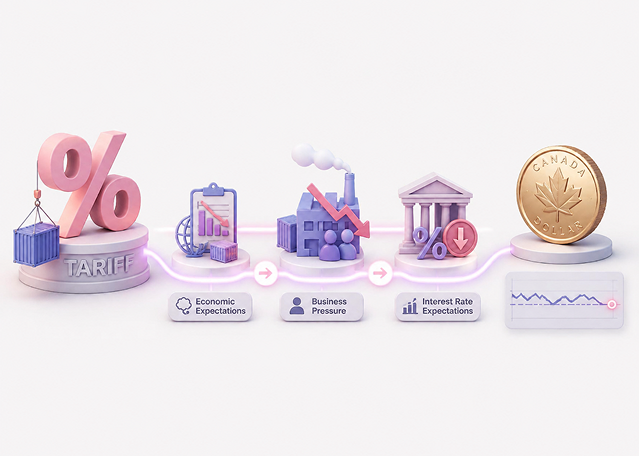
Canadian Dollar Shrugs Off Tariff Shock as Markets Focus on Bigger Risks

Week Ahead: Gold, Jobs Data and Fed Policy Shape September Markets

Today Fundamental Analysis: Oil Extends Gains for a Second Day as US-Iran Tensions Escalate

S&P 500 Retreats as Oil Surge Revives Inflation Fears

Today Technical Analysis: Gold Slides Further on US Dollar Strength, While Silver Remains Resilient
Nikkei 225 Rebounds as Investors Weigh Policy Risks