-482026738.png)
-482026738.png)





USDX Pulls Back as US-Iran Deal Hopes Ease Safe-Haven Demand

Key Takeaways
- US-Iran ceasefire optimism reduced safe-haven demand, pressuring the dollar.
- Brent fell $1.04 to $92.67 and WTI dropped $1.26 to $87.64, easing inflation risk.
- USDX last traded near 98.988, ending the week on track for a 0.3% decline.
- US inflation remains high: PCE rose 3.8% YoY, core PCE 3.3%, keeping the dollar supported.
- Next directional move depends on Trump’s approval of the 60-day ceasefire, oil trends, and Fed rate expectations.
The US Dollar Index held steady at 98.988, up 0.05% after reaching a session high of 99.033, but is on track for a 0.3% weekly decline, ending two weeks of gains.
Reports of a proposed US-Iran deal to extend the ceasefire for 60 days and lift shipping restrictions through the Strait of Hormuz lowered safe-haven flows and reduced defensive demand for the dollar. The agreement still requires President Trump’s approval.
Oil Prices Decline, Reducing Inflation Pressure
Oil futures fell sharply as markets priced in the ceasefire optimism. Brent crude dropped $1.04 to $92.67, WTI fell $1.26 to $87.64, marking weekly declines of 10.5% and 9.2%, respectively, the steepest since early April.
Lower oil prices ease inflation expectations and improve risk appetite, supporting non-USD assets. The euro held near $1.1642, the pound at $1.3435, and the Australian dollar at $0.7165. The New Zealand dollar rose 0.4% to 0.5960 after the central bank hinted at earlier and steeper rate hikes.
US Inflation Maintains Dollar Support
US inflation remains elevated, reinforcing the dollar floor. The PCE price index rose 3.8% YoY, core PCE 3.3%, with energy prices up 5.5% month-on-month, compared to March’s 20.9% spike.
Personal spending increased 0.5%, but personal income remained flat and the savings rate dropped to 2.6%, the lowest since June 2022. These conditions suggest the Federal Reserve may maintain current rates well into next year, limiting further dollar declines despite easing geopolitical risks.
Technical Analysis
USDX continues to consolidate just below 99.00, trading between the short-term moving averages: MA5 at 99.00, MA10 at 99.11, and MA20 at 98.68. Momentum is stalled, reflecting a lack of clear directional catalyst.
Dollar Next Outlook
The near-term path of the dollar depends on three main signals: Trump approving the 60-day ceasefire extension, continued oil price declines, and easing Fed rate expectations as energy-led inflation pressure fades. A break above 99.106 could push USDX toward 100.481, while a drop below 98.684 may lead to further weakness toward 97.910.
Read more on how US-Iran negotiations, oil market movements, and US inflation shape the dollar’s next moves in this article.

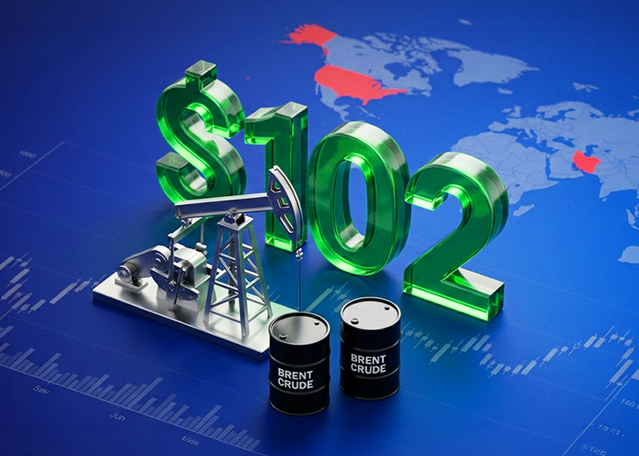
Today Fundamental Analysis: Oil Breaks Above $102 as Middle East Tensions Continue to Escalate

Today Technical Analysis: Copper Approaches Record Highs on Surging Demand

Dollar struggles to gain ahead of US inflation data, yen extends rally
EBC Markets Briefing | Crude prices on solid footing amid deep supply concerns

The yen is strengthening before our very eyes

The Inflation Measure Keeping the Fed Cautious

US Yields Rise Despite Buybacks; Eyes on ECB Hike