





Central Bank Marathon: Analyzing Monetary Policy Amid Energy Sector Dynamics

This week, global market attention is centered on the policy meetings of three major monetary authorities: the Federal Reserve (The Fed), the European Central Bank (ECB), and the Bank of Japan (BoJ). These meetings are projected to provide a clearer outlook on the direction of global capital flows for the coming period.
Inflation Dynamics and the Energy Factor
Following a downward trend in inflation over the past two years, new challenges have emerged from the energy sector due to geopolitical tensions in the Strait of Hormuz. As a vital transit route for approximately 20% of the world's oil supply, disruptions in this region have contributed to a 10–15% increase in crude oil prices within just a few weeks. Historically, surges in energy inflation can impact long-term inflation expectations and influence central bank decision-making.
Analysis of the Three Major Monetary Authorities
Each central bank currently faces distinct economic conditions:
United States (The Fed): Data indicates that U.S. annual inflation rose to 3.3% in March 2026. This persistent (sticky) inflation may prompt the Fed to maintain a restrictive (hawkish) stance for a longer duration to curb price growth, despite potential risks to broader economic expansion. 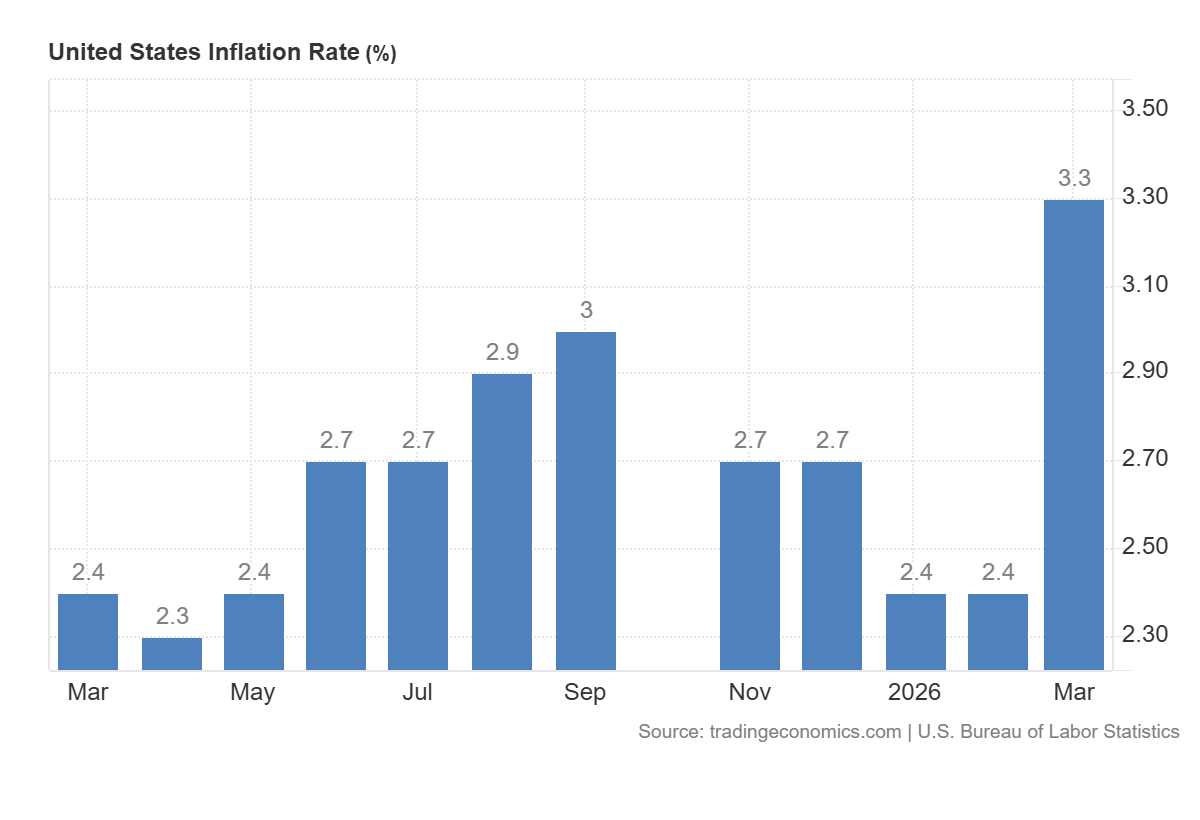
Eurozone (ECB): The Eurozone's annual inflation rate was revised upward to 2.6% in March 2026. Amid economic stagnation, the ECB is positioned to balance the necessity of inflation control with the objective of avoiding deeper economic contraction. 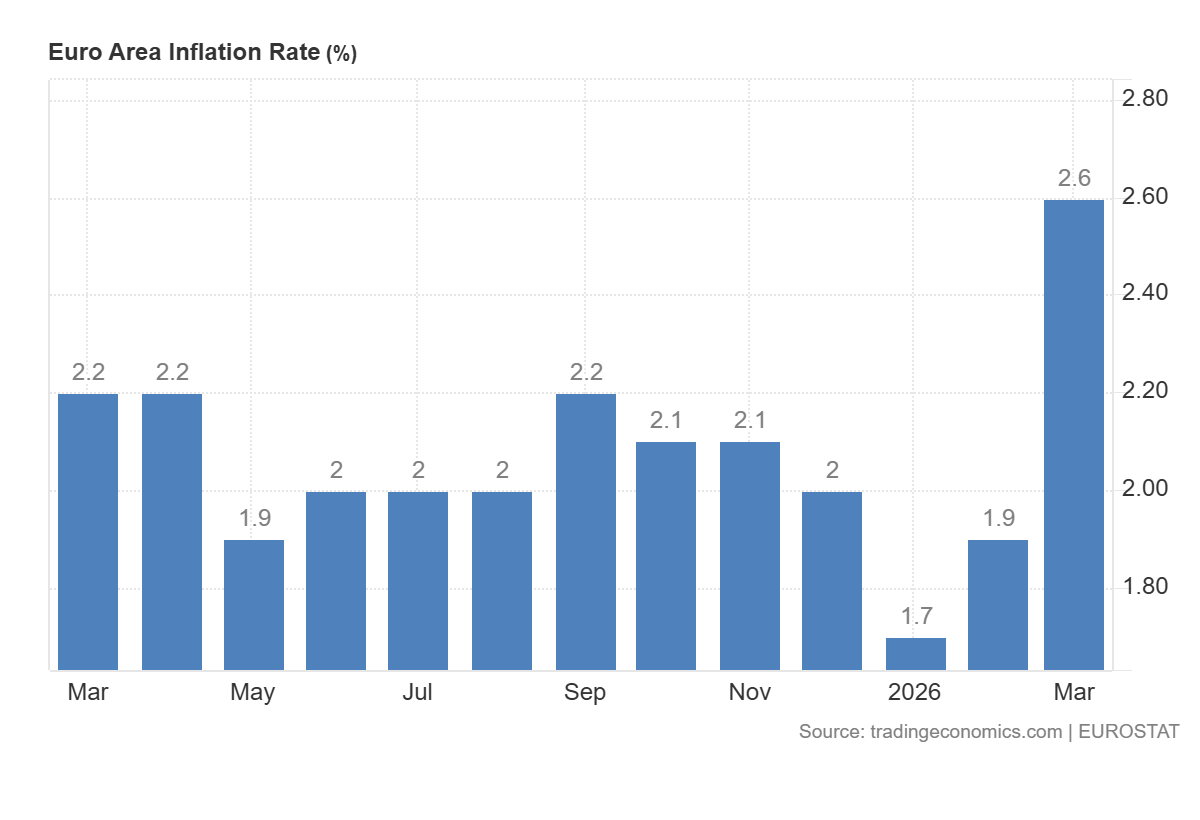
Japan (BoJ): Diverging from global trends, Japan's inflation stabilized at 1.5% in March 2026. This stability may provide room for the BoJ to consider policy normalization, moving away from the era of ultra-low interest rates, particularly if energy prices continue to exert upward pressure. 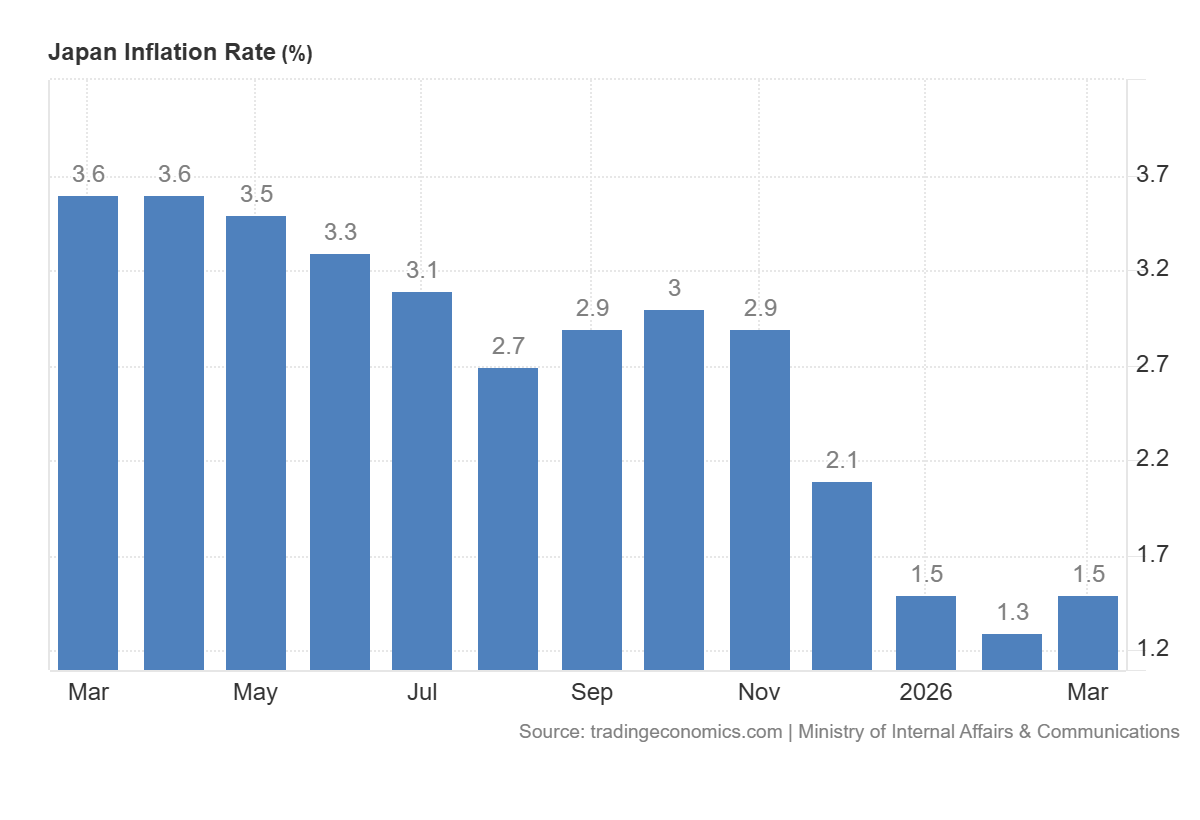
Market Scenario Projections
Market participants generally monitor two primary scenarios in these conditions:
- Hawkish Scenario (Tight Policy): Should price stability be prioritized, sustained high interest rates tend to support the US Dollar and bond yields. However, this environment has historically limited the growth potential for risk assets.
- Dovish Scenario (Loose Policy): If the rise in energy prices is deemed transitory, central banks may adhere to planned policy easing. Historically, such a shift can support performance in equity markets and commodities like gold.
Conclusion
The primary focus for market participants this week lies in the forward guidance provided by central bank leadership. Official statements regarding inflation projections and geopolitical risk assessments will serve as key indicators for global portfolio adjustments.

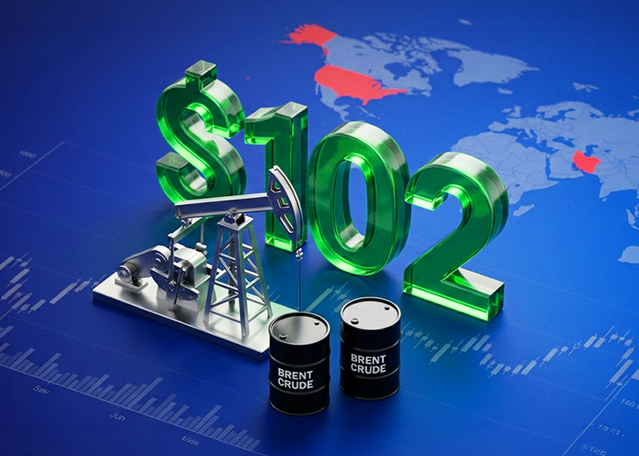
Today Fundamental Analysis: Oil Breaks Above $102 as Middle East Tensions Continue to Escalate

Today Technical Analysis: Copper Approaches Record Highs on Surging Demand

Dollar struggles to gain ahead of US inflation data, yen extends rally

EBC Markets Briefing | Crude prices on solid footing amid deep supply concerns

The yen is strengthening before our very eyes

The Inflation Measure Keeping the Fed Cautious

US Yields Rise Despite Buybacks; Eyes on ECB Hike