





EBC Markets Briefing | European equities set to navigate complex landscape

Macroeconomic risks were not fully priced into equity markets, according to BOE's senior leader Sarah Breeden. That is a rare move by a policymaker to be candid about expectations for capital markets.
"The thing that really keeps me awake at night is the likelihood of a number of risks crystallizing at the same time — a major macroeconomic shock, confidence in private credit goes, AI and other risky valuations readjust."
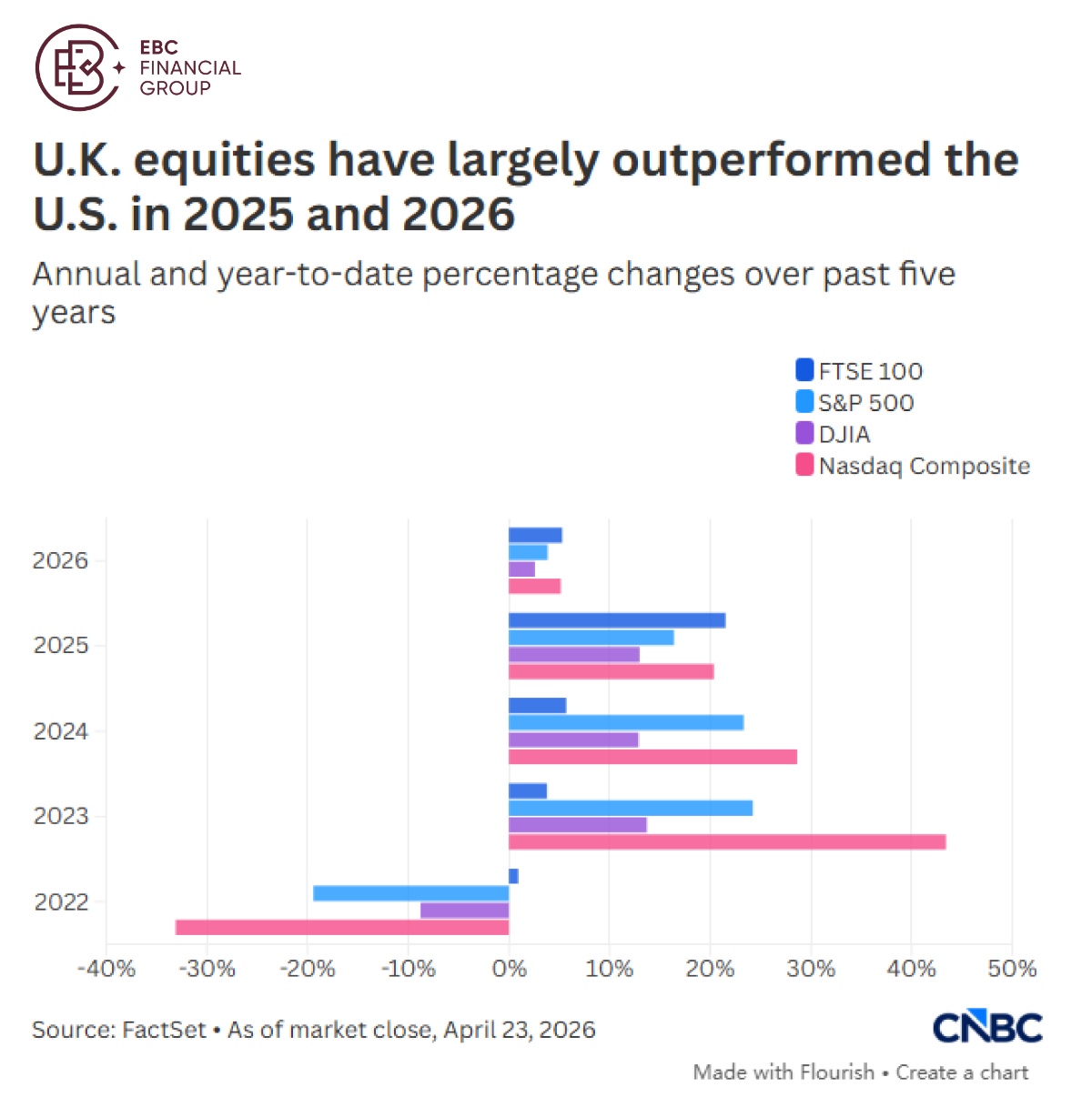
In 2025, the FTSE 100 surged 21.5%, outpacing all three of New York's biggest indexes. However, the London market has underperformed so far this year, partly due to the war in the Middle East.
The major headwinds include shallow pools of local capital, an exodus of companies frustrated with lackluster stock price momentum, few quoted tech firms and high listing costs.
In March, inflation rate jumped to 3.3% as fuel prices surged. The UK is a net energy importer that sources around 40% of its fuel from overseas, making it more vulnerable to blockade of the Strait of Hormuz.
Russ Mould, investment director at AJ Bell, agreed that the local market has several facets working in its favour, many of which "have been arguments against investing in it ... for much of the past decade."
Another ballast is lucrative cash returns offered by its constituents, he added. The payout is expected to represent 4.6% of the total market cap for 2026, compared to the 10-year gild yield of around 5%.
Windfall loss
German officials slashed its growth forecast for 2026 to 0.5% from 1%, while its 2027 forecast was cut from 1.3% to 0.9%. The DAX 40 remains in the negative territory, weighed down by carmakers.
Before the Iran war, Europe's biggest economy had been powered by rising industrial orders, dropping inventories, and improving sentiment, thanks mainly to fiscal spending on defence and infrastructure.
Things took a sharp turn in Q1. The Ifo Institute for Economic Research's latest business climate index dropped to 84.4 in April, the lowest level since May 2020, early in the Covid-19 pandemic.
Manufacturing sector could even contract for a 5th straight year if shipping disruptions persist, according to the BDI industry association, citing structural challenges such as high labour costs, tax and bureaucracy.
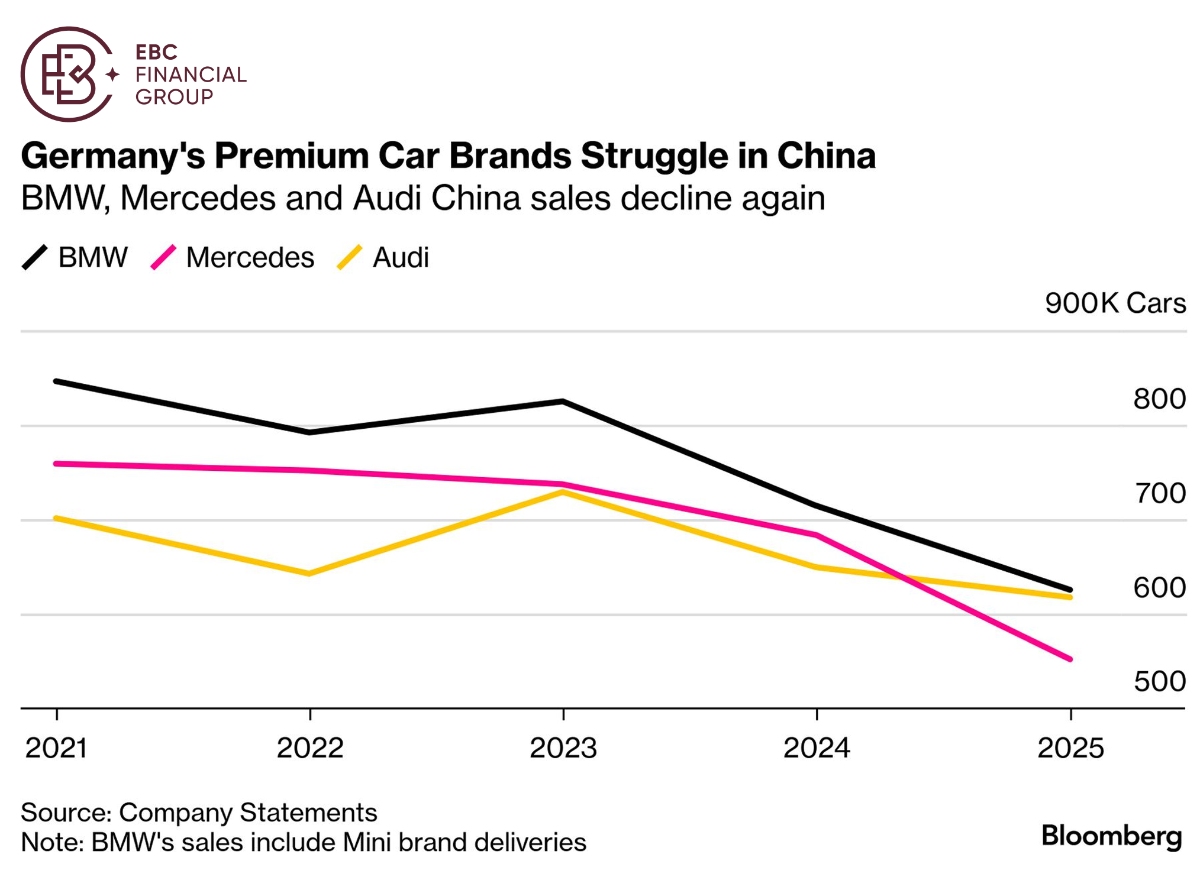
German car brands were already in a slump in the past few years. Collectively, their sales fell by a quarter over a five-year period to 3.9 million vehicles in 2025, according to S&P Global Mobility data.
Not only so, SAP, the previous largest component of the DAX, extended its steep declines from last year. JPMorgan downgraded SAP to Neutral from Overweight, citing slowing cloud backlog growth and a weaker near-term setup.
But those battered stocks are currently trading at a significant discount, which suggests limited downside room. Germany built a record number of EV last year; SAP's latest report showcased strong growth.
Arms race
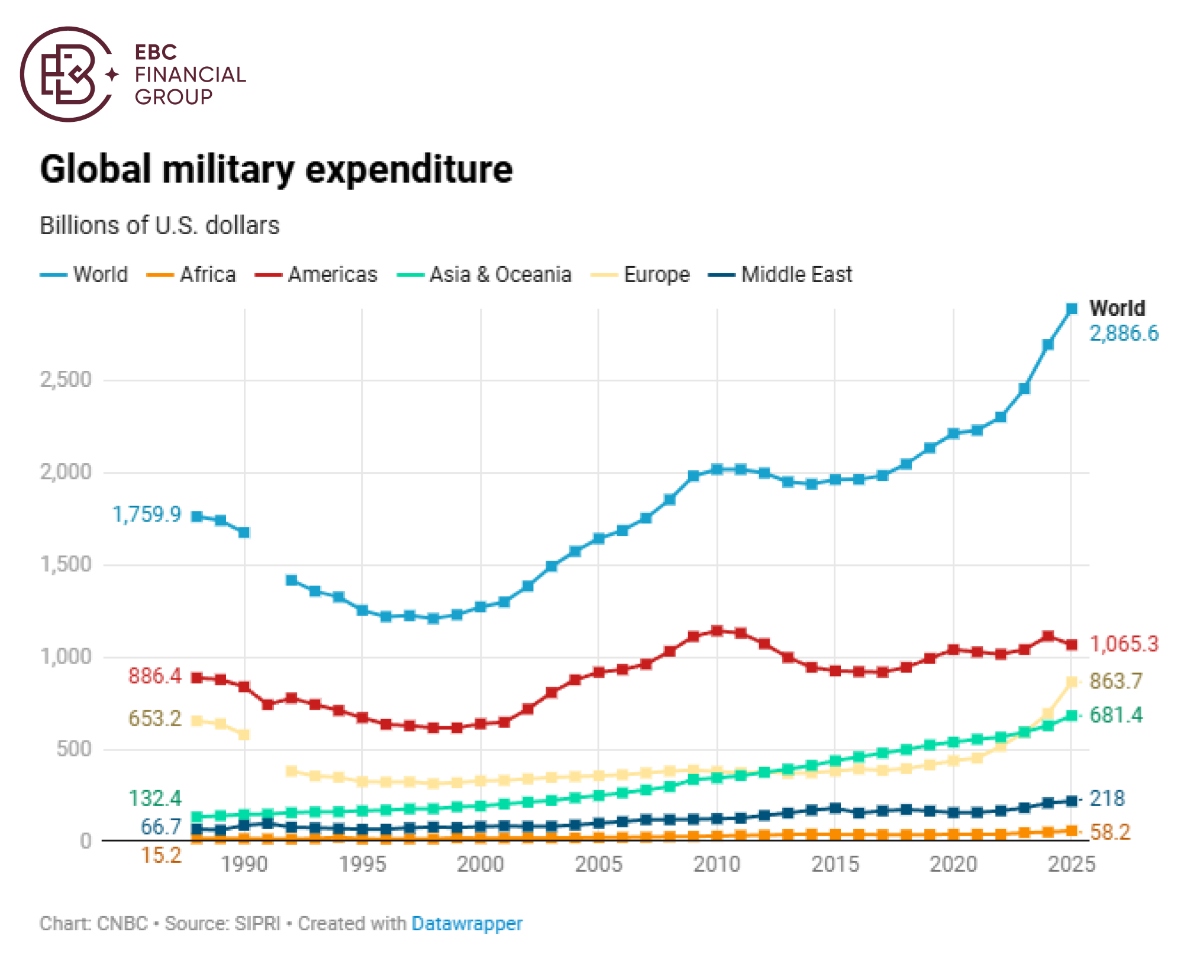
Global military spending as a share of GDP climbed to 2.5%, its highest level since 2009, in a world engulfed in conflict, according to a SIPRI report.
For years, investors had been wary of defence investments because of the industry's moderate growth and its perceived conflict with environmental, social and governance standards.
US-listed defence-focused ETFs reported net inflows of $4.8bn in the first quarter, up from $283mn a year earlier. The spending spree has also lifted the related stocks across Eurasia.
Europe's defense spending jumped 60 per cent between 2020 and 2025 as the continent stepped up its rearmament. Germany was the region's largest military spender, funded by its mammoth fiscal package rolled out in 2025.
Polish PM Tusk has recently stressed that the main challenge for NATO's eastern flank is ensuring both political and logistical readiness to respond to possible Russian aggression.
The fundamental shift in the region's politics works in Germany's favour particularly, e.g., Rheinmetall reported strong FY 2025 results with a record backlog, driven by 29% sales growth.
The stimulus is still on track and will still reach the economy, with energy costs partly offsetting the desired effects. As such the DAX's notable upward cycle is expected to resume, despite at a slower pace.


S&P 500 Slumps Toward 7,350 as AI Sell-Off Erases Post-Election Gains
Dollar Steady as Yen Gains Ahead of US Payrolls Report
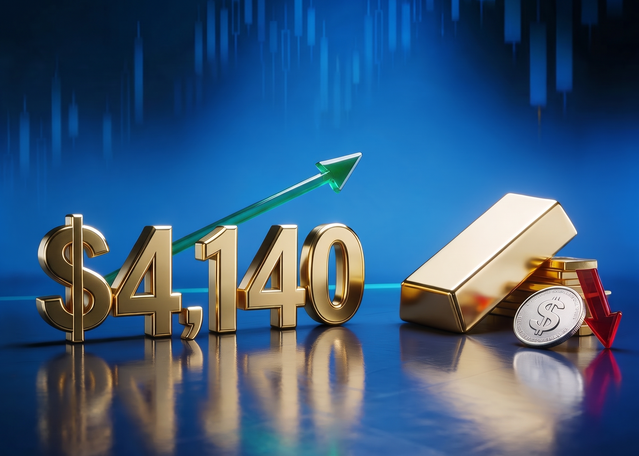
Daily Technical Analysis: Gold jumps 2% to trade above $4,140 as the dollar weakens

Daily Fundamental Analysis: Dow Jones surges 1,500 points following Democrats win in election

🇺🇸 US Midterm Elections: Political Gridlock Raises Fiscal and Debt Risks

Dollar extends election-related slide, stocks rebound
The euro has spread its wings