-1162026812.png)
-1162026812.png)





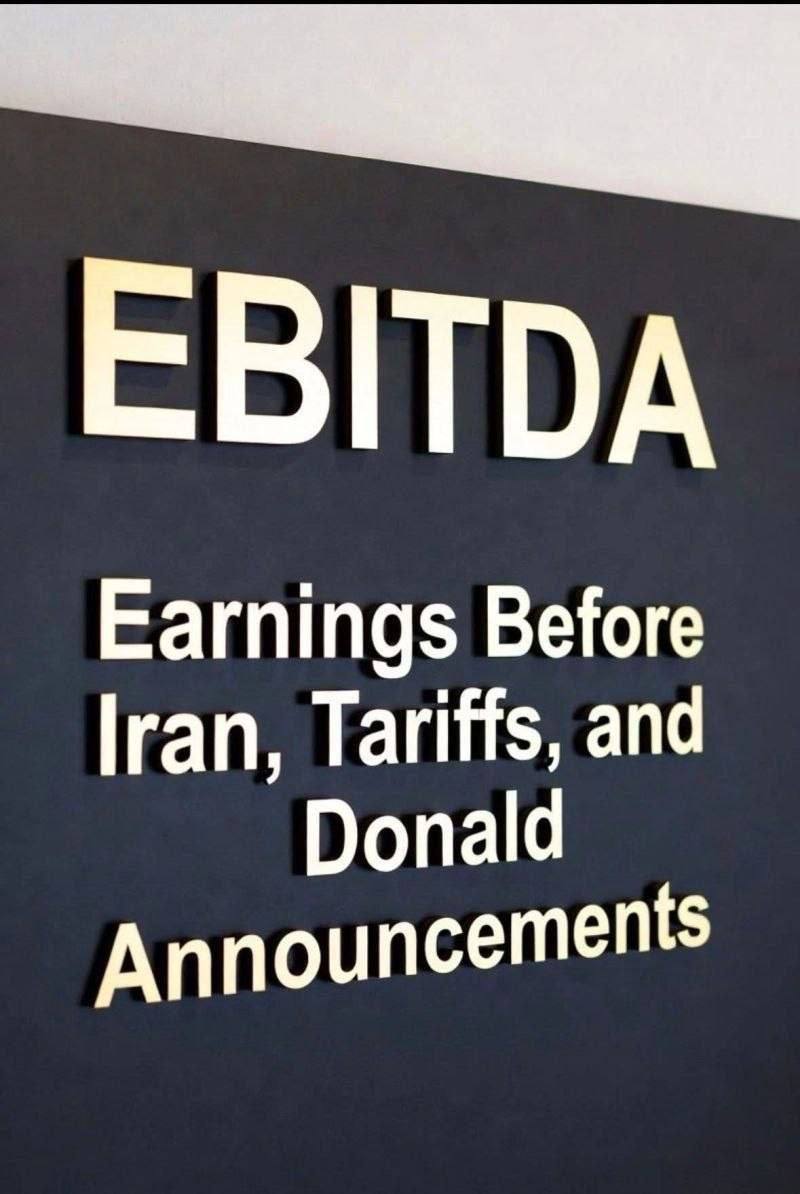
EBITDA Reimagined as Earnings Before Iran, Tariffs, and Donald Announcements

Many business owners are familiar with revenue, but have less clarity on what a business genuinely earns. That is where EBITDA comes in — a measure of profit before tax, interest, and depreciation, offering a clearer view of operational resilience and efficiency. Crucially, it is not the absolute figure that matters most, but its trajectory: a rising EBITDA suggests strengthening fundamentals, whilst a decline points to underlying issues.
Since the onset of the Gulf conflict, however, the term has taken on a more ironic interpretation within markets: “Earnings Before Iran, Tariffs, and Donald Announcements”. This reflects the current environment, where asset prices are increasingly influenced not by fundamentals alone, but by political developments, sanctions, and statements associated with Donald Trump.
This shift is hardly accidental. In recent months, markets have demonstrated that headlines are capable of repricing assets more rapidly than earnings releases or macroeconomic data. Oil, gold, and equity indices have moved in abrupt bursts, often characterized by gaps and sharp intraday swings. This has given rise to the perception that both fundamental and technical analysis have stepped back, giving a lead toward news-driven trading.
That said, it would be premature to suggest that technical analysis has lost its relevance altogether. It has not disappeared; rather, its influence has shifted in time. In the short term, markets are clearly reacting to headlines, but over longer horizons, technical levels, trends, and liquidity considerations tend to reassert themselves. The result is a hybrid structure: sharp, news-led moves followed by consolidation within a broader technical framework.
Looking ahead, this environment implies continued upside, albeit in a more uneven and volatile fashion:
S&P 500: 7,400–7,600 (+4-7%), NASDAQ 100: +6-10%, with elevated volatility
Markets have not become irrational; they have become more reactive. EBITDA remains relevant, but it now operates in an environment where headlines tend to set the direction, with fundamentals following thereafter.

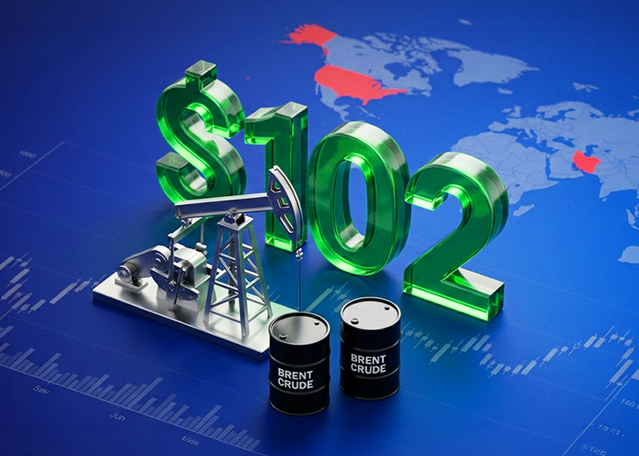
Today Fundamental Analysis: Oil Breaks Above $102 as Middle East Tensions Continue to Escalate

Today Technical Analysis: Copper Approaches Record Highs on Surging Demand

Dollar struggles to gain ahead of US inflation data, yen extends rally

EBC Markets Briefing | Crude prices on solid footing amid deep supply concerns

The yen is strengthening before our very eyes

The Inflation Measure Keeping the Fed Cautious

US Yields Rise Despite Buybacks; Eyes on ECB Hike